Key Points
- Extended Displacement: Over 400 tenants removed from The Filigree building in Lewisham Gateway will remain out of their apartments until October 2027.
- Incident Cause: A major burst water pipe in February 2025 submerged the central energy centre in the basement, knocking out primary water, heat, and power infrastructure.
- Short-Lived Occupancy: The development had been operational for only four months following its October 2024 opening before the severe flooding event forced an evacuation.
- Broken Timelines: Build-to-rent operator Get Living had initially indicated residents would return by October 2026, but published a revised schedule citing extensive repairs and structural drying requirements.
- Architectural Stigma: The Lewisham Gateway scheme previously attracted widespread scrutiny after winning the Carbuncle Cup for design flaws in its initial construction phase.
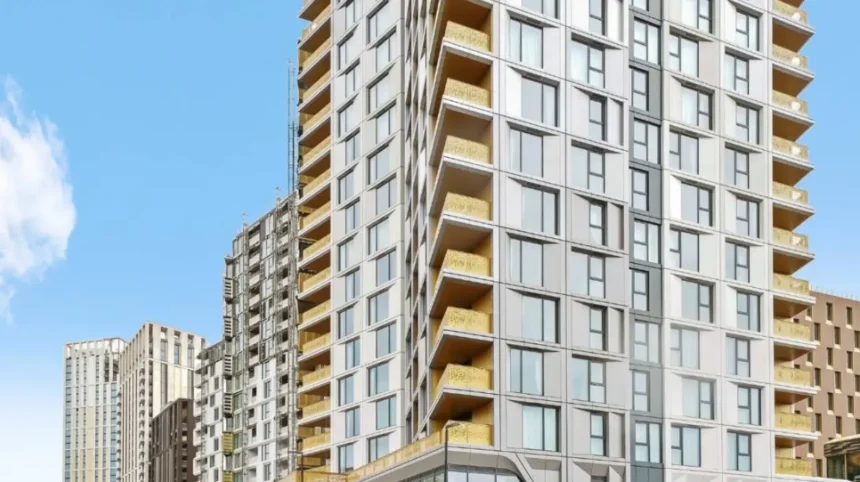
Lewisham (South London News) October 3, 2026 — Hundreds of residents who were evacuated from the Lewisham Gateway scheme following catastrophic infrastructure flooding face an additional 12-month delay before returning to their properties. Build-to-rent developer and operator Get Living confirmed via an updated statement on social media that tenants displaced from The Filigree building will remain in temporary accommodation until October 2027.
The prolonged delay follows a major pipe burst in February 2025 that inundated the basement of the development’s central energy facility. The system failure severed utility connections across the complex, forcing the relocation of more than 400 occupants just four months after the building welcomed its initial residents in October 2024.
Why Has the Return Date Been Delayed Until Next Year?
The revised timeline represents a significant departure from original remediation estimates. Get Living had previously informed leaseholders and tenants that reinstatement works were progressing towards a completion date of October 2026. However, ongoing structural engineering evaluations and technical assessments revealed that complex utility infrastructure required full replacement rather than localized repair.
Subterranean flooding caused widespread damage to critical power distribution grids, high-voltage plant equipment, and central water pumps housed within the energy centre. Specialist contractors working on site determined that complete drying of lower structural concrete, combined with the procurement and installation of heavy plant machinery, necessitated extending the reconstruction timeline.
How Have Developer Communications and Remediation Works Unfolded?
Get Living posted an update outlining the revised operational plan, acknowledging the extended timeline required to restore essential services to standard regulatory compliance. The developer indicated that affected residents will continue receiving alternative housing support and financial arrangements established during the initial emergency evacuation in early 2025.
Local council representatives and residential advocates have monitored progress closely since the incident occurred. Remediation teams have remained on site carrying out mechanical and electrical strip-outs to clear contaminated infrastructure from the subterranean compartments before high-capacity drying units and new utility modules can be permanently integrated.
Background of the Lewisham Gateway Development
The Lewisham Gateway project represents one of South London’s largest multi-phase regeneration schemes, designed to transform central town centre land surrounding Lewisham railway and DLR stations into high-density residential towers, commercial units, and public space. Phase two of the scheme, which includes The Filigree tower, was constructed to expand build-to-rent housing inventory within the borough.
The overarching development has attracted controversy since its inception. In 2018, the initial phase of Lewisham Gateway was awarded the Carbuncle Cup—an annual architectural prize designated for the UK’s worst new building design—after judges criticized its visual impact, massing, and architectural execution within the local urban landscape. Despite design critiques, phase two proceeded to expand residential capacity, bringing hundreds of new units to the rental market prior to the utility failure in early 2025.
Explore More Lewisham News
Over 800 Deptford Creek Homes Refused in Lewisham 2026
Lewisham Pub Faces Licence Refusal Over Counterfeit Goods Lower Sydenham 2026
Prediction: How Will This Development Affect Local Renters, the Developer, and the Lewisham Housing Market?
The announcement of a two-year total displacement period carries direct structural consequences for multiple stakeholders across the Lewisham residential landscape:
Displaced Tenants and Rental Stability
For the 400 affected residents, the extended timeframe prolongs temporary housing arrangements, impacting personal stability and long-term lease continuity. Renters who relied on proximity to Lewisham’s transit hubs face sustained logistical disruptions, while prolonged occupancy in temporary quarters limits housing security across the local rental market.
Operator Reputation and Operational Costs
Get Living faces ongoing financial and operational pressure. Providing long-term alternative accommodation for hundreds of households while funding complex structural remediation increases overall project liability. The prolonged closure of a newly constructed flagship phase may also impact consumer trust in build-to-rent operators and heighten tenant scrutiny regarding central infrastructure design in large-scale residential developments.
Local Housing Supply and Regional Infrastructure
The temporary loss of hundreds of build-to-rent units places additional pressure on South London’s tight rental market. The removal of available stock in a major transit hub like Lewisham consolidates demand on surrounding housing inventory, potentially influencing local rental pricing. Furthermore, the incident is likely to prompt stricter regulatory focus from local planning authorities regarding the placement and flood-proofing of critical energy and utility infrastructure in basement levels of multi-storey developments.