Key Points
- Fatal Incident: Raymond Hardinges, aged 53, died in hospital nearly four weeks after suffering stab wounds during an altercation in Southwark.
- Suspect Charged: Sean Riordan, 60, of Lucey Way, SE16, has been charged with murder following consultation with the Crown Prosecution Service.
- Bail Breach: Riordan was initially charged with causing grievous bodily harm with intent and granted court bail, but was re-arrested on the day of Hardinges’ death following an alleged breach of bail conditions.
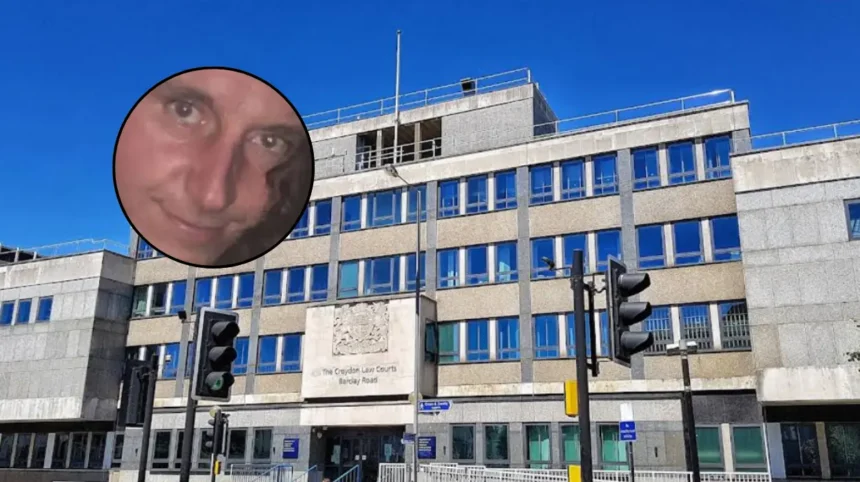
- Court Appearance: The defendant is due to appear before Croydon Magistrates’ Court on Friday, 9 October.
- Family Tribute: The family of Raymond Hardinges paid emotional tribute to a “bubbly, caring person” whose loss has left their hearts broken.
Southwark (South London News) October 9, 2026 – A 60-year-old man is scheduled to appear in court today charged with murder following the death of a man who was fatally injured during an altercation in Southwark.
Emergency services were initially called to an address in Lucey Way, SE16, at approximately 00:45 hrs on Sunday, 2 August. Metropolitan Police officers attended the scene following urgent reports of an ongoing altercation. Upon arrival, emergency responders discovered 53-year-old Raymond Hardinges suffering from serious stab wounds.
Paramedics from the London Ambulance Service attended to Mr Hardinges at the scene before transferring him to hospital for emergency medical intervention. Despite the continued efforts of medical professionals over subsequent weeks, Mr Hardinges succumbed to his injuries and died in hospital on Saturday, 29 August.
Who Has Been Charged and What Are the Legal Proceedings?
The suspect, identified as Sean Riordan, 60 (born 6 April 1966), residing at Lucey Way, SE16, was arrested by police officers at the scene on Sunday, 2 August.
Following his initial arrest, Mr Riordan was charged with causing grievous bodily harm (GBH) with intent. He subsequently appeared at Croydon Magistrates’ Court on Monday, 3 August, where he was granted court bail. Under the terms of his bail, Mr Riordan was scheduled to make his next court appearance at Inner London Crown Court on Tuesday, 1 September.
However, on Saturday, 29 August — the same day Mr Hardinges passed away in hospital — Mr Riordan was re-arrested by police officers following an alleged breach of his court bail conditions. He was subsequently remanded in custody.
Following the formal confirmation of Mr Hardinges’ death and extensive consultation with lawyers from the Crown Prosecution Service (CPS), homicide detectives re-assessed the charges against the accused. On Monday, 5 October, Mr Riordan was formally charged with murder. He is scheduled to appear before Croydon Magistrates’ Court on Friday, 9 October.
How Has the Family Paid Tribute to Raymond Hardinges?
Following the confirmation of the murder charge, the family of Raymond Hardinges issued a moving tribute honoring his memory while requesting privacy during their time of grief.
In a statement released through the Metropolitan Police, Raymond’s family stated:
“No family should ever have to experience the pain of losing a loved one in such tragic circumstances.
“We ask that Raymond is remembered for the bubbly, caring person he was and for the love, memories, and moments he shared with those closest to him.
“We will carry Raymond in our hearts every day. He will never be forgotten, and he will always be loved.
“Our family’s hearts are truly broken by this unimaginable loss and ask that our privacy is respected as we try to come to terms with what has happened.”
Background of the Development
The legal progression from a charge of grievous bodily harm with intent to murder reflects standard protocol within the Crown Prosecution Service when a victim dies from injuries sustained during an alleged assault. Under English criminal law, when an individual is subjected to physical violence and subsequently dies as a consequence of those injuries, prosecutors must review the evidence to determine whether the death was directly caused by the original assault.
In cases involving severe physical trauma, medical professionals and forensic pathologists conduct evaluations to determine the primary cause of death. When medical evidence establishes a causal connection between the initial injuries and the victim’s ultimate death, the prosecution upgrades the legal charges accordingly.
Furthermore, the enforcement of bail conditions represents a critical stage in pre-trial criminal procedure. When an individual accused of a violent offence is granted conditional bail by a Magistrates’ Court, strict parameters are set to ensure public safety and guarantee attendance at subsequent legal hearings. An alleged breach of bail conditions empowers law enforcement authorities to re-arrest the accused, leading to a judicial review where bail can be revoked and the defendant remanded into custody pending trial.
Prediction: How This Development Can Affect the Southwark Community and Stakeholders
The progression of this case to a formal murder charge and subsequent court proceedings is anticipated to have distinct effects across several key groups within the local area and the broader legal system:
- Local Residents and Community Members: News of a fatal stabbing and subsequent murder charge in a residential setting such as Lucey Way typically heightens concerns regarding neighbourhood security and public safety. Residents in Southwark may expect a heightened, visible police presence and increased community engagement from local Neighbourhood Policing Teams aimed at reassuring the public and addressing safety concerns.
- The Victim’s Family and Friends: As the legal case transitions from magistrates’ court appearances to formal proceedings, the family faces an extended judicial process. Formal court proceedings, evidence hearings, and potential trial dates will require ongoing interaction with Police Family Liaison Officers and court support services as they navigate their bereavement.
- Judicial and Law Enforcement Agencies: The formal charging decision places the case into the active judicial calendar of the Crown Court system. Detectives from the Metropolitan Police’s Specialist Crime Command will continue assembling evidence, forensic findings, and witness statements to prepare the prosecution bundle for the Crown Prosecution Service ahead of pre-trial hearings.