Key Points
- Profound Budget Shortfall: Lewisham Council faces a requirement to find £40 million in budget cuts over the next four years due to mounting financial pressures.
- Driven by Housing Subsidy Freeze: Central government subsidy caps for temporary accommodation have been frozen at 90% of the 2011 Local Housing Allowance (LHA) rates, failing to reflect 15 years of rent inflation.
- Massive Annual Gap: The difference between actual local rent costs and the frozen government reimbursement gap cost Lewisham Council £24 million in the last year alone.
- Political Shift: The Green Party took control of Lewisham Council in May, running on a platform aimed at fixing local housing, supporting renters, and preventing homelessness.
- Direct Call to Government: Lewisham Councillor Natalie Thomas is urging central government to unfreeze the Local Housing Allowance reimbursement rates at the upcoming budget to avert severe reductions in essential local services.
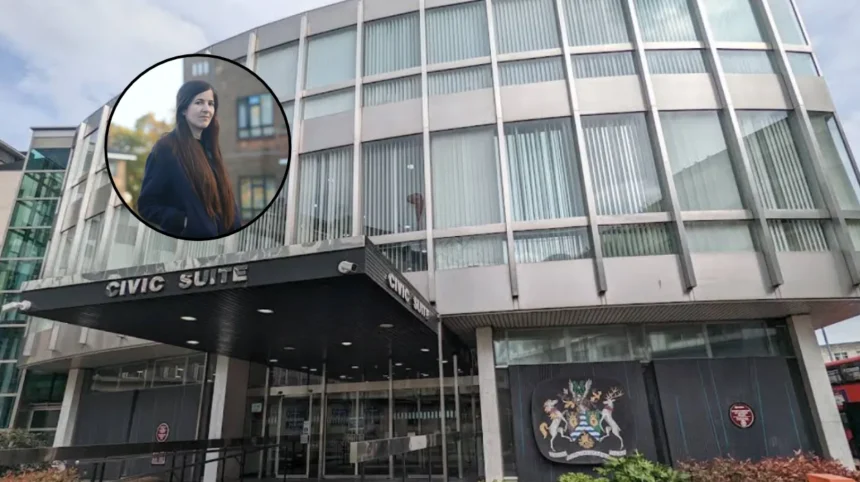
Lewisham (South London News) October 22, 2026 — As stated by Councillor Natalie Thomas of The Big Issue, Lewisham Council has been forced into negotiations to identify £40 million in service cuts over the next four years, driven primarily by central government policy on temporary accommodation funding. Following the local elections in May, where voters elected a majority Green council for the first time in the borough’s history, the administration took office on a platform focused on defending renters’ rights, improving council-owned housing stock, and preventing vulnerable families from entering the temporary housing pipeline.
- Key Points
- Why Has the Local Housing Allowance Subsidy Freeze Created a Deficit for Local Authorities?
- How Does the 2011 Local Housing Allowance Rate Cap Function?
- What Impact Does the Housing Shortfall Have on Lewisham’s Service Delivery?
- Background of the Development
- Prediction: How Will This Development Affect Local Residents and Municipal Services?
However, five months after taking office, cabinet members met to address a severe budget deficit caused by structural shortfalls in central government reimbursement mechanisms. When local authorities place homeless families into temporary accommodation, central government housing benefit subsidy rules dictate that councils are reimbursed at a rate capped at 90% of the Local Housing Allowance (LHA) standard established in January 2011. While private sector rents across London have increased by more than 50% over the last decade, the subsidy baseline has remained fixed for 15 years.
Under current statutory obligations, local authorities are legally required to fund the difference between the actual cost of securing temporary housing and the frozen 2011 central government rebate. As highlighted by Councillor Natalie Thomas of The Big Issue, this funding gap cost Lewisham Council £24 million over the course of the last financial year. Across a four-year forecast, this single expenditure gap exceeds the total £40 million in savings the council is currently required to execute, placing local public services under significant pressure.
Why Has the Local Housing Allowance Subsidy Freeze Created a Deficit for Local Authorities?
How Does the 2011 Local Housing Allowance Rate Cap Function?
The Local Housing Allowance framework sets the maximum subsidy amount local authorities can recover from central government when assisting individuals eligible for housing support. Under rules established in 2011, the subsidy cap for emergency and temporary accommodation was tied to 90% of the LHA rate applicable at that specific time.
Because private rent values in urban areas—particularly across Greater London—have surged significantly over the intervening 15 years, the actual price paid by local councils to secure short-term leases from private landlords far exceeds the permissible reimbursement limit. The remaining shortfall cannot be passed on to homeless residents, leaving municipal budgets to absorb the entire remaining liability.
What Impact Does the Housing Shortfall Have on Lewisham’s Service Delivery?
Because local authorities are bound by statutory requirements to manage balancing budgets and fulfill mandatory social care and housing safety duties, unfunded costs must be absorbed by non-statutory or discretionary services. In Lewisham, the accumulated deficit generated by housing support overspend has forced elected officials to consider reductions across wider council operations to offset the £24 million annual gap.
As outlined by Councillor Natalie Thomas of The Big Issue, if the central government subsidy rate were updated to align with contemporary rental market values, the local authority would not be forced to consider substantial cuts to its public services over the four-year financial planning cycle.
Background of the Development
The crisis surrounding temporary accommodation costs across English local government stems from a structural shift in housing policy and broader economic pressures affecting the private rented sector. The Local Housing Allowance rate cap was introduced as part of wider fiscal consolidation measures following the 2008 financial crisis, fixing the maximum eligible subsidy payable to local authorities for temporary housing provision at 90% of the January 2011 rate.
Over the subsequent decade and a half, structural housing shortages in London and major urban centres driven by rising land values, reduced construction rates, and expanding demand contributed to significant rent inflation. Consequently, the gap between market rents and statutory subsidy limits widened continuously.
To manage statutory obligations under the Homelessness Reduction Act, local authorities across London increasingly relied on private sector leases, commercial bed-and-breakfast units, and night-to-night emergency placements. Because these temporary housing options command market rates, local councils faced escalating expenditure that could not be clawed back through central funding.
The political context in Lewisham changed in May, when local elections resulted in a Green Party administration replacing long-standing Labour control, with commitments to reform local housing management and mitigate homelessness. However, local policy changes remain subject to national fiscal arrangements, leaving municipal leaders constrained by macro-level funding mechanisms.
Prediction: How Will This Development Affect Local Residents and Municipal Services?
If central government does not adjust or unfreeze the Local Housing Allowance subsidy rates in upcoming budget announcements, the structural financial pressures on local authorities will directly alter the delivery of municipal services to residents across the borough.
1. Direct Impact on Local Public Services
To resolve the required £40 million structural deficit, Lewisham Council will have to enact targeted reductions across discretionary public services. Residents are likely to experience changes or cutbacks in areas such as:
- Youth services, community centres, and leisure facilities.
- Maintenance schedules for public spaces, parks, and local infrastructure.
- Voluntary sector grant allocations and discretionary community outreach funding.
2. Escalating Pressures on Low-Income Renters and Homeless Families
Without structural changes to housing subsidy funding, local councils will face increasing friction when securing temporary accommodation within borough boundaries. As a result:
- Vulnerable families entering emergency accommodation may face placements further away from their existing communities, schools, and employment networks due to cost constraints.
- The availability of long-term social housing options will remain constrained, increasing the duration that households spend in temporary living arrangements.
3. Broader Implications for Municipal Fiscal Stability
If housing expenditure continues to absorb a growing share of local council revenues, overall fiscal stability across municipal authorities will remain under severe strain. Continued unfunded expenditure could force an increasing number of local authorities across the country to issue Section 114 notices—effectively declaring technical insolvency—requiring emergency central intervention and enforcing mandatory cutbacks across nearly all non-statutory operations.