Key Points
- Incident location and timing: A fallen tree blocked the railway line at Ladywell shortly after 2:00 pm on 23 October.
- Network impacts: Services running between London Bridge and Hayes in Kent experienced cancellations, route revisions, and delays of up to 50 minutes.
- On-site response: Network Rail and emergency response teams were dispatched to clear the obstruction and assess infrastructure damage.
- Alternative travel options: Ticket acceptance was arranged on London Buses operating between Lewisham and Hayes to support affected passengers.
- Passenger advice: Commuters were instructed to check real-time journey planners and submit claims for delay compensation where eligible.
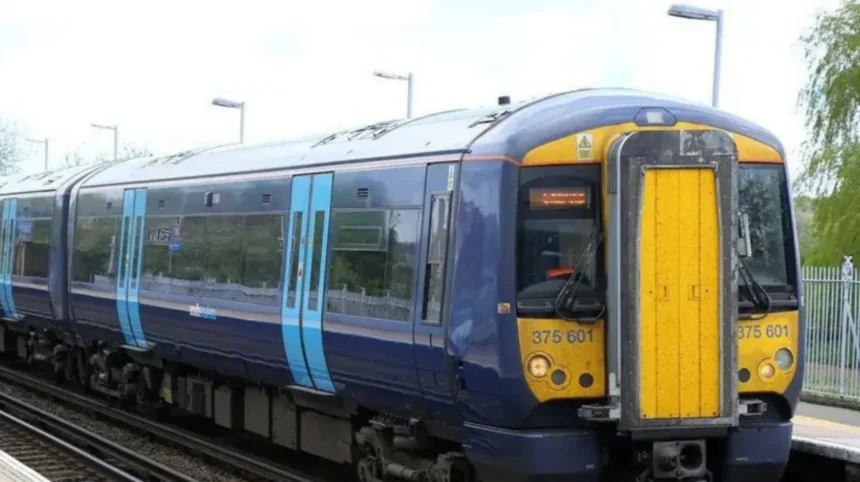
Lewisham (South London News) October 24, 2026 — As reported by Samuel Turner of News Shopper, a fallen tree blocked the line at Ladywell shortly after 2:00 pm on October 23, halting rail movement along the line connecting London Bridge and Hayes in Kent.
In an official statement cited by Turner, a Southeastern spokesperson stated:
“We’ve received a report of a tree blocking the railway at Ladywell. Response staff are on site to remove the tree but the line is currently blocked. Please allow extra time to complete your journey and check before you travel.”
Response teams were deployed directly to the Lewisham site to clear the tree from the tracks and perform safety inspections on line infrastructure before normal operations could resume.
What ticketing arrangements and alternative travel options were provided to passengers?
To assist stranded commuters, Southeastern arranged mutual ticket acceptance on London Underground and local surface transport. As noted by Samuel Turner of News Shopper, passengers were permitted to use London Buses between Hayes and Lewisham at no extra cost to complete their journeys.
Passengers were directed to consult National Rail’s real-time Journey Planner for operational updates. Southeastern also confirmed that commuters delayed during the disruption would be eligible to submit claims for compensation using their ticket details.
Background of Rail Disruption at Ladywell and South East London Infrastructure
Ladywell station sits along the Mid-Kent line, serving as a key suburban commuter route connecting central London stations such as London Bridge and Cannon Street with residential areas in south-east London and Kent.
Vegetation management along heavily wooded railway corridors remains an ongoing operational requirement for Network Rail across suburban London routes. During autumn months, soil instability and seasonal weather conditions increase the risk of fallen trees and debris impacting track lines, signalling systems, and power supplies.
What does this disruption mean for south-east London commuters and regional rail operations?
Unexpected line blockages along key routes like the Mid-Kent line directly affect thousands of daily commuters traveling into central London, leading to severe crowding at major interchange stations such as Lewisham and London Bridge.
For regional rail operators and Network Rail, recurring incidents during seasonal weather transitions are likely to result in increased focus on line-side vegetation maintenance, proactive tree inspections, and infrastructure risk management across suburban routes in south-east London.