Key Points
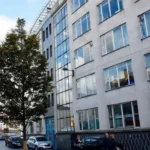
- Over 100 Formal Objections Filed: Residents living in Cortland House, situated on Apple Yard near Anerley station, have submitted overwhelming opposition to new development plans.
- Proposal Details: The planning application seeks permission to erect eight new apartments by adding an additional floor on top of the existing block of flats.
- Resurfaced Controversy: This current application represents a return of proposals that were previously refused planning permission four years ago.
- Resident Backlash: Occupants have publicly branded the project a “greed exercise,” raising concerns regarding structural impact, residential amenity, and local infrastructure strain.
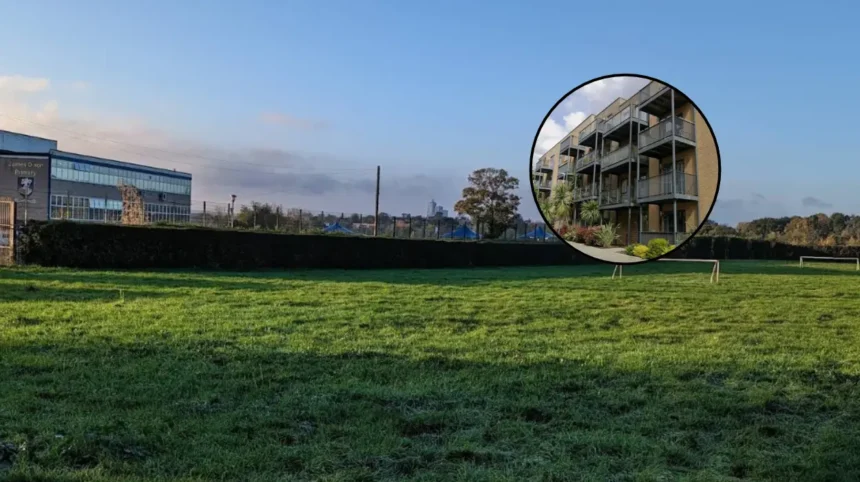
South London (South London News) October 29, 2026 — Residents of a residential block in Anerley, South London, have united in strong opposition against fresh planning proposals to build an additional storey on top of their home, characterising the scheme as a “greed exercise” that prioritises developer profit over community welfare.
The application, which requests permission to construct eight brand-new apartments above Cortland House on Apple Yard, located adjacent to Anerley railway station, has amassed more than 100 formal objections. A significant proportion of these submissions stem directly from individuals currently residing inside the affected building. The scheme comes four years after a highly similar application to extend the structure upwards was formally turned down by local planning authorities.
Why Are Cortland House Residents Opposing the Proposed Eight-Flat Extension?
The proposal to extend Cortland House vertically has sparked widespread frustration across the immediate community in Anerley. Leaseholders and tenants occupying the existing flats report that adding eight new dwellings atop the current roof structure poses serious risks to their day-to-day living conditions, safety, and visual environment.
According to formal statements submitted to the local authority’s planning portal, residents have highlighted multiple points of contention:
- Structural Integrity and Safety Concerns: Occupants expressed concern over whether the existing foundations and load-bearing framework of Cortland House can sustain a full additional floor of eight residential units without compromising safety.
- Disruption During Construction: The prospective build would require extensive building works directly above inhabited flats, leading to heavy machinery noise, dust, potential water ingress during construction, and severe invasion of privacy.
- Overdevelopment and Strain on Amenities: Objectors argue that adding eight extra households to the site will worsen existing congestion, place pressure on local parking availability near Apple Yard, and stretch local infrastructure.
- Loss of Natural Light: Neighboring properties and current top-floor residents have voiced fears regarding overshadowed windows, reduction of natural daylight, and loss of private views.
Residents have collectively labelled the developer’s renewed bid as a “greed exercise,” arguing that the primary motivation behind the submission is commercial gain at the expense of current occupiers’ quality of life and peace of mind.
What Led to the Refusal of Previous Planning Permission Four Years Ago?
The current conflict is not the first time Cortland House has been subject to upwards expansion efforts. Four years prior to this latest submission, a similar planning application to erect extra housing units on the roof of the property was considered and ultimately rejected by the local planning authority.
During the previous planning cycle, council planners refused permission after evaluating factors including:
- The visual impact of adding structural height to the existing building within the local streetscape.
- The potential degradation of living conditions for current residents of Cortland House.
- Technical constraints surrounding access, waste storage, and parking provisions around Apple Yard and Anerley station.
Despite that initial refusal, changes in national planning policies regarding upward extensions—specifically Permitted Development Rights (PDR) allowing vertical additions on certain residential blocks—have encouraged developers across London to revisit previously rejected sites. Nevertheless, local objectors maintain that the core physical and environmental arguments that led to the original rejection remain entirely valid today.
Background of the Development
The practice of adding extra storeys to existing residential blocks—often referred to as airspace development or rooftop development—has expanded significantly across Greater London over the past decade. Local authorities and government ministers have frequently promoted airspace construction as a key strategy to deliver much-needed urban housing without consuming greenfield sites or requiring the demolition of existing structures.
Cortland House, situated on Apple Yard near Anerley station in the London Borough of Bromley, is typical of mid-rise suburban block developments built to accommodate rising demand for transport-adjacent housing. Because of its proximity to main line rail services at Anerley, the site presents high commercial value for residential infill and vertical expansion.
However, airspace developments frequently encounter severe opposition from existing leaseholders. Under standard UK property law, freeholders or third-party developers who own or acquire the airspace above a building may apply for planning consent to build upwards. Leaseholders living underneath frequently face years of disruption, structural alterations to shared communal areas, complex legal debates over service charges, and potential devaluation of their properties during construction phases. The four-year gap between the initial refusal and this current application highlights the ongoing tension between London’s regional housing targets and the rights of existing residential communities.
Prediction: How This Development Can Affect Cortland House Residents and the Broader Community
Should the planning application for the eight additional apartments at Cortland House receive approval, the decision will directly impact several key stakeholder groups across the Anerley area:
Impact on Current Cortland House Residents
- Immediate Lifestyle Disruption: Existing residents will face extended periods of noise, dust, and security vulnerabilities associated with complex roof-level construction directly above their living spaces.
- Financial and Property Values: While upgraded building insulation or communal area refurbishments are sometimes delivered alongside airspace projects, top-floor leaseholders risk temporary property devaluation, potential delays in selling, and heightened service charge disputes.
- Loss of Privacy and Daylight: Occupants below and immediately adjacent will experience permanent reductions in privacy and daylight due to the increased height and massing of the building.
Impact on the Immediate Anerley Neighborhood
- Increased Parking and Traffic Density: The influx of eight additional households in close proximity to Anerley station will heighten demand for local street parking and increase vehicular movements along Apple Yard.
- Precedent for Surrounding Buildings: If approved despite over 100 formal objections, this decision could set a local planning precedent across Anerley and the broader borough, encouraging developers to submit similar upward-extension applications on other mid-rise residential blocks.
Impact if the Application is Refused
- Reaffirmation of Local Resident Rights: A second refusal would signal that local planning authorities continue to prioritize existing residential amenity and structural suitability over high-density airspace infill schemes.
- Legal and Regulatory Next Steps: The developer may choose to take the decision to appeal via the Planning Inspectorate, potentially leading to a prolonged legal process for residents seeking to protect their homes.