Key Points
- Plans to transform the childhood home of David Bowie at 4 Plaistow Grove in Sundridge Park, Bromley, into a museum have been officially withdrawn.
- The Heritage of London Trust (HOLT) proposed restoring the property and constructing a dedicated visitor centre within the garden space.
- The project was anticipated to draw approximately 20,000 visitors annually to the residential area in south-east London.
- Local neighbours submitted formal objections citing heightened noise levels, potential parking congestion, loss of privacy, and security risks.
- The trust has withdrawn the planning application to reassess community feedback and review project scope.
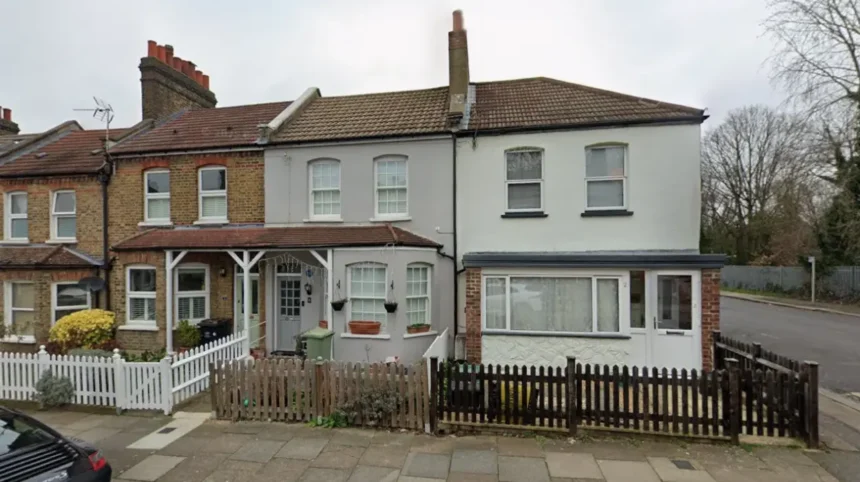
Bromley (South London News) October 30, 2026 – The Heritage of London Trust has formally withdrawn its planning proposal to convert the former childhood residence of rock icon David Bowie into a permanent museum. The site, located at 4 Plaistow Grove in Sundridge Park, Bromley, was scheduled for comprehensive restoration alongside the construction of a custom visitor centre situated in the rear garden. The proposal faced immediate resistance from local residents, who expressed serious reservations regarding the volume of traffic, noise pollution, and residential disturbance expected from the estimated 20,000 annual visitors.
- Key Points
- Why Were the David Bowie Childhood Home Museum Plans Withdrawn?
- What Was Proposed for the 4 Plaistow Grove Site in Bromley?
- How Have Local Residents and Community Groups Reacted to the Withdrawal?
- Background of the Particular Development
- Predictions: How Will This Development Affect the Local Community and Cultural Heritage Sector?
As reported by media correspondents monitoring local authority planning portals, representatives from the Heritage of London Trust confirmed that the application was removed from consideration following extensive consultation with surrounding property owners. The trust stated that the decision was taken to address the specific anxieties raised by the community while evaluating alternative avenues for celebrating the musician’s local heritage.
Why Were the David Bowie Childhood Home Museum Plans Withdrawn?
The planning application for 4 Plaistow Grove was pulled following sustained opposition from surrounding homeowners in the Sundridge Park neighbourhood. Residents lodged formal complaints with the local authority detailing specific infrastructural and environmental impact concerns.
As reported by local environment and planning reporters covering Bromley Council proceedings, residents argued that the narrow residential streets around Plaistow Grove could not safely accommodate the anticipated volume of 20,000 visitors every year. Objections highlighted potential traffic gridlock, an inadequate supply of on-street parking spaces, increased ambient noise, and potential security vulnerabilities stemming from steady foot traffic outside private residences.
In response to the growing pushback, the Heritage of London Trust confirmed it had elected to step back from the current planning process to conduct further assessments and consult with the community before determining the project’s future viability.
What Was Proposed for the 4 Plaistow Grove Site in Bromley?
The project envisaged a full structural restoration of the late musician’s early childhood home to preserve its mid-20th-century architectural character. The Heritage of London Trust designed the scheme to include a newly constructed visitor centre positioned within the garden plot of the property.
As reported by heritage and architectural writers reviewing the submitted planning documents, the project was intended to serve as a cultural landmark celebrating David Bowie’s formative years spent in south-east London. The proposed facility was engineered to manage controlled group tours, historical exhibitions, and educational outreach initiatives focused on the artist’s early life and musical development.
How Have Local Residents and Community Groups Reacted to the Withdrawal?
Reactions across the Sundridge Park vicinity remain divided between relief over the immediate preservation of local street conditions and disappointment from cultural preservation advocates. Homeowners residing adjacent to the property voiced satisfaction with the trust’s choice to halt proceedings, maintaining that commercial museum operations are incompatible with a quiet suburban cul-de-sac.
As reported by community journalists recording public feedback, several local residents noted that while they hold deep respect for David Bowie’s artistic legacy, the physical infrastructure of Plaistow Grove remains entirely residential. Conversely, local history enthusiasts expressed hope that an alternative solution could eventually be reached to ensure the site’s cultural legacy is not lost entirely to private development.
Background of the Particular Development
David Bowie, born David Robert Jones in Brixton in 1947, moved with his family to 4 Plaistow Grove in Bromley during the early 1950s. He resided at the address during crucial formative years, attending nearby local schools before launching his music career in London during the mid-1960s. The semi-detached property holds notable historical significance among fans and historians as the location where Bowie developed his early interest in music, art, and performance.
The Heritage of London Trust, an independent charity dedicated to rescuing and restoring historical sites across Greater London, identified 4 Plaistow Grove as a critical landmark of modern cultural history. The trust sought to secure the building’s future through public access and curation, leading to the public submission of the now-withdrawn planning application to Bromley Council.
Predictions: How Will This Development Affect the Local Community and Cultural Heritage Sector?
The withdrawal of the planning application at 4 Plaistow Grove directly impacts several distinct stakeholder groups, shaping local property dynamics and broader cultural preservation efforts across suburban London.
Impact on Local Residents and Property Owners
For the immediate residents of Sundridge Park and Plaistow Grove, the withdrawal delivers an immediate mitigation of anticipated logistical strain. Homeowners will not face the immediate onset of construction work, heavy vehicle movement, or the daily influx of tour buses and independent visitors. Street parking capacity and residential privacy will remain at their existing baselines. However, the property itself remains a focal point for informal Bowie enthusiasts, meaning unofficial street visits and photo-taking by individual fans will likely continue without structured traffic management or security oversight.
Impact on Cultural Heritage Trusts and Planning Policy
For heritage organisations such as the Heritage of London Trust, this setback highlights the increasing complexity of establishing public cultural hubs within private suburban environments. Future proposals involving high-profile historical figures in residential areas will face strict scrutiny regarding traffic management, noise mitigation, and community integration. The trust may need to explore alternative frameworks, such as scaled-down appointment-only access models, virtual exhibitions, or off-site commemorative plaques, to honour David Bowie’s legacy without altering the residential character of the neighbourhood.