Key Points
- Executive Mayor Jason Perry announced an ambition to transform Croydon into a premier destination for nightlife, restaurants, hotels, conferences, and exhibitions by 2040.
- Mr Perry outlined the vision during the Invest in Croydon Conference on Thursday, November 12, 2026, calling on ministers to fund the long-delayed Croydon Area Remodelling Scheme (CARS).
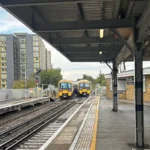
- The rail upgrade targets the area around East Croydon station, which Network Rail identifies as Britain’s busiest rail bottleneck.
- Gatwick Airport Chief Executive Pierre-Hugues Schmit joined Mayor Perry in writing to the Chancellor, urging government backing to support the airport’s multi-billion-pound Northern Runway expansion.
- Supporters estimate that unblocking the Brighton Main Line could unlock approximately £5.1 billion in economic value for Croydon over 20 years and improve access to major regional projects, including the London Cancer Hub in Sutton and the upcoming Universal United Kingdom theme park in Bedfordshire.
- The Brighton Main Line is projected to reach full capacity by 2030, with East Croydon currently handling more daily trains than all intercity operators serving Euston, King’s Cross, and St Pancras combined.
- Transport Minister Simon Lightwood previously confirmed that the prior government paused CARS in 2022 without notifying stakeholders, though the Prime Minister pledged in September 2026 to get the scheme “back on track”.
Croydon (South London News) November 16, 2026 – Croydon could become one of the best places in southern England for a night out within the next 15 years, the borough’s mayor has claimed, as he renewed calls for ministers to fix one of the country’s worst rail bottlenecks.
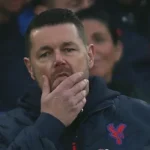
Executive Mayor Jason Perry set out an ambitious vision for Croydon’s future at the Invest in Croydon conference, saying he wants the borough to become a major hub for conferences, exhibitions, restaurants and nightlife by 2040. However, he warned that the transformation depends on government backing for the long-delayed Croydon Area Remodelling Scheme, which aims to ease congestion around East Croydon station on what Network Rail describes as Britain’s busiest rail bottleneck.
What is Mayor Jason Perry’s 2040 vision for Croydon?
As reported by Harrison Galliven, Local Democracy Reporting Service (LDRS) reporter for The Standard and MyLondon, Executive Mayor Jason Perry addressed delegates at the Invest in Croydon Conference on Thursday, November 12, 2026, stating that infrastructure upgrades could help establish Croydon as “a destination in our own right”.
Outlining his long-term targets for the south London borough, Mr Perry stated:
“By 2040 I want Croydon to be known as the business events hub of the Thameslink corridor and one of the best places in the South of England for a night out.”
According to coverage by Harrison Galliven in The Standard, the mayor further described his desired economic environment, stating he envisions “a town where an international hotel operator can see its next investment and a local chef can see it as the location for their first restaurant. I want people to get off the train in Croydon, because there is history, heart and hustle here.”
Why does the borough’s hospitality and events sector depend on rail upgrades?
Mayor Perry emphasised that attracting private capital and increasing footfall requires reliable public transport connections. As reported by Harrison Galliven of The Standard, Mr Perry warned that the Brighton Main Line is projected to reach full capacity by 2030, and noted that East Croydon station currently handles more trains every day than all the intercity operators serving Euston, King’s Cross, and St Pancras stations combined.
Highlighting the wider regional impact of local rail congestion, Mr Perry stated:
“A delay at the junction can be felt from Brighton to Bedford.”
As quoted by Harrison Galliven in The Standard and corroborated by London Travel News, the mayor added:
“If people can’t count on getting to work, or businesses can’t count on customers and staff getting to them, we will miss out on growth. There is pressure on public spending and every project has to earn its place. We should weigh the cost of upgrading the railway against the cost to the country of allowing a bottleneck to hold back investment that is already coming.”
How is Gatwick Airport involved in the campaign to fix the East Croydon bottleneck?
The push to secure central government funding has drawn direct backing from the aviation sector. As reported by Harrison Galliven of MyLondon and detailed in an official Invest in Croydon news update, Mayor Jason Perry and London Gatwick Chief Executive Officer Pierre-Hugues Schmit sent a joint letter to the Chancellor calling on the Treasury to treat the East Croydon rail bottleneck as an urgent priority.
Gatwick Airport is preparing to expand its operations through its multi-billion-pound Northern Runway programme. Supporters of the rail upgrade argue that resolving congestion at East Croydon is essential to allow Croydon and the wider region to capitalise on Gatwick’s growth, potentially unlocking around £5.1 billion in economic value for Croydon over a 20-year period.
Which other major regional developments rely on the Thameslink corridor?
Beyond Croydon’s local night-time economy and Gatwick Airport’s expansion, advocates point to broader national infrastructure along the Thameslink route. As reported by Harrison Galliven in The Standard and Jon King of the Daily Express, supporters hope the Croydon Area Remodelling Scheme will improve passenger access to the London Cancer Hub in neighbouring Sutton and the planned Universal United Kingdom theme park in Bedfordshire, which is scheduled to open in 2031.
During a House of Commons debate in March 2026, as reported by Jon King and Harrison Galliven for the Daily Express, Croydon East Labour MP Natasha Irons warned that continued delays to the rail works threatened to undermine both the Bedfordshire theme park and Gatwick’s runway expansion, telling Parliament:
“Rail is not an optional extra. It is a fundamental element of Gatwick’s success.”
Background of the Croydon Area Remodelling Scheme
The Croydon Area Remodelling Scheme (CARS) is a major rail infrastructure proposal first put forward in 2020 to resolve capacity constraints where multiple rail lines merge onto the Brighton Main Line. As detailed by Network Rail and reported across The Standard and the Daily Express, the scheme involves expanding platform and track capacity at East Croydon and Norwood Junction stations, remodelling the complex track layout around the ‘Selhurst Triangle’, and undertaking bridge works to accommodate additional railway lines.
Despite its strategic importance, the project has faced years of administrative uncertainty. In March 2026, Transport Minister Simon Lightwood confirmed to Parliament that the previous government had quietly paused CARS in 2022 without informing key regional stakeholders, and that the project had not been reinstated in subsequent spending reviews. Network Rail confirmed that no further development work, planning consent applications, or land purchases had occurred since the 2022 pause, though targeted interim works—such as track layout changes at Gatwick and modified signalling near Clapham Junction—were carried out. Meanwhile, the Department for Transport noted that £250 million had already been invested in upgrading Gatwick Airport station. Momentum shifted in September 2026 when the Prime Minister pledged to get the Croydon Area Remodelling Scheme “back on track”, prompting local leaders and business groups to intensify lobbying ahead of government spending decisions.
Prediction: How this development could affect Croydon residents, commuters, and businesses
If the UK government follows through on the Prime Minister’s September 2026 pledge by formally allocating capital funding to reinstate the Croydon Area Remodelling Scheme, the primary beneficiaries will be daily rail commuters, local hospitality entrepreneurs, and international corporate investors.
For commuters travelling between the south coast, Gatwick Airport, London, and Bedfordshire, unblocking the East Croydon junction and the Selhurst Triangle would reduce cascading timetable delays and prevent the Brighton Main Line from hitting critical gridlock by 2030. For Croydon’s local business community and aspiring restaurateurs, improved transport reliability would strengthen the business case for international hotel chains and conference organisers to establish operations in the town centre, gradually shifting Croydon from a commuter pass-through into an evening and business-events destination. Conversely, if Treasury spending reviews delay funding once again, Croydon risks missing the economic spillover from Gatwick Airport’s Northern Runway expansion, leaving local hospitality growth constrained by an overburdened rail network.