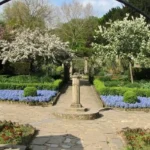
Lambeth offers a varied botanical experience across historic gardens, formal flower beds, community growing spaces, orchards, landscaped parks and horticultural collections. The borough combines centuries of garden history with modern urban planting, biodiversity projects and community-led food growing.
- What botanical experiences can visitors find in Lambeth?
- Why is the Garden Museum one of Lambeth’s most important botanical attractions?
- What can visitors see in the Garden Museum’s gardens?
- What makes Brockwell Park a botanical experience in Lambeth?
- Why is Kennington Park important for flower gardens and horticulture?
- What can visitors discover at Myatt’s Fields Park?
- Where can visitors experience urban fruit growing in Lambeth?
- What botanical features can visitors find at Vauxhall Pleasure Gardens?
- How does Lambeth connect botanical experiences with garden history?
- Which Lambeth parks are important for historic horticultural landscapes?
- How can visitors explore community horticulture in Lambeth?
- What is the best way to plan a botanical day in Lambeth?
- Why are Lambeth’s botanical experiences relevant to modern urban life?
- What should visitors look for during a botanical visit to Lambeth?
- What is the long-term significance of botanical experiences in Lambeth?
For visitors interested in plants, Lambeth is particularly notable because its botanical attractions are not concentrated in one traditional botanic garden. Instead, horticultural experiences are distributed across places such as the Garden Museum, Brockwell Park, Kennington Park, Myatt’s Fields Park, Vauxhall Pleasure Gardens and Brixton Orchard.
The borough also has a strong connection with the history of British gardening. John Tradescant the Elder established a botanical garden and nursery in Lambeth during the 17th century. His work helped make Lambeth an important location in the development of plant collecting and garden culture in Britain.
What botanical experiences can visitors find in Lambeth?
Lambeth offers botanical experiences ranging from historic plant collections and formal flower gardens to community orchards, productive gardens, pollinator planting, mature trees and biodiversity sites across its parks and public spaces. These experiences combine horticulture, heritage, conservation and everyday urban recreation.
The Garden Museum provides the strongest dedicated horticultural experience. It combines garden history, botanical interests, garden design, collections and living gardens within the historic St Mary-at-Lambeth site.
Brockwell Park provides a large-scale landscape experience with a historic walled garden, ancient oaks, ponds, meadows and community greenhouses.
Kennington Park focuses on formal horticulture through its restored Old English Flower Garden, rose beds, mature trees and biodiversity areas.
Myatt’s Fields Park adds a community-focused botanical dimension. Its nature garden, herbaceous borders, native planting and community greenhouse support local biodiversity.
Brixton Orchard demonstrates urban fruit growing, with more than 30 fruit trees alongside edible planting and biodiversity projects.
These locations give visitors different ways to understand plants. Some focus on historical garden design. Others demonstrate food growing, ecological planting or community horticulture.
Why is the Garden Museum one of Lambeth’s most important botanical attractions?
The Garden Museum is Britain’s only museum dedicated to the art, history and design of gardens, combining historical collections with living gardens, horticultural learning, botanical subjects and the legacy of John Tradescant at its historic Lambeth site.
The Garden Museum occupies the former St Mary-at-Lambeth Church beside Lambeth Palace. The building has medieval origins, while its collections explain the development of British gardening from the 16th century to the present day.
The museum’s Collection Gallery contains objects associated with garden history, garden design, gardening tools and nursery culture. Visitors encounter figures including Gertrude Jekyll and Humphry Repton, two major names in British garden design.
The Wolfson Ark Gallery focuses on John Tradescant. Tradescant moved to Lambeth during the 1620s and developed a garden containing more than 1,000 plants. His Lambeth home also contained natural-history objects and other collected curiosities.
The Garden Museum therefore connects botanical interest with social and cultural history. Visitors do not simply see plants. They learn how plant collecting, garden design, nursery businesses and horticultural knowledge developed.
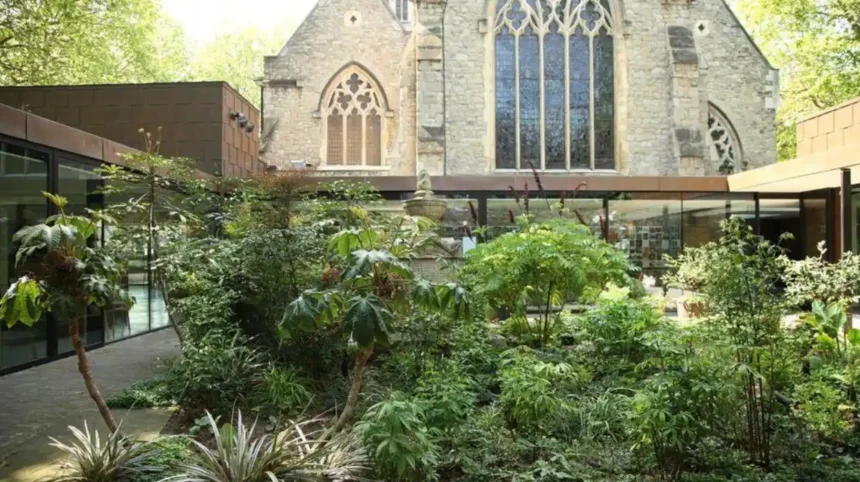
The museum also maintains living gardens. Its front garden contains yew hedges, productive greenhouses and planted areas. The community garden in Old Paradise Gardens contains raised beds, edible crops, cut flowers, medicinal plants, sensory planting, a wildlife pond and a bug hotel.
For visitors specifically interested in horticulture, this combination of collections and living planting provides one of the most concentrated botanical experiences in Lambeth.
What can visitors see in the Garden Museum’s gardens?
The Garden Museum’s gardens combine formal yew hedging, productive greenhouses, soft planting and a community garden containing edible crops, cut flowers, medicinal plants, sensory planting, wildlife features and raised growing beds.
The front garden uses a formal design based around enclosing yew hedges. The design was conceived by landscape architect Christopher Bradley-Hole. Productive greenhouses add a practical horticultural element to the visitor experience.
Across Lambeth High Street, the Garden Museum’s community garden sits within Old Paradise Gardens. Landscape design studio Dan Pearson Studio created the garden around an organic seed-pod form.
Raised circular beds represent seeds. Handwoven hazel forms the perimeter. Individual beds are adopted by local families for edible and cut-flower production.
The planting also references historic apothecary gardens. Plants such as lungwort, sweet cicely and geranium represent species associated with traditional medicinal uses. The garden also contains sensory and dye planting.
A wildlife pond and bug hotel extend the garden beyond ornamental horticulture. They demonstrate how small urban gardens support insects and other wildlife.
This makes the Garden Museum particularly relevant to visitors interested in the relationship between horticulture, biodiversity and urban community spaces.
As you explore the modern site, you are crossing land with a deep heritage. Read about the full [Insert Anchor Text for History Article Here] to understand its origins.
What makes Brockwell Park a botanical experience in Lambeth?
Brockwell Park combines a historic walled flower garden, mature and ancient trees, ponds, meadows, landscaped views and community horticulture within a large public park that has operated as a public green space since its formal opening in 1892.
Brockwell Park is one of Lambeth’s largest and most important horticultural landscapes. The park contains a network of ponds, wide meadows, mature trees and an Old English Walled Garden.
The park originated as private landscaped grounds associated with Brockwell House. The Metropolitan Board of Works acquired the site in the late 19th century, and Brockwell Park opened to the public in 1892.
The walled garden provides a more enclosed horticultural environment than the surrounding open parkland. It contains formal planting and is supported by community involvement, including the Friends of Brockwell Park.
Brockwell Park Community Greenhouses add another important botanical element. Lambeth Council identifies them as one of the borough’s parks-based community gardens. These projects support food growing and practical gardening activities.
The park also has ecological value. Lambeth Council identifies Brockwell Park as a Site of Importance for Nature Conservation, recognising its importance for wildlife and access to nature.
For visitors, the botanical experience works best as a combination of formal and informal landscapes. The walled garden provides concentrated horticultural interest, while the wider park demonstrates how trees, grassland, ponds and planted areas operate together within an urban landscape.
Why is Kennington Park important for flower gardens and horticulture?
Kennington Park is a major Victorian-era horticultural destination in Lambeth, with a restored Old English Flower Garden, rose beds, mature historic trees, wildlife areas and formal planting that connect garden design with the park’s wider social and environmental history.
Kennington Park occupies land historically known as Kennington Common. The common became a public park in 1852, making it one of London’s early public parks.
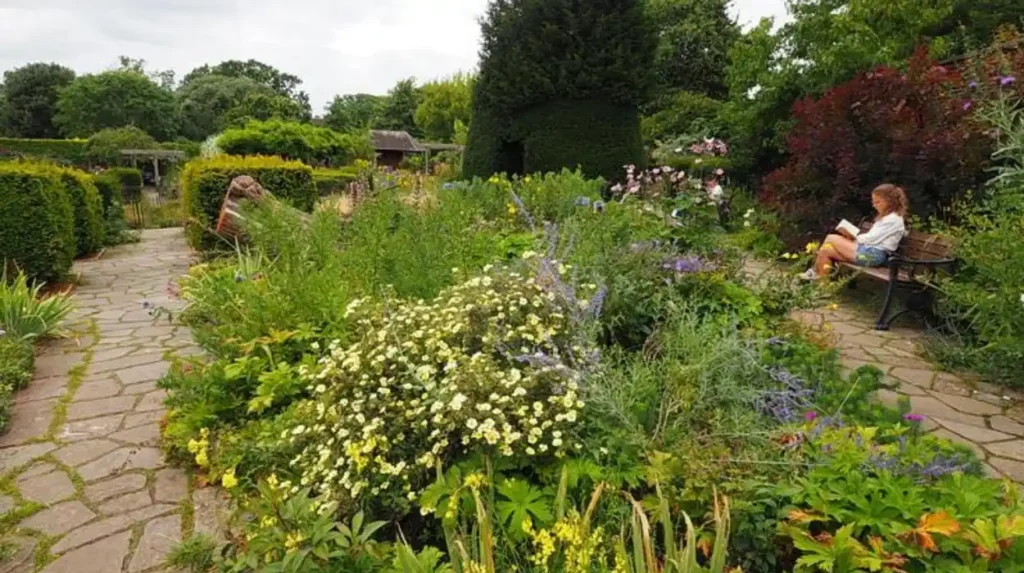
The park’s central botanical feature is its Old English Flower Garden. The garden has undergone restoration supported by the National Lottery Heritage Fund and Lambeth Council.
The flower garden is supported by rose beds, mature trees and other planted areas. Its design provides a formal horticultural contrast to the wider open areas of Kennington Park.
The park also contains Bee Urban, a London-wide centre focused on beekeeping and the care and conservation of bees and other pollinators. This gives the site a direct connection between horticulture and pollination.
Kennington Park also has ecological significance. Lambeth Council designates it as a Site of Importance for Nature Conservation. Mature trees and wildlife areas contribute to biodiversity within the park.
Visitors interested in horticulture therefore encounter several layers at one site: historic public-park design, formal flower cultivation, roses, mature trees, pollinator conservation and contemporary biodiversity management.
What can visitors discover at Myatt’s Fields Park?
Myatt’s Fields Park provides a community-focused botanical experience through its nature garden, native bulb and hedge planting, naturalised grassland, pollinator-friendly herbaceous borders and community greenhouse within a preserved Victorian public-park landscape.
Myatt’s Fields Park sits between Camberwell and Brixton. It opened to the public in 1889 and retains much of its Victorian layout.
The park was designed by Fanny Rollo Wilkinson, one of the women involved in designing new public parks during the 19th century. Looping paths and tree-lined avenues remain important features of the landscape.
Its botanical character comes from several planting approaches. The park includes a dedicated nature garden, native bulb planting, native hedges, naturalised grasslands and herbaceous borders containing pollinator-friendly species.
A community greenhouse adds an active growing dimension. Unlike a purely ornamental garden, the greenhouse connects horticulture with community participation.
This makes Myatt’s Fields Park useful for visitors who want to see how modern public parks incorporate ecological planting without abandoning historic landscape structures.
The park also demonstrates the importance of small and medium-sized green spaces within dense urban neighbourhoods. Botanical interest does not require a large botanical institution. Native planting, herbaceous borders, trees and community growing facilities create meaningful horticultural experiences at neighbourhood scale.
Where can visitors experience urban fruit growing in Lambeth?
Brixton Orchard is Lambeth’s clearest urban-fruit-growing experience, with more than 30 fruit trees, edible planting, biodiversity projects and volunteer gardening sessions directly opposite Lambeth Town Hall on Brixton Hill.
Brixton Orchard forms part of Rush Common, a sequence of green spaces extending along Brixton Hill between Brixton and Streatham.
The orchard contains more than 30 fruit trees. It also includes edible planting and projects designed to support biodiversity.
The site is managed by the Brixton Business Improvement District with support from local volunteers. Regular volunteer gardening sessions include planting, weeding, orchard maintenance and seasonal work.
This gives visitors a different botanical perspective from a formal flower garden. The emphasis is on productive horticulture, edible landscapes and community management.
Brixton Orchard also demonstrates the role of small-scale food-growing spaces in London’s urban environment. Fruit trees occupy a public green space while providing seasonal visual interest and supporting ecological activity.
The orchard normally opens from 7.30am until sunset.
Visitors can combine the orchard with the wider Rush Common landscape. The corridor also includes the Rush Common Woodland Walk, Pencil Park and areas of meadow grassland and mature trees.
What botanical features can visitors find at Vauxhall Pleasure Gardens?
Vauxhall Pleasure Gardens combines modern meadow planting, spring-flowering bulbs, new trees and pollinator-friendly wildlife habitats with the historic landscape identity of the former Vauxhall Pleasure Gardens entertainment site.
The present park occupies the historic site of Vauxhall Pleasure Gardens, which was first laid out in 1661. The original gardens became a major entertainment destination during the 18th and early 19th centuries before closing in 1859.
The modern park contains grassland, trees and areas of spring-flowering bulbs. Recent improvements also created wildlife habitat with a focus on pollinator-friendly planting.
The site has been designated a Site of Importance for Nature Conservation alongside Vauxhall City Farm. This designation recognises its value for wildlife and people.
The botanical experience here therefore combines historical landscape interpretation with contemporary biodiversity management.
The site also includes outdoor paddocks associated with Vauxhall City Farm, creating an unusual relationship between public parkland, planting and urban agriculture.
Visitors interested in historical gardens should distinguish the present landscape from the original Pleasure Gardens. The modern park occupies the historic site but does not recreate the complete 18th-century entertainment landscape.
How does Lambeth connect botanical experiences with garden history?
Lambeth has a deep gardening heritage shaped by historic estates, public parks, plant collectors, formal gardens and changing ideas about urban green space, with John Tradescant’s 17th-century Lambeth garden forming a major part of that history.
The most important historical botanical figure connected with Lambeth is John Tradescant the Elder, a gardener and plant collector who settled in Lambeth during the 1620s.
Tradescant created a botanical garden and nursery at his Lambeth home. The Garden Museum records more than 1,000 plants associated with the garden. He also collected natural-history objects and other curiosities.
The site became known as The Ark. It represented an early public-facing collection combining plants, natural history and objects from different parts of the world.
Tradescant’s son, John Tradescant the Younger, continued the family tradition of plant collecting and gardening. His work extended the botanical legacy associated with the Lambeth household.
Lambeth’s later gardening history developed through public parks, institutional gardens, community spaces and private landscapes.
Lambeth Palace provides another important historical connection. Its registered garden covers approximately 2.5 hectares and has a history of allotment use during the First World War, later garden renovation and formal flower beds. Historic England lists Lambeth Palace as a Grade II registered park and garden.
The Palace garden is a private garden with occasional public access rather than a standard open public park. Visitors therefore need to check access arrangements before planning a visit.
This distinction is important when planning a botanical itinerary. Lambeth contains historic gardens that visitors can freely explore and others that require specific access.
Which Lambeth parks are important for historic horticultural landscapes?
Lambeth contains eight landscapes on the national Register of Historic Parks and Gardens, including Brockwell Park, Kennington Park, Lambeth Palace, Myatt’s Field, Ruskin Park, St Michael’s Convent, The Rookery and West Norwood Cemetery.
Historic England’s national register recognises landscapes with special historic interest. Lambeth Council identifies eight registered landscapes within the borough.
The list includes different types of green spaces. Brockwell Park and Kennington Park represent public parks. Lambeth Palace represents an historic institutional garden. Myatt’s Field and Ruskin Park represent other historic landscaped environments. The Rookery and West Norwood Cemetery add further landscape types.
These places demonstrate that botanical heritage extends beyond traditional flower gardens.
Historic parks preserve elements such as mature trees, planned views, paths, planted beds, boundaries and landscape structures. Some also retain associations with historic buildings and former estates.
For visitors, this creates an opportunity to combine plant observation with landscape history. The structure of a garden often reflects the period in which it was designed and the purpose for which it was created.
How can visitors explore community horticulture in Lambeth?
Community horticulture in Lambeth includes food-growing projects, community greenhouses, orchards and volunteer-managed gardens, giving visitors practical examples of urban growing, biodiversity management and shared responsibility for local green spaces.
Lambeth Council identifies several parks-based community gardens where residents grow food and develop gardening skills. Examples include Brockwell Park Community Greenhouses and Bandstand Beds on Clapham Common.
These spaces differ from conventional ornamental gardens. Their purpose includes food production, learning, community participation and environmental improvement.
Brockwell Park Community Greenhouses operate within Brockwell Park. Bandstand Beds provides food-growing activity in the centre of Clapham Common.
Brixton Orchard provides another model. More than 30 fruit trees combine productive planting with biodiversity work. Volunteers participate in maintenance and seasonal horticultural activities.
Community gardening also appears at Myatt’s Fields Park through its community greenhouse and biodiversity-focused planting.
These sites are particularly relevant to visitors interested in sustainable urban living, gardening education and local food systems. Access arrangements differ between projects, so visitors should check individual project information before joining organised activities.
What is the best way to plan a botanical day in Lambeth?
A botanical day in Lambeth works well when visitors combine the Garden Museum with nearby historic green spaces, then explore a larger park or community garden such as Brockwell Park, Kennington Park, Myatt’s Fields Park or Brixton Orchard.
The Garden Museum provides the strongest starting point because it establishes the historical and cultural context of gardening in Lambeth. It is located beside the River Thames and next to Lambeth Palace. The museum states that it is around a ten-minute walk from Vauxhall, Westminster, Waterloo and Lambeth North stations.
The next stop can focus on formal horticulture. Kennington Park provides an Old English Flower Garden, roses and mature trees.
A southern itinerary can instead focus on Brockwell Park, where the walled garden, community greenhouses, ponds, mature trees and meadows create a broader landscape experience.
A Brixton-focused itinerary can combine Brixton Orchard with Rush Common. The orchard provides productive planting, while the wider green corridor includes woodland, meadow and mature-tree habitats.
Visitors interested in community horticulture can add Myatt’s Fields Park and its nature garden and community greenhouse.
Opening hours, event access and seasonal planting change. Checking official venue information before travelling remains important, especially for gardens with restricted or event-based access.
Why are Lambeth’s botanical experiences relevant to modern urban life?
Lambeth’s botanical spaces demonstrate how historic gardens, public parks, community growing, pollinator planting, orchards and biodiversity management support access to nature within a densely developed London borough. These spaces combine recreation, horticulture, heritage, education and environmental management.
The botanical landscape of Lambeth operates at several scales.
The Garden Museum preserves knowledge about gardening and garden design. Its collections connect historic horticultural practice with contemporary questions around plants, sustainability and urban life.
Large parks such as Brockwell Park and Kennington Park provide mature trees, formal gardens, grassland and wildlife habitats. Both are recognised for nature conservation value.
Neighbourhood spaces such as Brixton Orchard demonstrate productive urban planting. More than 30 fruit trees occupy a community-managed site in central Brixton.
Myatt’s Fields Park demonstrates how biodiversity planting can operate within a Victorian park framework. Its native bulbs, hedges, naturalised grassland and pollinator-friendly herbaceous borders provide different planting habitats.
Vauxhall Pleasure Gardens demonstrates another approach. The modern landscape incorporates spring bulbs, meadow grassland, new trees and pollinator-focused wildlife habitat on a historically significant site.
Together, these sites show that a botanical experience in Lambeth is not limited to identifying individual plants. It includes understanding how plants are cultivated, displayed, protected and integrated into public landscapes.
Explore More Area Guide
Public Gardens in Lambeth: Visitor Guide to South London
Lambeth Bridges at Night: Best Evening Viewpoints
What should visitors look for during a botanical visit to Lambeth?
Visitors should look for formal flower beds, mature trees, historic planting layouts, productive crops, fruit trees, native species, pollinator-friendly plants, wildlife habitats, community greenhouses and evidence of historic garden design across Lambeth’s varied green spaces.
At the Garden Museum, focus on the connection between horticultural history and living gardens. The museum’s collections cover British gardening from the 16th century onwards, while its gardens demonstrate contemporary planting and community growing.
At Brockwell Park, the walled garden provides concentrated horticultural interest. The surrounding park adds ancient oaks, ponds, meadows and wider landscape views.
At Kennington Park, the Old English Flower Garden and rose beds provide the clearest formal-flower experience. Mature trees and wildlife areas extend the botanical experience beyond the formal garden.
At Myatt’s Fields Park, look for native bulb and hedge planting, naturalised grassland and pollinator-friendly herbaceous borders.
At Brixton Orchard, the focus shifts towards fruit production, edible planting and community horticulture.
At Vauxhall Pleasure Gardens, look for meadow planting, spring bulbs, trees and pollinator habitat alongside the historic site layout.
This range makes Lambeth particularly useful for visitors seeking different forms of urban horticulture rather than a single specialist botanical garden.
What is the long-term significance of botanical experiences in Lambeth?
Lambeth’s botanical experiences preserve historic gardening traditions while supporting contemporary biodiversity, community growing and public access to nature, creating a network of living landscapes that connects plant heritage with modern urban environmental management.
The borough’s horticultural importance has roots stretching back centuries. John Tradescant’s Lambeth garden connected plant collecting with public curiosity during the 17th century. The Garden Museum preserves this history and interprets its significance for modern audiences.
Public parks later expanded access to landscaped green space. Brockwell Park opened in 1892, while Myatt’s Fields Park opened in 1889 and Kennington Park became a public park in 1852.
Modern projects add new priorities. Community gardens support food production and participation. Orchards introduce productive trees. Pollinator planting supports insects. Naturalised grasslands and wildlife habitats increase ecological variety.
The result is a layered botanical landscape. Historic gardens preserve design traditions. Public parks provide mature landscapes. Community gardens support practical horticulture. Orchards demonstrate urban food growing. Biodiversity projects connect planting with wildlife conservation.
For tourists, this creates a botanical route through Lambeth that combines horticulture, heritage and urban nature. For residents, the same spaces provide everyday opportunities for gardening, walking, learning and observing seasonal change.
Lambeth’s botanical identity therefore rests on the relationship between plants, people, history and public space. Its gardens and green spaces show how horticulture remains an active part of London’s urban landscape.
What are the best botanical experiences in Lambeth?
The best botanical experiences in Lambeth include the Garden Museum, Brockwell Park, Kennington Park, Myatt’s Fields Park, Brixton Orchard and Vauxhall Pleasure Gardens. Each offers a different combination of gardens, plants, trees, horticulture, biodiversity and garden history.