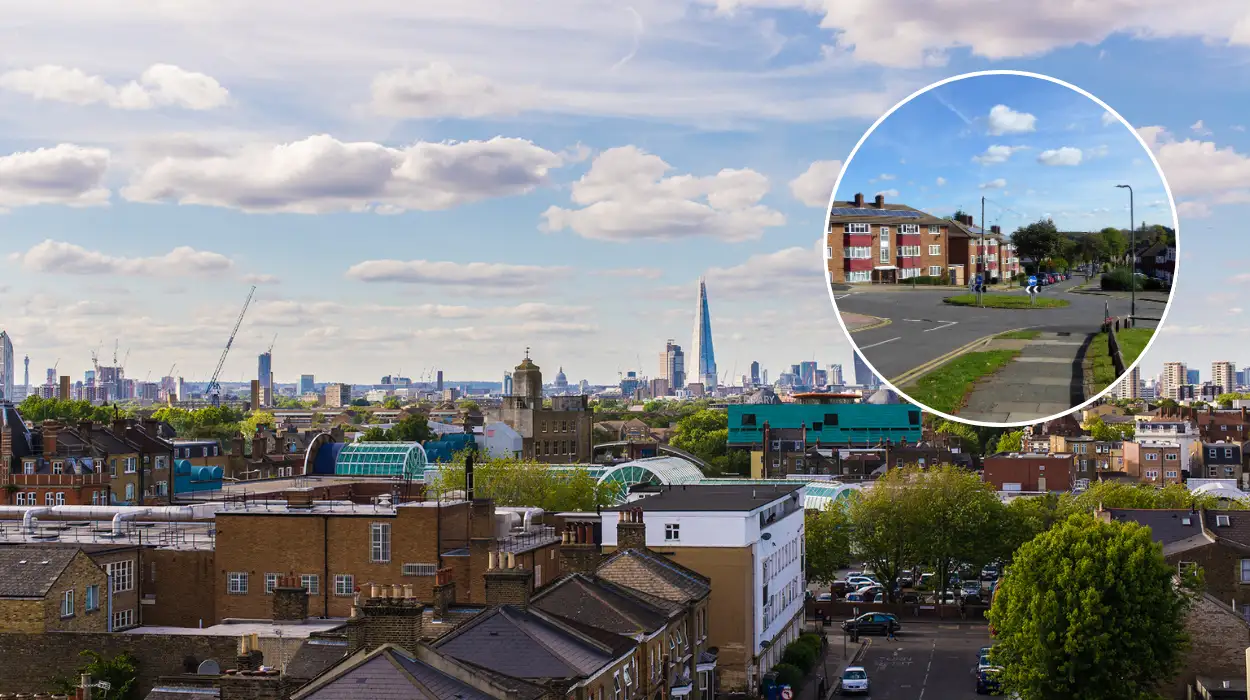
Nestled in the London Borough of Bexley, Albany Park offers a peaceful escape from the city’s hustle while remaining connected to central London. This evergreen guide explores its rich history, community life, and timeless attractions for South London residents seeking local pride and hidden spots.
A Brief History of Albany Park
Albany Park emerged in the 1930s from rural farmland once part of Tanyard and Hurst Farms, owned by the Vansittart family at nearby Foots Cray. Developer New Ideal Homesteads transformed the high ground overlooking the River Cray and Shuttle valleys into affordable housing estates—Albany Park and Royal Park—targeting working-class families from Inner London using prefabricated materials for low costs.
The Dartford Loop Line, established in 1866, gained Albany Park railway station in 1935 to serve the new residents, alongside shops and the Mock Tudor Albany Hotel. Post-WWII expansion by Bexley Council completed Royal Park Estate, while community hubs like Hurst Place mansion became a centre in 1954. Churches followed: Baptists built a hall in Stansted Crescent in 1955, and St Andrew’s Anglican Church opened in 1965, praised by Nikolaus Pevsner as “ingenious, fashionable and slightly absurd.”
Getting Around Albany Park
Albany Park station, in Travelcard Zone 5, lies 12 miles 68 chains from Charing Cross, with Southeastern trains offering four trains per hour to London Charing Cross (two direct, two via Lewisham) and four to Dartford (two extending to Gravesend). Peak services include routes to Cannon Street via Greenwich or Woolwich Arsenal, and Blackfriars.
Transport for London buses 229, 269, and B14 link to Bexleyheath, Sidcup, Bromley, Orpington, and Thamesmead; B14 directly serves from Longmead Drive. The station sits in Steynton Avenue amid residential streets, with steps down to platforms in a cutting—no goods yard ever existed, and the signal box closed in 1970. Drivers note nearby parking, though public transport suits eco-conscious South Londoners.

Community and Demographics
Albany Park blends suburban calm with diverse roots, part of Bexley’s broader profile where Christianity dominates (54.5% in 2021 Census data for similar locales), alongside no religion (19.9%) and other faiths. While specific ward stats highlight family-oriented growth from 1930s migration, the area remains predominantly residential with working families.
Schools anchor community life: Royal Park Primary Academy (formerly School), for ages 3-11 with 346 pupils, emphasises local education near Riverside Road. Hurst Primary (from 1935-36 infants/juniors on Dorchester Avenue) serves younger ones. No GP remains after Longmead Drive’s closure—residents use vets or nearby practices now. Millennium Woodland, planted in 2001 along Canterbury Avenue’s railway, adds green legacy.
Local Amenities and Shops
Steynton Avenue’s parade offers everyday essentials: two mini-markets, dry cleaners, hardware, pet supplies, party shop, hairdresser, restaurants, and takeaways. Cedarwood Place apartments replaced Norman Parade shops, including a convenience store by Belgravia Homes. The Albany pub, from the 1930s, remains a social hub without an actual “Albany Park” green space.
Petrol station convenience aids motorists, while Hurst Place Community Centre hosts events. Faith spots include St Andrew’s at Maylands Drive/St Andrews Road and Baptist hall—vital for 1969 parochial status despite under 10,000 residents. No leisure centre exists locally; families head to Bexley parks or nearby Enfield options, but Albany’s walkable vibe suits daily needs.
Green Spaces and Outdoor Pursuits
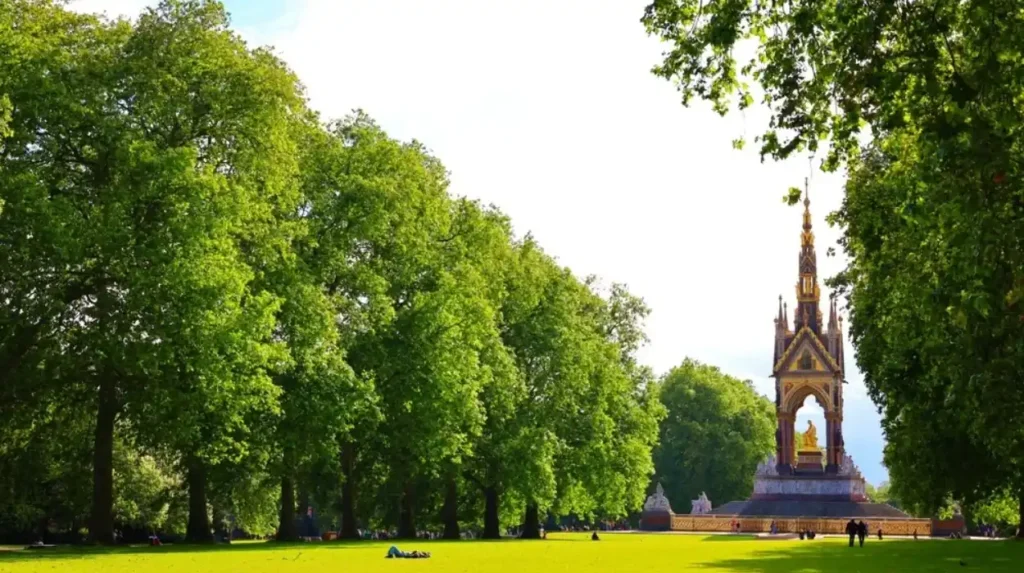
Albany Park gateways to Foots Cray Meadows, a Site of Special Scientific Interest with riverside walks, ancient woods, and wildlife—accessed via Rectory Lane, just minutes away. Bexley Woods nearby featured in 1930s aerial views during estate builds, preserving rural vistas amid suburbia.
Hall Place and Gardens in nearby Bexley offers historic mansion, tropical conservatory, and 165-acre grounds—perfect for picnics or events. Parish Wood Park in bordering Blackfen, redeveloped with £400,000 in 2009 for paths, lighting, toilets, and play areas, echoes fen history. These spots embody South London’s green lung, ideal for cycling, dog walks, or birdwatching year-round.
Family-Friendly Activities
Royal Park Primary ties into community events, while Hurst Place hosts classes and gatherings. Explore Bexley Woods for trails amid 1934 construction echoes, or Foots Cray for meadows picnics—Rectory Lane bus stop eases access. St Andrew’s Church runs youth groups; Baptists offer halls for hire.
Station-adjacent shops suit quick family stops, with Albany pub for older kids’ meals. Wider Bexley draws families to Danson Park’s mansion and lake, or Lesnes Abbey ruins—short drives from Albany. Seasonal joys include Millennium Woodland strolls or Blackfen fens—evergreen for all ages.
Property and Living Appeal
1930s estates promise semi-detached homes with gardens, sold cheaply then for London exodus—now valued for space and transport. High ground yields valley views; density doubled council advice yet retains “rural character” per old brochures, though Hidden London calls it “lacklustre.”
Modern touches like Cedarwood apartments mix old and new. Bexley Council’s park byelaws ensure maintained open spaces. For South Londoners, Albany Park ranks high for affordability, schools, and commutes—12 miles to Charing Cross suits hybrid workers.
Why Albany Park Endures
This Bexley enclave thrives on 1930s legacy: estates, station, and spirit linking Sidcup, Bexley, and Foots Cray. Green access, solid schools, and amenities make it a forever South London choice—suburban haven with Loop Line pulse. Whether meadow walks or pub nights, Albany Park delivers timeless community.