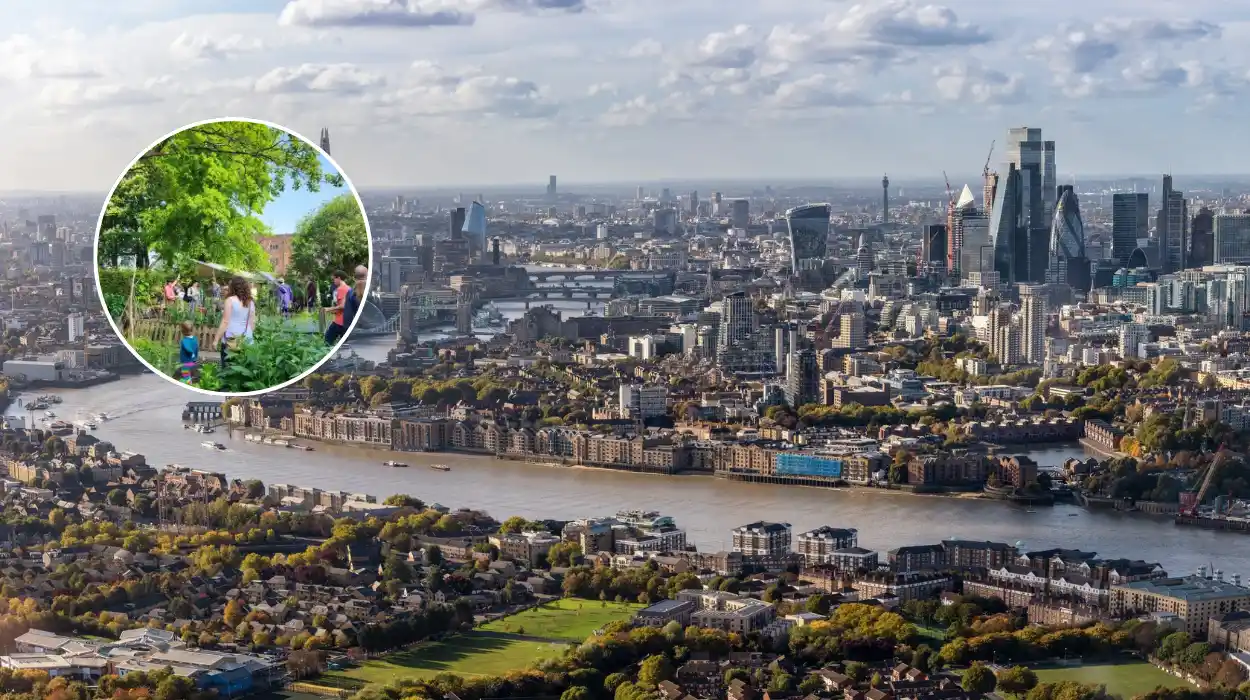
Lambeth stands as a vibrant cornerstone of South London, blending ancient history with modern multiculturalism along the River Thames. This inner borough, part of historic Surrey, spans from Lambeth Palace to Brixton markets, offering endless exploration for locals and visitors.
Ancient Origins and Name Roots
Settlement in Lambeth traces back to Roman times or earlier, with place names like Brixton and Kennington hinting at ancient derivations. The name “Lambeth” first appeared as Lamhytha in 1088, possibly meaning “Harbour Landing for Lambs,” reflecting its marshy Thames-side location known as Lambeth Marshe.
Drained in the 18th century, this marshland shaped early development, remembered today in streets like Lower Marsh. Parish records from the 16th century document churchwardens and vestries, underscoring Lambeth’s longstanding community governance.The area formed part of Brixton Hundred, an elongated parish with two miles of Thames frontage opposite central London.
Medieval Legacy: Lambeth Palace
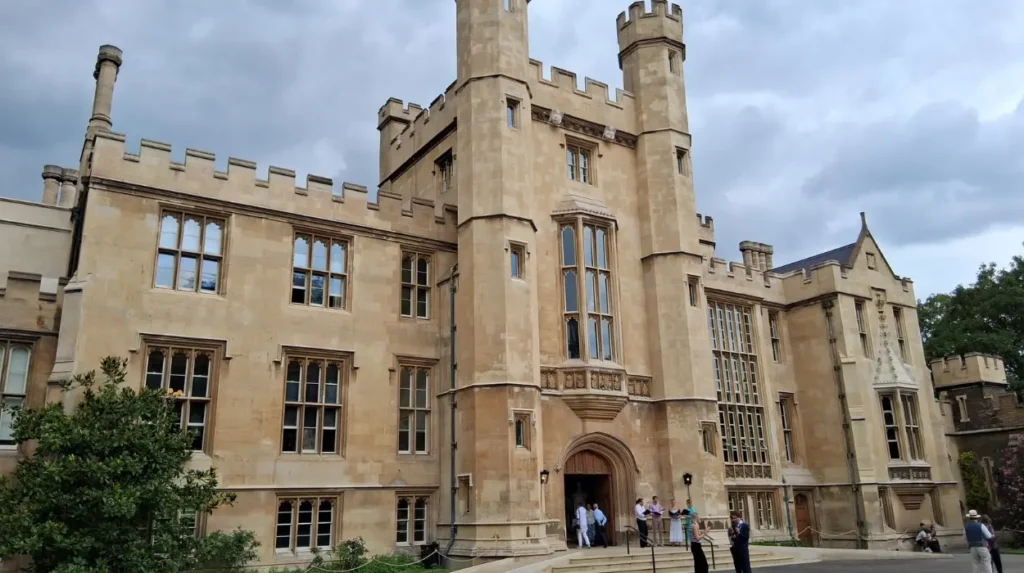
Lambeth Palace, the Archbishop of Canterbury’s residence since at least 1190, anchors the borough’s medieval heritage. Archbishop Hubert Walter built the core in 1197, hosting key treaties like the Treaty of Lambeth in 1212 and 1217.
The palace endured attacks, including in 1640 amid theological unrest and severe damage during the English Civil War, leading to reconstruction of its great hall in 1663 with a Gothic hammerbeam roof. Cardinal John Morton’s 1495 gatehouse and Laud’s Tower highlight 15th-16th century expansions.Edward the Black Prince owned northern estates in the 14th century, including Kennington, now recalled in Black Prince Road. Dukes of Norfolk resided nearby until selling to early potters producing English delftware by 1680.
Industrial Growth and Bridges
Bridges transformed Lambeth from rural marsh to urban hub: Westminster in 1750, Blackfriars, Vauxhall, and Lambeth Bridge spurred roads like Westminster Bridge Road and Kennington Road.The Industrial Revolution brought factories, railways, and population booms; a 1726 workhouse housed 270 poor by 1777, evolving into the 1835 Lambeth Poor Law Parish. Railways extended from Nine Elms through Lambeth to Waterloo in the 1840s, demolishing slums for tracks.
North Lambeth hosted unregulated entertainment like theatres and bear pits until the 18th century, fueled by road and river transport.
Modern Borough Formation
Lambeth joined the Metropolitan Police District in 1829 and Metropolitan Board of Works in 1855, becoming part of County of London in 1889. The 1900 London Government Act created the Metropolitan Borough of Lambeth from St Mary Lambeth parish, including Waterloo, Kennington, Brixton, and Norwood districts.Post-1965, the London Borough of Lambeth merged ancient parishes of Lambeth, Clapham, and Streatham, maintaining its Surrey roots. Today, it thrives as a diverse inner borough with Thames views.
Iconic Landmarks
Lambeth Palace remains a secluded gem, its gardens and library open seasonally for tours. The Imperial War Museum, in a former Bethlehem Royal Hospital (Bedlam), showcases military history amid green spaces.
Brixton Windmill, London’s oldest, stands as a rural relic from 1817, while Stockwell War Memorial honors World War I fallen. Oval Cricket Ground hosts international matches, drawing crowds to Kennington.Street art in Leake Street Arches and Brixton Village markets add contemporary flair to historic sites.
Cultural Melting Pot
Lambeth pulses with multiculturalism, especially Brixton’s African and Caribbean communities, evident in markets and Notting Hill Carnival influences. Annual events like Lambeth Country Show celebrate this vibrancy.From Lambeth Walk’s music hall era to modern galleries like the Black Cultural Archives, the borough fosters creativity. Southbank Centre hosts world-class arts along the Thames.
Green Spaces and Recreation
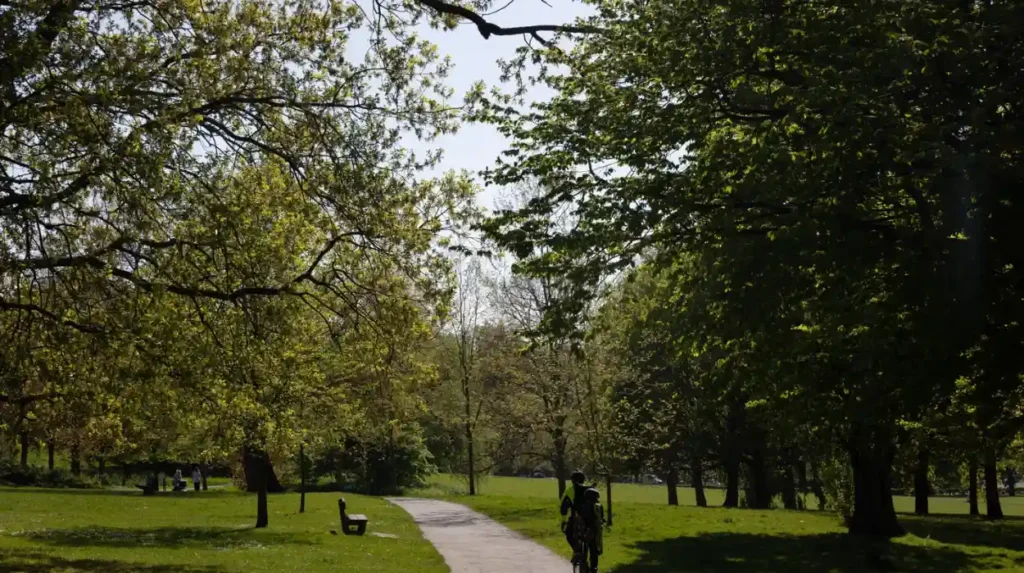
Despite urban density, Brockwell Park offers lakes, lidos, and gardens for picnics. Ruskin Park honors John Ruskin, with views toward St Paul’s.Thames-side paths connect to Battersea Park, ideal for cycling or riverside strolls. Community gardens in Loughborough Junction promote sustainability.
Transport Hub
Lambeth excels in connectivity: Waterloo Station, Europe’s busiest, links to Eurostar and nationwide rails. Underground lines like Northern and Jubilee serve Brixton, Oval, and Kennington.Buses and Thames Clippers provide scenic routes, with cycle superhighways enhancing eco-friendly travel. Cycling to central London takes minutes from Vauxhall.
Local Economy and Living
Lambeth balances tech startups in Elephant & Castle with creative industries at Bankside. Housing mixes Victorian terraces, council estates, and luxury riverside developments.Markets like Brixton and Lower Marsh offer street food from global cuisines, supporting independent traders. Regeneration projects boost jobs while preserving heritage.
Education and Community
Top schools include Lambeth Academy and Ark All Saints, alongside universities like King’s College strands. Libraries and adult education centers enrich lifelong learning.Community initiatives tackle inequality, with food banks and youth programs fostering resilience. Lambeth Council’s services prioritize green initiatives and housing.
Future of Lambeth
Sustainability drives plans for more green roofs and electric transport. Cultural expansions, like new museums, ensure Lambeth’s enduring appeal.