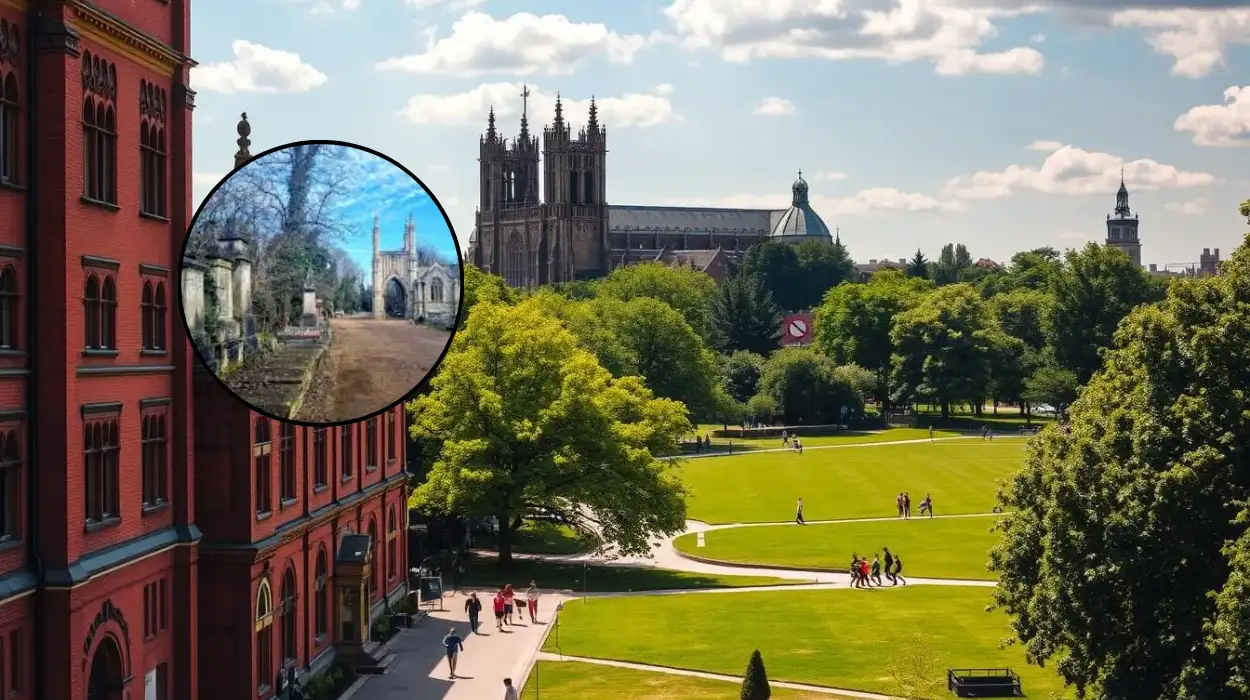
Nestled in the southwestern corner of Greater London, the London Borough of Merton and the London Borough of Sutton form a vibrant duo of South London suburbs blending rich history, green spaces, and modern living. These areas, often overshadowed by flashier neighbors like Wandsworth or Croydon, offer timeless appeal for residents and visitors seeking authentic suburban charm.
Historical Roots
Merton’s story traces back to Anglo-Saxon times, with the name “Mertone” first recorded in 967 AD, meaning “farmstead by the pool” from Old English roots. The area encompassed ancient parishes like Merton, Mitcham, Morden, and Wimbledon, all originally in Surrey county until the 1965 London Government Act merged them into the modern borough. Wimbledon gained urban district status in 1866 and became a municipal borough in 1905, while Merton and Morden formed an urban district in 1907, enlarged soon after. Mitcham followed suit in 1915, incorporating as a borough in 1934. Sutton’s history mirrors this evolution; it was part of Surrey’s Wallington and Beddington parishes, with Roman Stane Street road remnants unearthed in nearby Morden, highlighting prehistoric occupation.
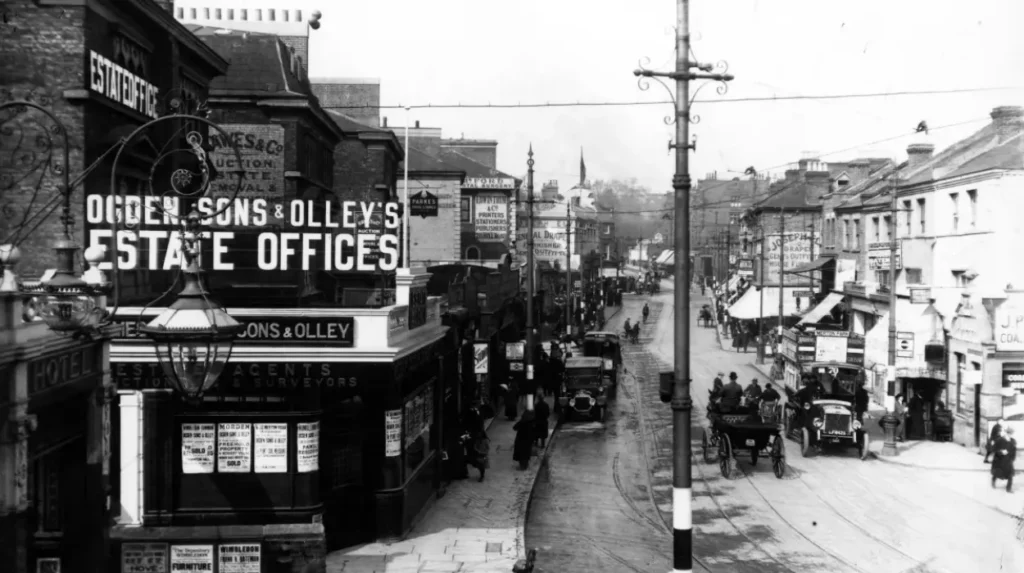
Key historical sites include Merton’s Nelson connection—Admiral Lord Nelson lived at Merton Place (demolished 1918 but commemorated today) from 1801-1803, hosting lavish parties amid its orchards. Wimbledon Common, over 1,100 acres, has Iron Age earthworks and hosted the 1988 FA Cup Final stars from Wimbledon FC, the “Crazy Gang” who stunned Liverpool. Sutton’s Belmont area boasts 18th-century Georgian homes, while Beddington Park features a 16th-century palace once home to economist Lionel Robbins. These boroughs transitioned from rural idylls—famed for lavender fields in Mitcham and Huguenot textile printing along the River Wandle—to commuter havens post-WWII.
Iconic Landmarks and Attractions
Wimbledon, Merton’s crown jewel, revolves around the world-famous All England Lawn Tennis and Croquet Club, home to the annual Wimbledon Championships since 1877. The queue for tickets is a British institution, drawing 500,000 visitors yearly to its strawberries-and-cream tradition. Beyond tennis, Wimbledon Windmill (built 1817) offers panoramic views, and the Wimbledon Museum delves into local lore.
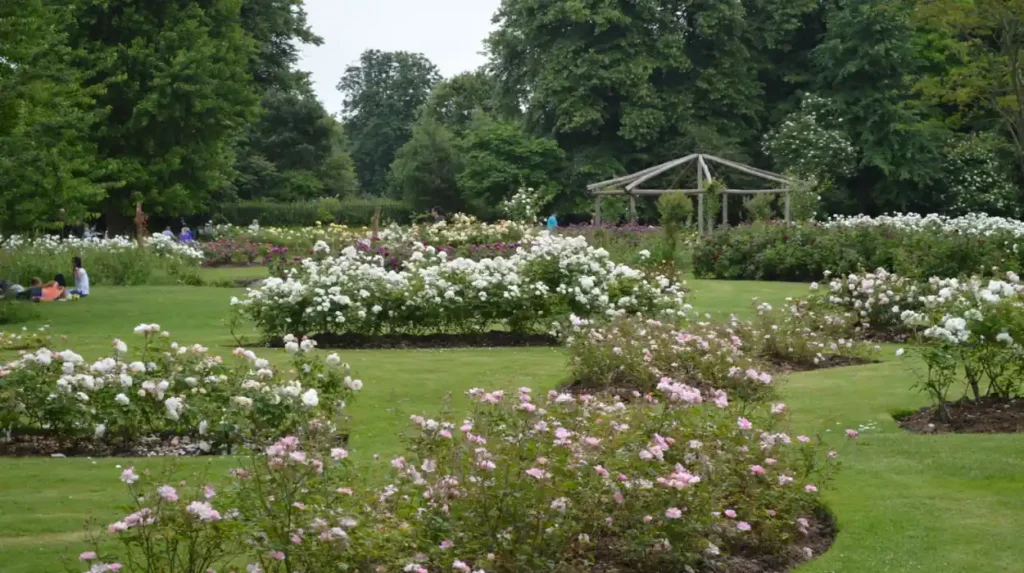
Cannizaro Park in Merton showcases Italianate gardens and a rare Sequoiadendron giganteum tree, perfect for picnics. Morden Hall Park, a National Trust gem, spans 125 acres with wetlands, a rose garden, and the River Wandle meandering through—ideal for spotting kingfishers. Sutton’s Nonsuch Mansion recreates Henry VIII’s lost Nonsuch Palace with opulent interiors, while the Whitehall Heritage Centre in nearby Coulsdon displays WWII artifacts. For families, Sutton Ecology Centre at Beddington Park hosts ponds teeming with wildlife, and Merton’s Wimbledon Greyhound Stadium (now housing) echoes its 1928-2017 racing legacy.
These spots embody evergreen South London appeal: accessible via Tramlink or Overground, they’re less crowded than central parks yet equally restorative.
Green Spaces and Outdoor Life
South London’s lung beats strong in Merton and Sutton, with over 20% green coverage. Wimbledon Common and Putney Heath form a 3.9 square km expanse managed by the Wimbledon and Putney Commons Conservators since 1871, roamed by free-roaming deer and hosting pony club treks. Richmond Park’s southern edge spills influence, but Merton’s local heroes like Figure of Eight Ponds shimmer under ancient oaks.
Sutton’s green credentials shine via the Sutton Ecology Centre, a 92-acre former sewage farm reborn as a nature reserve with wildflower meadows and bird hides. Carshalton Ponds, fed by natural springs, date to medieval times and host annual duck races. The Wandle Trail, a 9-mile path from Croydon to the Thames, threads both boroughs, reviving the river’s industrial past with weirs and otters. Residents rave about low pollution—Sutton ranks among London’s cleanest air boroughs—and cycle paths linking to the Capital Ring.
Community and Lifestyle
Merton and Sutton epitomize family-friendly South London living, with top-rated schools like Wimbledon College (Catholic boys, Ofsted Outstanding) and Nonsuch High School for Girls in Sutton (grammar selective). Average house prices hover around £550,000 in Merton and £520,000 in Sutton (2023 data), cheaper than Wandsworth’s £800k+, with terraced homes and semis dominating. Diversity thrives: Merton’s 34% white British contrasts Sutton’s 60%, both boasting low crime rates (Sutton at 70/1,000 residents).
Culinary scenes buzz—Wimbledon’s Dundonald High Street offers artisan bakeries and Persian grills, while Sutton’s Throwback Thursday market celebrates street food from global vendors. Polka Theatre in Merton pioneers children’s shows since 1977, and Sutton’s Secombe Theatre hosts West End previews. Commuting shines: Wimbledon station (District Line, South Western Railway) reaches Victoria in 16 minutes; Sutton (Thameslink) hits London Bridge in 25. Healthcare excels via St George’s Hospital in Tooting (serving Merton) and Queen Mary’s in Carshalton.
Wimbledon Village
Perched atop the hill, this upscale enclave mixes boutiques, gastropubs like The Crooked Billet (17th century), and celebrity sightings. Hill House School adds posh vibes.
Mitcham and Morden
Mitcham Common’s cricket green hosts village matches since 1685; Morden’s COVID Memorial Garden honors resilience. Affordable semis draw young families.
Sutton Town Centre
Revamped high street features the largest Apple Store outside central London, plus Rosehill Bowl amphitheatre for summer gigs. Cheam Village’s medieval pub trail charms.
Carshalton and Beddington
Carshalton’s honey-stoned villas and All Saints Church (14th century) evoke Surrey heritage; Beddington Park’s avenue of limes leads to Pyruvate Palace ruins.
Economy and Future Prospects
Both boroughs balance retail with tech innovation. Merton’s Colliers Wood hosts Nike’s European HQ, while Sutton’s London Cancer Hub at Royal Marsden pioneers oncology research, employing 10,000. Tramlink’s extension plans boost connectivity, and Merton’s Flower Lane creative quarter fosters startups. Sustainability leads: Sutton aims for carbon neutrality by 2030 via tree-planting drives; Merton’s Bee Highway plants pollinator corridors.
Property hotspots include Raynes Park (Merton) for Zone 4 value and Belmont (Sutton) for executive detaches. Rental yields hit 4.5%, attracting buy-to-let investors amid London’s housing crunch.