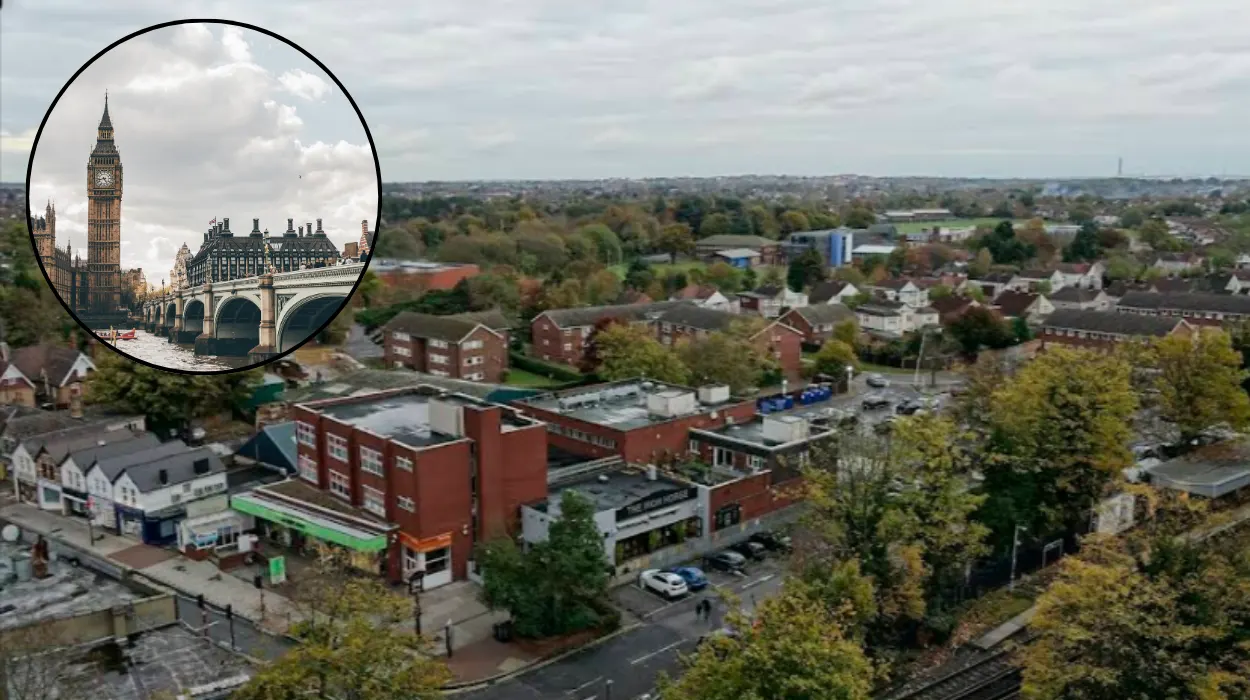
Sidcup offers a perfect blend of suburban charm, rich history, and modern conveniences in southeast London. Nestled in the London Borough of Bexley, this area appeals to families, history enthusiasts, and commuters seeking a peaceful escape from central London’s hustle.
Sidcup’s Historical Roots
Sidcup began as a tiny hamlet on the ancient road from Maidstone to London, with records dating back to the 1450s when Thomas de Sedcopp owned the estate. By the late 18th century, it featured a small street of houses and the popular Black Horse inn, as noted by historian Edward Hasted. The area evolved into the Sidcup Urban District in 1908, renamed from Foots Cray, and merged into Greater London in 1965, transitioning from Kent to the Borough of Bexley.
Victorian and Edwardian homes still dot the landscape, remnants of grand estates like Frognal House, birthplace of Thomas Townshend, 1st Viscount Sydney, and Lamorbey House, now part of Rose Bruford College. Sidcup Place operates as a bar and restaurant, preserving its manor heritage. A £1.8 million regeneration in 2014 revitalized the High Street, enhancing its appeal as a district center.
Geography and Neighborhoods
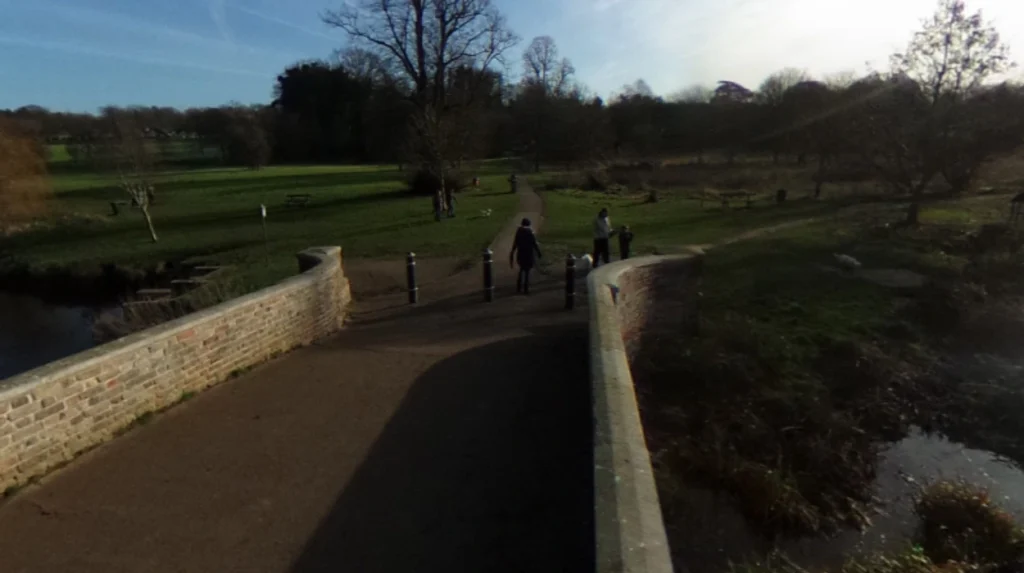
Sidcup spans 11.3 miles southeast of Charing Cross, bordering Blackfen, Albany Park, Foots Cray, Chislehurst, New Eltham, and Avery Hill. Most lies in Bexley, but northern parts like Southspring fall under the Royal Borough of Greenwich. The terrain mixes large period properties with 1930s suburbia and abundant parks echoing former great estates.
Key areas include Sidcup High Street for shopping, Station Road for businesses, and residential spots like Lamorbey and Foots Cray. Proximity to the A2 and A20 Sidcup By-pass ensures easy access, while green spaces provide tranquil spots amid urban London.
Demographics and Community
Sidcup’s 2021 population stands at around 15,400, with 18.5% aged 65+, higher than Bexley’s average. The non-white population is 18.1%, led by Asian or Asian British at 7.0%; White British forms the majority at about 52% in sampled areas. Christianity claims 48.5%, with 38.8% reporting no religion, and separation/divorce rates slightly above borough norms at 11.0%.
Households number 6,535, with a density of 3,864 people per km². The community thrives through events like the Sidcup Symphony Orchestra and anti-knife crime initiatives by the Rob Knox Foundation following the 2008 tragedy. Schools and colleges foster a family-oriented vibe.
Top Attractions and Things to Do
Sidcup Leisure Centre on Hurst Road boasts two pools, a gym, and fitness classes for all ages. Parks abound, including those near historic manors, ideal for walks and picnics. The High Street buzzes with independent shops, cafes, and pubs like Sidcup Place, perfect for casual dining.
Cultural hubs include Rose Bruford College of drama and Bird College, producing talents like Lake Bell. Sports fans enjoy Sidcup Sports Club for rugby and cricket, plus nearby Canada Heights for motorcycling. Queen Mary’s Hospital adds community health services.
- Explore Lamorbey Park for scenic trails and events.
- Visit Foots Cray for riverside beauty.
- Shop at Sidcup High Street markets.
- Catch a show at local theaters tied to drama colleges.
Education and Healthcare Excellence
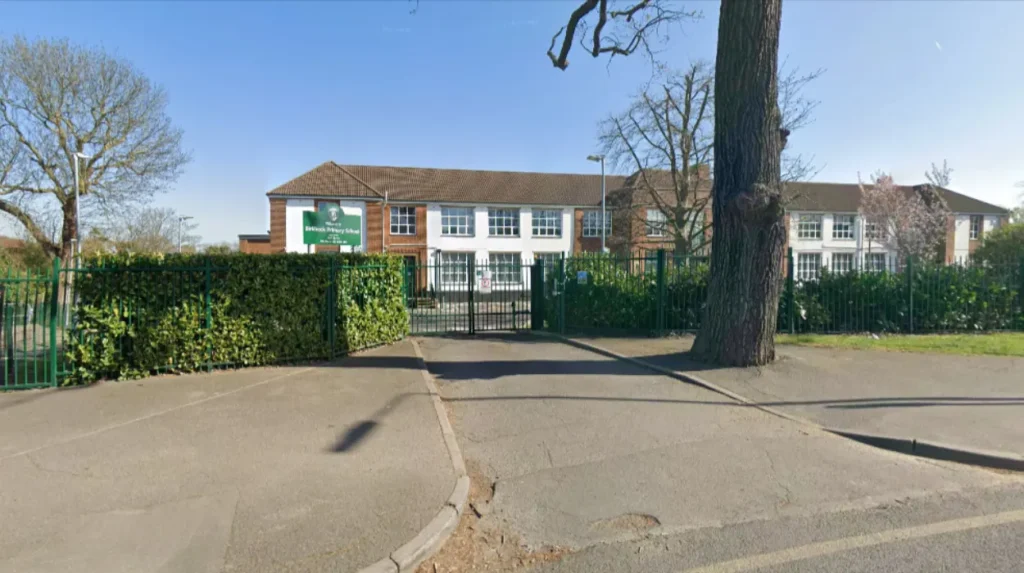
Primary schools like Birkbeck, Burnt Oak Junior, and Holy Trinity Lamorbey serve young families. Secondaries include Chislehurst and Sidcup Grammar School, Cleeve Park, and Hurstmere. Tertiary institutions: Bird College, Christ the King Sixth Form, and Rose Bruford College attract aspiring performers.
Healthcare roots trace to Sidcup Cottage Hospital (1882-1974), now Barnard Medical Practice. Queen Mary’s Hospital, opened 1917 for war veterans under Sir Harold Gillies, reopened as a general facility in 1930 and modernized in 1965, now managed by Oxleas NHS Trust.
Transport Connections
Sidcup railway station, opened 1866 on the Dartford Loop Line, offers Southeastern trains to London Charing Cross and Gravesend. The A211 runs through High Street, linking to A20 Sidcup By-pass and B2173. A2’s East Rochester Way aids Blackwall Tunnel access.
Buses like 51, 160, 229, 233, 269, 286, 321, 492, B14, R11, and SL3 connect to Bexleyheath, Bromley, Greenwich, and beyond. Commuters reach central London swiftly.
Famous Residents and Cultural Impact
Sidcup birthed stars like Quentin Blake (illustrator), John Paul Jones (Led Zeppelin), Kate Bush (via schooling), and Charlie Chaplin (early residence). Others: Steve Backley (Olympian), Sam Bailey (X Factor winner), Angela Barnes (comedian).
Politicians include Gareth Bacon; authors like Douglas Macmillan founded cancer support here. Fictional nods: Harold Pinter’s The Caretaker and P.G. Wodehouse’s Roderick Spode, Earl of Sidcup. Eric Clapton links via grandparents’ musician home.
Living in Sidcup Today
Sidcup suits families with top schools, parks, and low crime relative to London averages. Property mixes Victorian semis with modern builds, averaging accessible prices for South London. High Street regeneration boosts local economy with eateries and services.
Commuter appeal shines with quick rail links, while green spaces and clubs enhance lifestyle. Events like Rob Knox Film Festival unite residents. Sidcup embodies South London’s best: history, community, convenience.