East Wickham offers a peaceful suburban escape in South London’s Bexley borough, blending ancient roots with modern family living. This evergreen guide explores its history, attractions, and lifestyle for locals and newcomers alike. Perfect for those searching “East Wickham South London guide” or “things to do in East Wickham Bexley.”
Ancient Origins and Roman Ties
East Wickham’s name likely derives from the Latin “vicus,” suggesting a Roman settlement along Watling Street, with records dating to “Estwycham” in 1284. The area formed part of Plumstead manor in the Domesday Book, centered on St Michael’s Church, a 13th-century chapel of ease on the pilgrim route to Canterbury.
It became an independent civil parish in 1854 within Dartford Rural District, remaining rural until absorbed into Bexley Urban District in 1902. Large-scale housing boomed from 1916, transforming farmland into suburbia amid Greater London’s 1965 formation.
Positioned 10.5 miles east-southeast of Charing Cross, East Wickham sits north of Welling, east of Shooter’s Hill, and southwest of Abbey Wood.
Suburban Growth in the 20th Century
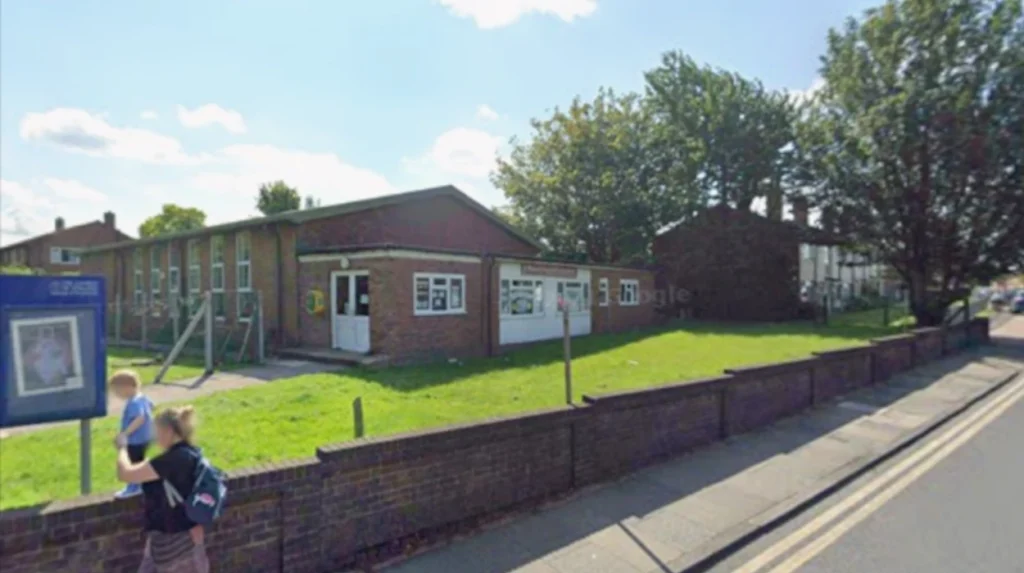
Post-WWI development accelerated, with Welling—a former East Wickham manor part—expanding via railways and roads. By the 1930s, population surges prompted a new St Michael’s Church in Neo-Romanesque style by Thomas Ford, alongside the old chapel now used by Greek Orthodox worshippers.
WWII left marks, like bomb rubble in local open spaces, leveled post-war for parks. Today, it reflects Bexley’s outer London character: green ridges from Shooter’s Hill to the Thames, with Watling Street (A207) as a historic spine.
Springfield Road exemplifies local sacrifice, losing many men in WWI, highlighting community resilience.
Vibrant Community Today
East Wickham ward boasts a 2021 population of 15,918, with 48.5% female and 51.5% male. Age groups show 21.4% under 18, 61.3% working-age (18-64), and 17.4% over 65, supporting family-friendly vibes.
Ethnic diversity includes 70.5% White, 16.2% Asian, 6.9% Black, and 2.9% Mixed. Most residents (76.5%) were UK-born, with small EU (6.4%) and Asian (10%) contingents. Part of Bexley’s 246,475 total, it enjoys low density amid parks.
Community events thrive, like St Mary’s Fun Day on Shoulder of Mutton Green and litter picks by locals.
Iconic Landmarks and Green Spaces
St Michael’s East Wickham stands as the historic heart, with its 1930s nave, aisles, and apsidal chancel on Upper Wickham Lane. The site hosts worship since the 12th century, expanding for interwar growth.
East Wickham Open Space spans 28 hectares of parkland, grassland, copses, ponds, and ditches—former farmland from 1284, now a Green Chain Walk segment. Access via Wickham Street or Bournewood Road; no facilities, but ideal for walks near buses 51, 96, 422.
Bexleyheath nearby offers libraries and shops, tying into the area’s everyday charm.
Education and Family Amenities
East Wickham Primary Academy on Wickham Street earns “Outstanding” Ofsted ratings, serving families with strong academics. St Michael’s East Wickham CE Primary links to the church, emphasizing community values.
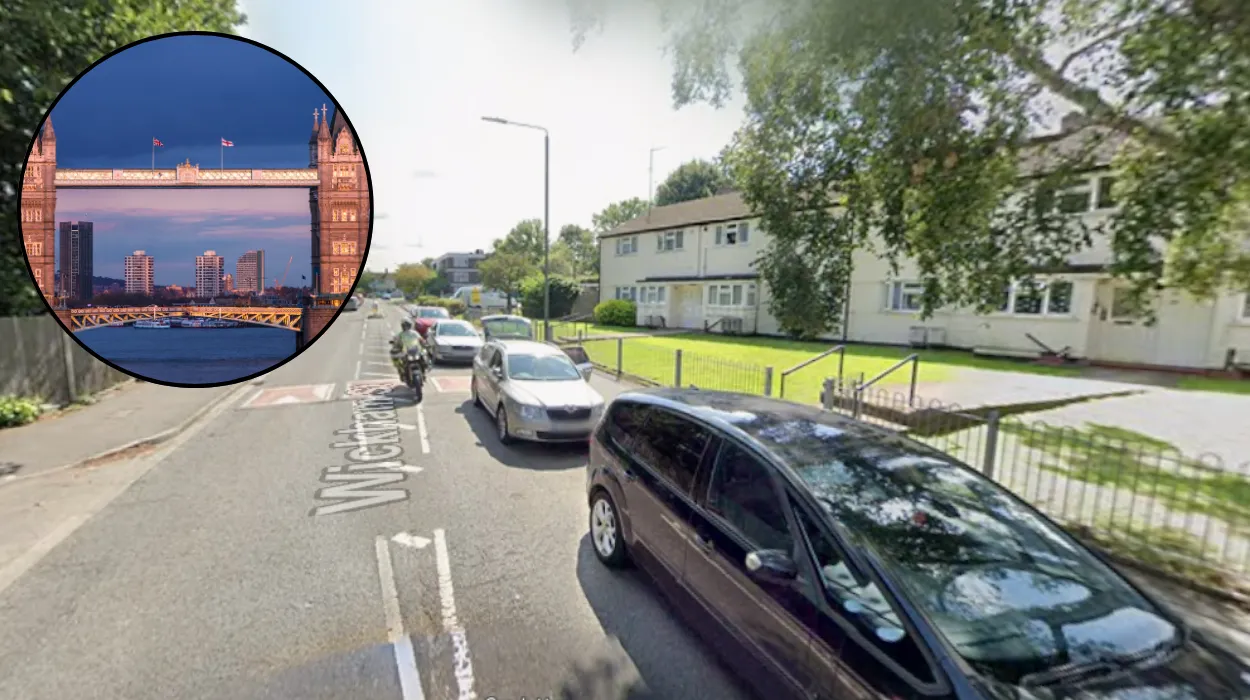
Local shops cluster in Welling and Bexleyheath, with supermarkets, takeaways, and uniform stores like Caseys in Blackfen. Community efforts include safer neighborhood panels and housing like Whiting Close.
Seamless Transport Connections
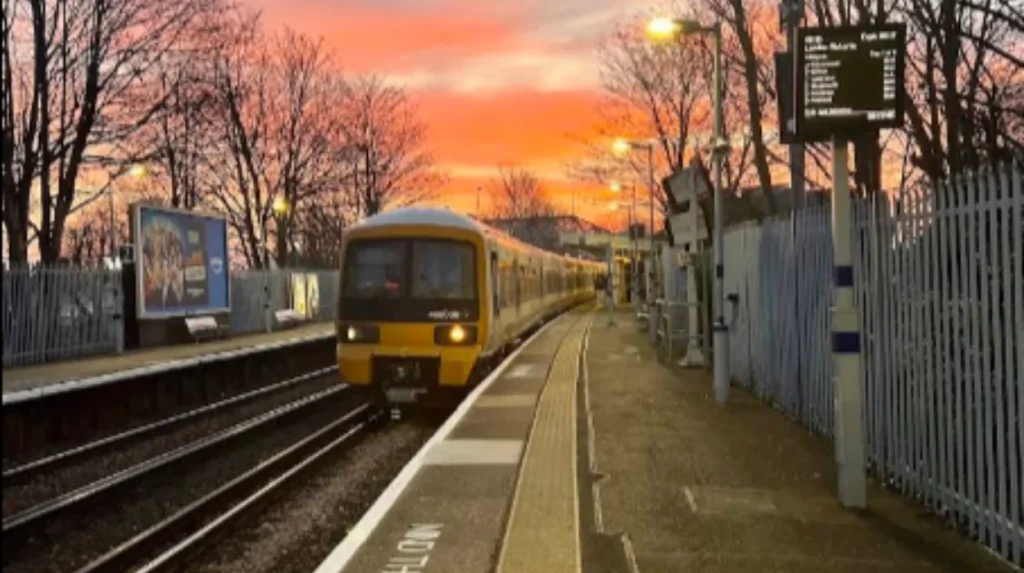
Buses link to Bexleyheath, Woolwich, Abbey Wood, Eltham, and North Greenwich. Nearest rail is Welling station on Bexleyheath Line, with Elizabeth Line at Abbey Wood.
A207 (Watling Street) and A2 provide road access; walking (24%) and buses (12%) dominate, though cars rule at 57%. Green Chain paths enhance cycling and foot travel.
Lifestyle and Living in East Wickham
Families favor terraced and semi-detached homes from early 20th-century builds, with owner-occupancy high in Bexley (78%). Proximity to parks suits outdoor lovers; low crime via neighborhood watches.
Notable resident Kate Bush, the singer-songwriter, adds cultural flair. Amenities support daily life: events, sports fields, and Thames Gateway regeneration.
Property appeals for affordability versus central London, with gardens and parking. (Note: West Wickham insights inform similar Bexley trends.)
Why East Wickham Endures
This South London enclave balances heritage, green escapes, and connectivity for evergreen appeal. From Roman echoes to modern suburbia, it thrives as a family haven. Explore St Michael’s, stroll open spaces, or join community fun—East Wickham delivers timeless charm.