Lambeth, a historic borough in South London, has connections with British literature through its theatres, historic streets, cultural institutions and associations with notable writers. Visitors exploring Lambeth discover literary heritage linked to William Shakespeare, Charles Dickens, William Blake and other figures whose lives and works shaped English literature.
- How Is Lambeth Connected to London’s Literary History?
- Which Lambeth Landmark Has the Strongest Connection to Charles Dickens?
- What does Dickens’s writing reveal about Victorian Waterloo?
- Can visitors experience Dickens’s legacy at the Old Vic today?
- Where Can Visitors Explore Lambeth’s Shakespearean Heritage?
- Which historic Lambeth theatres staged Shakespeare?
- How can visitors investigate Shakespeare’s Lambeth connections?
- Where Did William Blake Live in Lambeth?
- What is the significance of Blake’s time on Hercules Road?
- How can visitors follow Blake’s literary trail?
- What Can Visitors Discover at Lambeth Palace Library?
- How Does Lambeth Archives Help Visitors Research Famous Writers?
- What can literary researchers find in the archive?
- How should visitors plan an archival research visit?
- Which Literary Walks Can Visitors Take Around Lambeth?
- What is a practical route for first-time visitors?
- How can visitors combine literary landmarks with local history?
- Which Other Literary Connections Can Visitors Find in Clapham?
- How Can Visitors Plan a Literary Heritage Trip Around Lambeth?
- Which locations should visitors prioritise?
- When is the best time to visit Lambeth’s literary landmarks?
- How does Lambeth’s literary heritage remain relevant today?
- Where Should Visitors Start Exploring Lambeth’s Literary Heritage?
How Is Lambeth Connected to London’s Literary History?
Lambeth’s literary heritage reflects South London’s development through theatre, publishing, religious institutions and urban life. Its connections include historic performance venues, writers associated with nearby districts and landmarks that help visitors understand how London influenced British literature across different historical periods.
Lambeth sits on the south bank of the River Thames, opposite central London. The modern London Borough of Lambeth includes neighbourhoods such as Waterloo, Kennington, Brixton, Clapham and Streatham. Each has a distinct history, but Waterloo and the riverside area provide particularly useful starting points for visitors interested in London’s literary and theatrical culture.
The borough’s literary significance comes from more than the homes of individual authors. London streets, public institutions, theatres and working-class neighbourhoods feature prominently in British writing. Lambeth’s position beside Westminster and the historic City of London placed it within the wider cultural network that shaped writers, playwrights, journalists and readers.
The distinction between a documented literary landmark and a broader cultural connection is important. Some places have direct links to named authors. Others help explain the theatrical and social environment in which literature developed. Visitors should check the historical evidence for each site rather than assuming every historic building has a famous writer associated with it.
Lambeth also forms part of a wider London literary landscape. The nearby South Bank, Westminster and Covent Garden contain theatres, libraries and historic locations connected with authors and dramatic performance. Exploring these areas together provides a fuller picture of the capital’s literary history.
Which Lambeth Landmark Has the Strongest Connection to Charles Dickens?
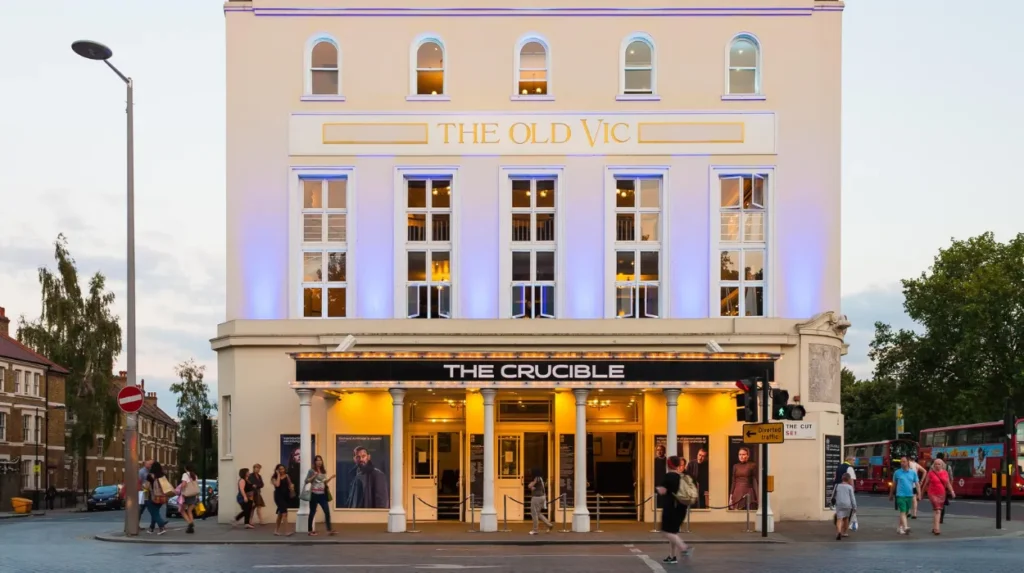
The Old Vic Theatre in Waterloo provides one of Lambeth’s clearest connections to Charles Dickens. In 1850, Dickens wrote about the Victoria Theatre and its audiences, documenting the entertainment culture of a rapidly changing South London neighbourhood.
Charles Dickens (1812–1870) was an English novelist and social commentator known for works including Oliver Twist, David Copperfield and A Christmas Carol. His writing frequently examined poverty, class divisions, employment and urban life in nineteenth-century Britain.
The Old Vic, at 103 The Cut, Waterloo, has a documented connection to Dickens through his journalism. In 1850, he wrote about the Victoria Theatre in an article titled The Amusements of the People. His account described the theatre and the people who attended it, providing a contemporary record of popular entertainment in the area.
The connection is especially relevant to literary visitors because Dickens did not simply write about imaginary characters. He also observed the social conditions and public spaces of Victorian London. His journalism provides historical evidence of how entertainment venues served working-class audiences.
What does Dickens’s writing reveal about Victorian Waterloo?
Waterloo developed within a wider urban landscape of transport links, commercial activity and working-class neighbourhoods. Dickens’s observations of the Victoria Theatre help researchers understand the relationship between popular entertainment and everyday life.
His 1850 article refers to Joe Whelks, a character associated with the New Cut in Lambeth, and discusses attitudes towards reading and entertainment. Such descriptions demonstrate Dickens’s interest in literacy, leisure and access to culture.
Visitors should distinguish between a writer’s documented visit or reference and a location that directly inspired a novel. The Old Vic’s association with Dickens is supported by his writing about the theatre, but that does not establish that every nearby street or building appears in his fiction.
Can visitors experience Dickens’s legacy at the Old Vic today?
The Old Vic remains a working theatre with a programme of modern and classical drama. Its performances provide a direct way to explore the continuing relationship between literature and live performance.
The theatre also stages adaptations of literary works. Its production of A Christmas Carol, adapted for the stage by Jack Thorne, connects a contemporary audience with Dickens’s 1843 novella. The production has become a recurring feature of the theatre’s seasonal programme, although dates and availability vary by year.
Visitors should check the official theatre programme before travelling. A performance ticket does not automatically provide access to backstage areas or a historical tour.
Where Can Visitors Explore Lambeth’s Shakespearean Heritage?
Lambeth’s Shakespearean heritage is most visible through its historic theatres, especially the Old Vic, where director Lilian Baylis helped establish a major Shakespeare tradition in the early twentieth century. Archival records also document performances at former Lambeth venues.
William Shakespeare (1564–1616) was an English playwright and poet whose tragedies, comedies and histories remain central to English-language theatre. His association with Lambeth is primarily theatrical rather than a documented claim that he lived in the borough.
The Old Vic played a significant role in bringing Shakespeare’s plays to broad audiences. Lilian Baylis took over the Victoria Theatre in 1912 and developed its programme. In 1914, the theatre established the Old Vic Shakespeare Company, contributing to a revival of classical drama in London.
This history makes the theatre relevant to visitors researching the relationship between Shakespeare’s writing and modern performance.
Which historic Lambeth theatres staged Shakespeare?
Historical records identify several venues that contributed to Shakespearean performance in Lambeth.
The Royal Coburg Theatre, an earlier name associated with the theatre now known as the Old Vic, hosted unusual adaptations and productions of Shakespeare’s plays. Astley’s Amphitheatre also staged Shakespeare-related entertainment, including a production of Richard III featuring a horse as a major attraction. These examples illustrate how nineteenth-century entertainment often combined dramatic literature with spectacle.
Later productions expanded Shakespeare’s presence in the borough. The Old Vic became a significant centre for serious drama, while Streatham Hill Theatre hosted notable productions during the 1930s. Performers associated with these wider theatrical traditions included Laurence Olivier, John Gielgud and Paul Robeson.
These records are useful for understanding how Shakespeare moved beyond elite literary culture into commercial theatres and public entertainment.
How can visitors investigate Shakespeare’s Lambeth connections?
Lambeth Archives offers an important starting point for documentary research. Its collections include historical records, photographs, playbills and material relating to the borough’s cultural institutions.
A researcher investigating Shakespearean performances can use these records to establish when a production took place, which theatre hosted it and how a particular interpretation differed from the original play.
Lambeth’s Shakespearean history also connects to wider discussions of representation and access to the stage. In the 1820s, Ira Aldridge became the first Black actor known to perform the role of Othello at the Old Vic, according to material highlighted by Lambeth’s heritage programme. Paul Robeson performed the role at Streatham Hill Theatre in 1930.
These events provide an additional dimension to a literary visit by showing how Shakespeare’s work has been interpreted by performers from different backgrounds and generations.
Where Did William Blake Live in Lambeth?
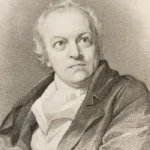
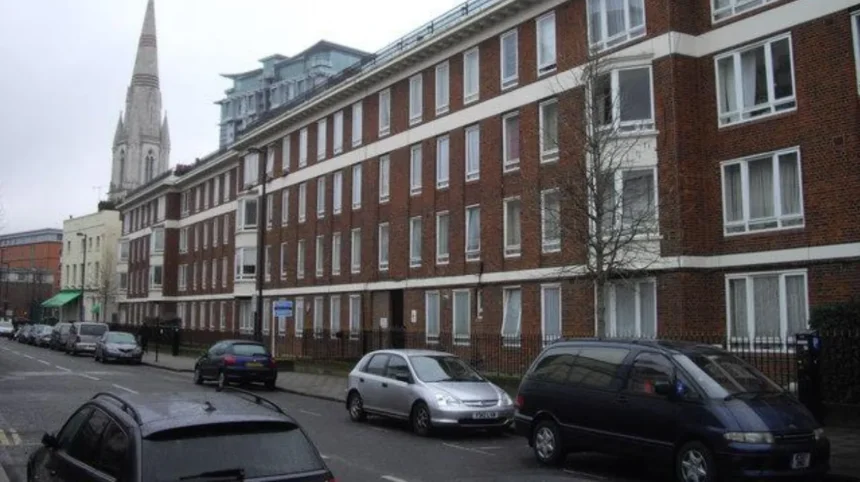
William Blake lived on Hercules Road in Lambeth during the late eighteenth century. The poet, artist and printmaker produced important work during his time in the area, making Hercules Road a significant location for visitors exploring the borough’s Romantic literary heritage.
William Blake (1757–1827) was an English poet, painter and printmaker whose writing combined religious symbolism, social criticism and imaginative visions. His best-known works include Songs of Innocence, Songs of Experience and The Marriage of Heaven and Hell.
Blake’s connection to Lambeth is more direct than a general association with London’s literary scene. Lambeth Council’s local history account identifies Hercules Road as a place where he lived and notes that he published Songs of Experience during his time in the area.
The location is particularly relevant for visitors interested in Romanticism, an artistic and literary movement that placed emphasis on imagination, emotion, individual experience and challenges to established ideas.
What is the significance of Blake’s time on Hercules Road?
Blake lived in Lambeth during a period of substantial change in British society. The late eighteenth century brought political debate, religious controversy and new ideas about human rights, industrialisation and social organisation.
His poetry challenged established authority and examined the relationship between innocence, experience, freedom and oppression. Songs of Experience, published in 1794, includes poems such as The Tyger and London, which remain widely studied in schools and universities.
Blake’s London presents a critical view of the city’s institutions and social conditions. The poem is not simply a guide to a specific street. It reflects broader concerns about poverty, power and restrictions on human freedom.
Hercules Road therefore offers a geographical starting point for exploring the environment in which Blake worked. Visitors should not assume that a surviving building on the street is his original residence unless reliable historical evidence confirms the address.
How can visitors follow Blake’s literary trail?
Start by locating Hercules Road and observing the surrounding streets and buildings. The area provides a practical introduction to Lambeth’s historical geography and its proximity to the Thames, Westminster and central London.
Pair the walk with a reading of Songs of Experience or a collection of Blake’s poetry. Reading the texts alongside an understanding of his life helps explain the relationship between his artistic ideas and the social conditions of his period.
For deeper research, Lambeth Archives provides historical resources relating to the borough and its residents. Its collections include local records, images and documents that support investigations into the history of individual streets and buildings.
Visitors should approach Blake’s legacy as both literary and visual. His illuminated books combine poetry with handmade images, making his work an important part of the history of British art as well as literature.
What Can Visitors Discover at Lambeth Palace Library?
Lambeth Palace Library is the historic library of the Archbishops of Canterbury and an important research institution for English ecclesiastical and cultural history. Founded in 1610, it preserves manuscripts and historical documents that help researchers investigate literature, religion and Britain’s intellectual past.
Lambeth Palace has served as the London residence of the Archbishops of Canterbury for nearly eight centuries. Its library, founded in 1610, contains historical material dating from the ninth century onwards. The collections focus on the history of the Church of England but also cover art, architecture and political affairs.
For literary historians, the value of an archive extends beyond books written by famous authors. Letters, manuscripts, institutional records and historical documents help establish how people communicated, how ideas circulated and how religious and political institutions influenced writing.
What historical documents are preserved at the library?
The library holds collections covering different periods of English history. These include manuscripts, printed works and records relevant to the development of religious thought and public life.
Such material provides evidence for research into the intellectual environment surrounding English writers. Religious controversies, political developments and changing attitudes towards authority influenced poetry, drama and prose across several centuries.
Lambeth Palace Library also contributes to wider research into Shakespeare’s life and historical context. Its holdings include documents used by the Shakespeare Documented project, which brings together primary evidence about the playwright and his career.
Researchers should distinguish between a document held at the library and a document written by a particular literary figure. The library’s significance lies in the evidence its collections preserve, not in an assumption that every famous writer’s personal papers are held there.
Can tourists visit Lambeth Palace Library?
The library serves researchers and supports access to its historical collections. Access arrangements depend on the purpose of the visit, the material requested and the institution’s current visitor policies.
Literary tourists should check the official library website before travelling to confirm opening arrangements, research access and any exhibitions or public events. The library is not simply a general walk-in tourist attraction.
The surrounding Lambeth Palace conservation area also offers architectural and historical context. Lambeth Council identifies the area as containing medieval palace buildings, the former St Mary’s Church site, Victorian buildings associated with St Thomas’ Hospital and historic development along Lambeth Road.
This setting helps visitors connect literary research with the wider history of religion, education, public institutions and the built environment.
How Does Lambeth Archives Help Visitors Research Famous Writers?
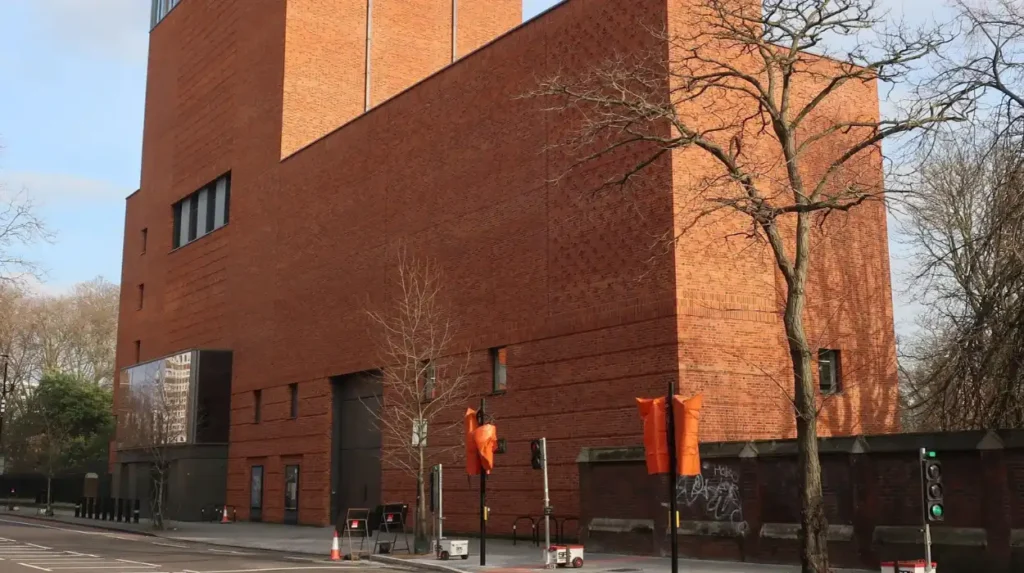
Lambeth Archives is the borough’s local record office and local studies library. Its collections include historical photographs, maps, documents and records dating back to the sixteenth century, supporting research into William Blake, historic theatres and Lambeth’s literary communities.
Located on Brixton Hill, Lambeth Archives collects material about the borough’s people, buildings, organisations and cultural development. Its collections provide a valuable resource for anyone seeking evidence of Lambeth’s connections with writers and performers.
Unlike a conventional tourist attraction, an archive allows visitors to investigate historical claims directly. A researcher can examine records associated with a particular theatre, street or person rather than relying entirely on general summaries.
What can literary researchers find in the archive?
The archive holds documents from local government, schools, churches, businesses, estates and cultural organisations. It also preserves photographs, maps, artworks and artefacts relating to Lambeth’s development.
For literary research, these collections help answer practical historical questions. A theatre programme establishes what a venue staged on a particular date. A historic map identifies the location of a street or building. A photograph documents the appearance of a site at a particular point in time.
Researchers investigating the Old Vic’s Shakespearean history can use archival records to trace productions and changing theatrical traditions. Those exploring William Blake’s time in Lambeth can investigate the historical geography of Hercules Road and the surrounding neighbourhood.
The archive also supports family and house history research, making it useful for visitors investigating the relationship between writers and the homes or communities associated with them.
How should visitors plan an archival research visit?
Begin with a focused question, such as which theatre hosted a particular Shakespeare production or what evidence survives about Blake’s residence in Lambeth. A clear research question helps archive staff identify relevant catalogues and collections.
Check opening hours and access arrangements before travelling. Some materials require advance requests, and not every item is available for immediate consultation. Researchers should also check whether photography, copying or reproduction is permitted for the material they intend to use.
For visitors with limited time, an archive visit works well alongside a walk through Waterloo, Hercules Road or another historically relevant part of the borough. This combination connects documentary evidence with the physical locations described in historical records.
Which Literary Walks Can Visitors Take Around Lambeth?
Visitors can explore Lambeth’s literary heritage on foot by connecting Hercules Road, Waterloo’s theatrical district and selected historic sites along the Thames. A route combining William Blake’s association with Lambeth and the Old Vic’s literary history provides a practical introduction to the borough.
A literary walk is a self-guided route that connects places associated with writers, books, theatres or historical events. In Lambeth, the most useful walks combine verified literary connections with the wider urban setting in which authors and audiences lived.
What is a practical route for first-time visitors?
Begin in Waterloo, where the Old Vic stands on The Cut. Examine the theatre’s history and its documented links to Dickens and Shakespearean performance.
Continue towards Hercules Road to explore the area associated with William Blake. Allow time to consider the difference between a surviving historic location and a modern street whose appearance has changed substantially since the eighteenth century.
If time permits, extend the visit towards Lambeth Palace and the riverside. The palace’s long history and the nearby historic buildings add context to the development of South London.
The route works best as a flexible walk rather than a claim that every stop is a writer’s former home. Some sites have direct author connections, while others help explain the borough’s cultural and historical setting.
How can visitors combine literary landmarks with local history?
Lambeth’s streets reflect several centuries of change. Medieval religious institutions, eighteenth-century literary activity, nineteenth-century theatres and modern cultural venues occupy the same broad urban landscape.
As you explore these modern streets, you are crossing land with a deep heritage. Read the full [Lambeth History and Heritage: From Medieval Origins to Modern South London] to understand its origins.
This historical background adds context to a literary walk. It explains how transport, housing, public entertainment and religious institutions influenced the neighbourhoods in which writers lived and worked.
Visitors should also allow time for ordinary details such as street layouts, building dates and changes in land use. These features help explain why a literary location looks different today from its appearance in a historical account.
Which Other Literary Connections Can Visitors Find in Clapham?
Clapham Common and its surrounding streets form another important part of Lambeth’s literary landscape. The Clapham Literary Walk explores writers associated with the neighbourhood, connecting literary biography, local history and the physical setting of South London’s historic residential streets.
Clapham offers a different experience from Waterloo’s theatres and Hercules Road’s association with William Blake. Its literary connections relate to the people who lived in the neighbourhood and the development of London’s residential communities.
The Clapham Literary Walk, organised through the Clapham Book Festival, examines writers who lived in Clapham and their works. A previous council listing described a two-hour walk around Clapham Common led by crime writer Julie Anderson. The route demonstrates how local streets and open spaces help explain the lives of literary figures.
What is the Clapham Book Festival?
The Clapham Book Festival is a literary event organised by Clapham Writers, a registered charity. Its programme includes author discussions, literary activities and opportunities to explore the neighbourhood’s writing heritage.
The festival provides a connection between historical literature and contemporary authors. Visitors interested in crime fiction, historical writing and biography can discover how writers continue to use London neighbourhoods as settings and subjects.
The 2026 festival is scheduled for 17 October at Omnibus Theatre in Clapham, with a literary walk included in the morning programme. Visitors should consult the official festival website for ticket availability and event arrangements.
Why include Clapham in a Lambeth literary itinerary?
Clapham adds a residential dimension to a visit focused on authors and literature. Its common, surrounding streets and historic houses provide context for understanding how London’s neighbourhoods developed as places to live, work and write.
Visitors can combine a walk around Clapham Common with a visit to Omnibus Theatre or a local independent bookshop. This approach links historic literary associations with contemporary cultural activity.
The neighbourhood is particularly useful for travellers who want to explore beyond central London’s major tourist attractions. It also demonstrates that literary heritage exists in residential districts, not just in famous museums, memorials and theatres.
Explore More Area Guide
Lambeth Attractions: Explore South London’s Multicultural History
Lambeth’s Caribbean Heritage: Museums, Brixton and Black History
How Can Visitors Plan a Literary Heritage Trip Around Lambeth?
Visitors can plan a Lambeth literary trip by combining the Old Vic Theatre, Hercules Road, Lambeth Archives and selected historic sites. Checking opening hours, research access and event schedules before departure helps visitors distinguish accessible attractions from locations best explored externally.
A successful literary itinerary should prioritise documented connections rather than attempting to visit every historic building in the borough. The Old Vic provides a theatre-based introduction, Hercules Road connects visitors with William Blake, and Lambeth Archives supports more detailed historical research.
Which locations should visitors prioritise?
The most suitable stops depend on the visitor’s interests and available time.
- For Dickens enthusiasts: Start at the Old Vic and investigate Dickens’s 1850 account of the Victoria Theatre.
- For poetry enthusiasts: Explore Hercules Road and read selected poems from William Blake’s Songs of Experience.
- For historical researchers: Arrange a visit to Lambeth Archives to investigate local records, photographs and maps.
- For Shakespeare enthusiasts: Explore the Old Vic’s performance history and research historic productions through archival material.
- For contemporary literary culture: Check the Clapham Book Festival programme and independent bookshops in the area.
These stops provide different forms of evidence. A theatre documents performance history, a street establishes geographical context, and an archive provides historical records. Combining them creates a more complete understanding of Lambeth’s literary connections.
When is the best time to visit Lambeth’s literary landmarks?
Daytime visits are practical for exploring streets, examining buildings and attending archive appointments. Theatre visits depend on scheduled performances, while festivals and literary walks operate according to published event calendars.
Visitors should check official websites before setting out, particularly when planning access to Lambeth Palace Library, Lambeth Archives or a theatre performance. Outdoor locations remain suitable for self-guided exploration, but the availability of indoor facilities varies.
A half-day itinerary works well for Waterloo and Hercules Road. Visitors with a full day can include an archive appointment or extend their exploration towards Clapham Common.
How does Lambeth’s literary heritage remain relevant today?
Lambeth’s literary history remains relevant through theatre, archival research, local festivals and the continued study of writers such as Dickens, Shakespeare and Blake.
These connections also support cultural tourism. Literary visitors spend time in neighbourhoods, attend performances, explore bookshops and use public cultural institutions. This activity helps sustain interest in local history and creates opportunities for educational visits.
The borough’s archives preserve evidence that supports future research into historical buildings, neighbourhoods and cultural communities. Theatre programmes and literary events also demonstrate how historic works continue to reach new audiences.
For visitors, the main value of Lambeth’s literary heritage lies in the relationship between authors and place. The borough provides documented locations, cultural institutions and historical records that help explain how literature developed within the wider story of London.
Where Should Visitors Start Exploring Lambeth’s Literary Heritage?
Lambeth’s literary connections are best explored through a combination of historic streets, theatres and research institutions. The Old Vic provides documented links to Charles Dickens and Shakespearean performance, Hercules Road connects the borough with William Blake, and Lambeth Archives offers resources for investigating local literary history.
Visitors seeking a deeper understanding of South London’s cultural past should prioritise places with verifiable historical associations and use archival evidence to investigate further. Combining a self-guided walk with a theatre visit or literary event provides a practical way to explore the writers, performances and neighbourhoods that shaped Lambeth’s place in London’s literary history.
The result is a literary itinerary grounded in documented history rather than unverified claims about famous authors’ homes or inspirations.
Which famous writers are connected to Lambeth?
William Blake is directly associated with Hercules Road in Lambeth. Charles Dickens documented the Victoria Theatre, now the Old Vic, in 1850. Lambeth’s theatrical history also includes performances of Shakespeare’s plays.