Key Points
- The London Borough of Lewisham is located in south-east London, bordered by Southwark, Bromley, Greenwich, and the River Thames.
- Lewisham features a mix of urban areas and leafy conservation hubs, supported by good transport links, busy markets, and a growing arts scene.
- A 15-year transformation plan is underway in Lewisham town centre, focusing on new homes, shops, and community facilities.
- Key neighbourhoods include Blackheath, Deptford, Brockley, Ladywell, Forest Hill, Sydenham, Catford, New Cross, Lewisham, and Hither Green.
- Notable places of interest are the Horniman Museum and Gardens, Beckenham Place Park, Rivoli Ballroom, Brockley Market, Deptford Market Yard, Hilly Fields, Broadway Theatre, the Catford Cat sculpture, and the Goldsmiths Centre for Contemporary Art.
- Lewisham houses the largest purpose-built police station in Europe, featuring one of the Metropolitan Police’s largest custody suites, stables for horses, and a multi-storey car park.
Lewisham, London (South London News) April 8, 2026 – Ahead of the local elections on Thursday 7 May, the London Borough of Lewisham stands as a diverse south-east London authority blending urban vitality with green spaces, as detailed in comprehensive borough guides produced by local media outlets.
- Key Points
- What Defines Lewisham’s Geography and Location?
- How Would You Describe the Character of Lewisham?
- Which Neighbourhoods Make Up Lewisham?
- What Attractions Draw Visitors to Lewisham?
- What Unique Facts Stand Out About Lewisham?
- Background of the Lewisham Development
- Prediction: How This Development Can Affect Lewisham Residents
What Defines Lewisham’s Geography and Location?
Lewisham occupies a strategic position in south-east London. As outlined in pre-election profiles compiled by regional news services, the borough is bordered by Southwark to the north, Bromley to the south-east, Greenwich to the east, and the River Thames along parts of its northern edge.
This positioning provides residents with proximity to central London while maintaining a distinct suburban character.
Guides ahead of the 7 May local elections, such as those from South London-focused outlets, emphasise Lewisham’s role within Greater London’s 32 boroughs. These resources aim to inform voters on the area’s footprint, noting its extension across approximately 35 square miles of mixed terrain.
How Would You Describe the Character of Lewisham?
Lewisham presents a blend of bustling urban districts and tranquil conservation areas. Reports from election preview series highlight good transport connectivity via Overground, DLR, and National Rail services linking to London Bridge and Canary Wharf. Busy markets contribute to its vibrant street life, while a burgeoning arts scene draws visitors and locals alike.
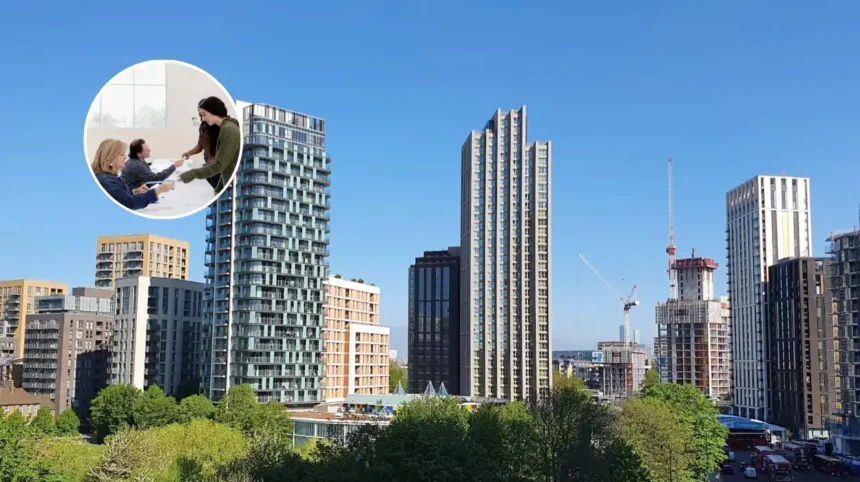
As covered in borough snapshots by local journalism teams, Lewisham’s appeal lies in this duality: dense housing alongside parks and historic sites. A key development is the ongoing 15-year transformation plan for Lewisham town centre.
This initiative, referenced across multiple pre-election guides, introduces new residential units, retail spaces, and community amenities to revitalise the core area.
Which Neighbourhoods Make Up Lewisham?
The borough encompasses a range of distinct communities. Standard profiles list Blackheath, known for its heathland and upscale residences; Deptford, with its creative industries and riverside vibe; Brockley, featuring Victorian terraces and rising popularity; Ladywell, home to community fields; Forest Hill, near the Horniman Museum; Sydenham, with woodland areas; Catford, site of the iconic cat sculpture; New Cross, a student hub around Goldsmiths; central Lewisham; and Hither Green, with its interwar housing.
These neighbourhoods, as detailed in voter guides from London borough coverage series, reflect varied demographics, from young professionals in Deptford to families in Blackheath. Transport hubs like Lewisham station serve as connectors, facilitating daily commutes.
What Attractions Draw Visitors to Lewisham?
Lewisham boasts cultural and recreational landmarks. The Horniman Museum and Gardens in Forest Hill offers natural history exhibits and panoramic views.
Beckenham Place Park provides expansive green space for events. The Rivoli Ballroom in Brockley preserves 1950s glamour for events. Markets like Brockley Market and Deptford Market Yard buzz with street food and crafts.
Other sites include Hilly Fields for Brockley views, Broadway Theatre in Catford for performances, the Catford Cat sculpture as a local landmark, and the Goldsmiths Centre for Contemporary Art in New Cross. These are consistently featured in tourism-infused election profiles by south-east London reporters.
What Unique Facts Stand Out About Lewisham?
Lewisham hosts Europe’s largest purpose-built police station. As reported in official inspections and reiterated in borough guides, this facility in Lewisham includes one of the Metropolitan Police’s largest custody suites, stables for mounted units, and a multi-storey car park.
A 2006 Her Majesty’s Inspectorate of Constabulary report, accessible via justice inspectorate archives, confirms its scale and features, making it a point of local trivia.
This infrastructure underscores Lewisham’s commitment to public safety, a theme in pre-election discussions on council services.
Background of the Lewisham Development
The 15-year transformation plan for Lewisham town centre forms the core development referenced here. Initiated in the early 2010s by Lewisham Council in partnership with developers, it addresses urban regeneration needs identified in local plans.
Phases have included public consultations, funding from central government and private investment, and phased construction starting with transport upgrades around Lewisham station.
Progress reports from council documents track milestones like new housing completions and shop openings, aligning with broader London growth strategies under the mayor’s office.
Prediction: How This Development Can Affect Lewisham Residents
This development can affect Lewisham residents through expanded housing options, potentially easing local demand but increasing population density. New shops may boost retail access and jobs, supporting market traders and small businesses.
Community facilities could enhance public services like libraries or health centres, improving daily life for families in neighbourhoods like Catford and New Cross. Transport integrations might reduce congestion for commuters to central London.
For Blackheath and Forest Hill residents, preserved green spaces amid growth could maintain quality of life, while arts venues benefit from footfall. Overall, voters on 7 May may weigh these changes in council choices.