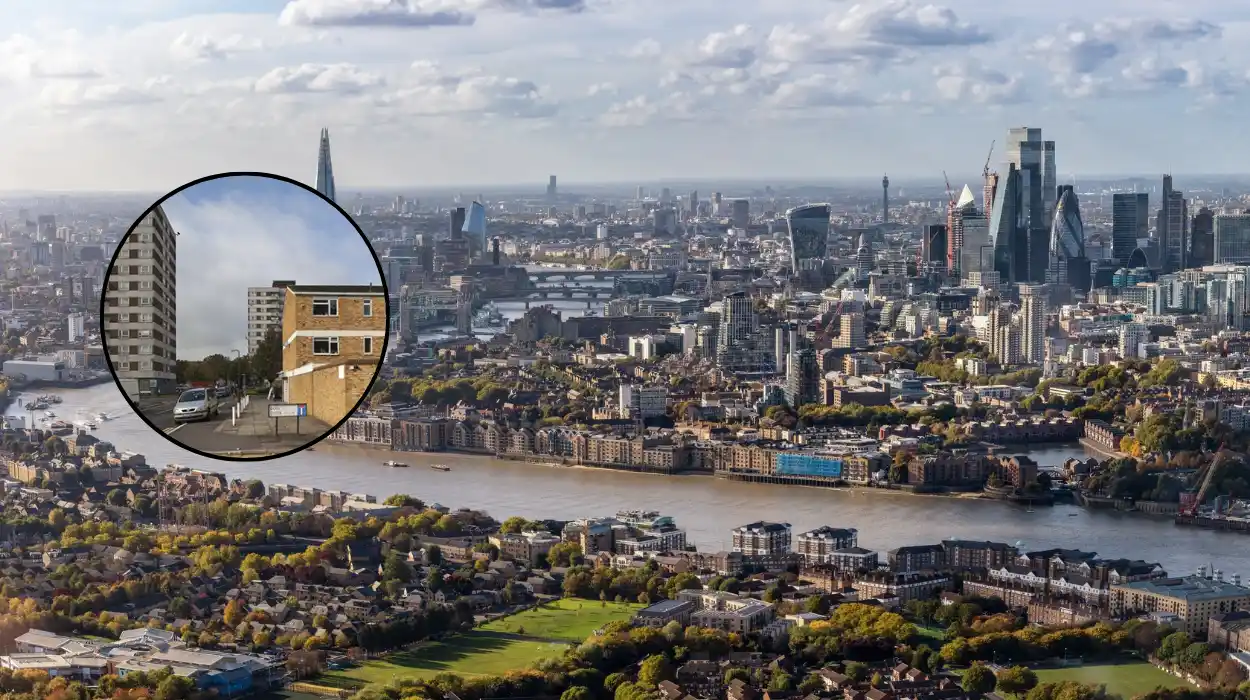
South London’s Merton is a borough rich in history, green spaces, and a unique blend of suburban charm with urban accessibility. From ancient roots along the Wandle Valley to modern-day neighborhoods like Wimbledon, Mitcham, Morden, and Merton Park, Merton offers residents and visitors a tapestry of stories, architecture, and community life that endure beyond trends.
- History and origins
- Medieval foundations and monastic influence
- Borough formation and watershed changes
- Neighborhoods and local character
- Morden and the Wandle Valley
- Merton Park and garden suburbs
- Key landmarks and green spaces
- Cultural life and community spirit
- Urban living, transport, and daily life
- Practical guidance for residents and visitors
- Historical timeline at a glance
- What makes Merton evergreen
History and origins
Merton’s area sits on land that has seen human activity since ancient times, with evidence of Roman and pre-Roman occupation in local sites around the Wandle valley. The name Merton itself appears in historic records as far back as the medieval period, reflecting a long-standing agricultural and ecclesiastical landscape that shaped the parish and later the borough. This deep time perspective helps explain present-day place names, street patterns, and the sense of place that residents identify with today.
Medieval foundations and monastic influence
Merton Priory, established in the early 12th century, played a significant role in the area’s development and in shaping educational and religious life. The priory’s influence extended through the Dissolution in the 1530s, leaving behind a historical footprint that informs local heritage and museums today. Understanding this lineage provides context for how Merton evolved from a collection of parish communities into a coordinated urban borough.
Borough formation and watershed changes
The modern London Borough of Merton was created in 1965, combining Mitcham and Wimbledon with the Merton and Morden urban district. This reorganization transferred the area from the historic county of Surrey into Greater London, consolidating governance, services, and planning under a single borough authority. The name “Merton” emerged as a compromise during debates about the new borough’s identity. This 1960s consolidation explains many of the administrative boundaries and local political dynamics seen today.
Neighborhoods and local character
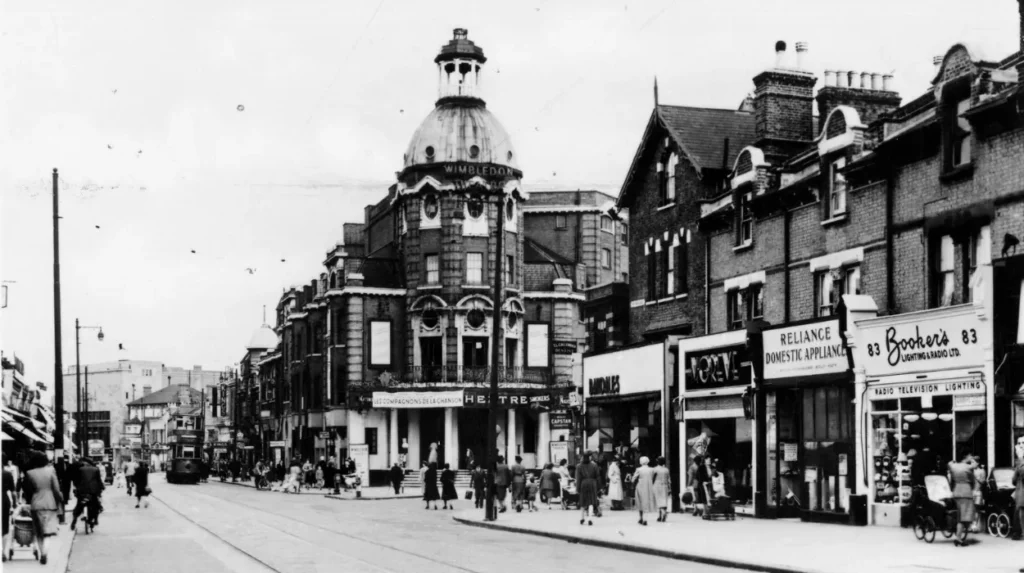
Wimbledon is not only famous for tennis; it is a historic town with medieval roots and a vibrant town center. Architectural heritage ranges from historic pubs and coaching inns to contemporary retail and dining spaces, reflecting a community that values both preservation and modern living. The Wimbledon area also houses notable educational and cultural institutions, contributing to a well-rounded urban village feel.
Mitcham has long been associated with the River Wandle’s industrial and agricultural past. The river’s mills and waterside settings contributed to local economies and helped shape community identity. Today, Mitcham retains a strong community spirit with green spaces, local markets, and family-friendly neighbourhoods that emphasize a balance between heritage and practicality.
Morden and the Wandle Valley
Morden is closely tied to the Wandle Valley’s history and has developed into a diverse, well-connected suburb. Its growth has been punctuated by transport links and access to central London, making it a popular choice for families and professionals seeking calmer streets without sacrificing accessibility.
Merton Park and garden suburbs
Merton Park’s development in the late 19th and early 20th centuries reflects a garden suburb model, with tree-lined avenues and a distinct residential character that remains attractive to buyers who value space, greenery, and a quieter pace of life.
Key landmarks and green spaces
Merton’s landscape includes remnants of historic religious sites and museums that preserve the borough’s medieval and early modern heritage. These landmarks offer educational value for families and history enthusiasts and frequently host local events that celebrate community memory.
The borough is dotted with green spaces, from community parks to larger greens where local sports, picnics, and outdoor fitness flourish. These spaces support a high quality of life, encourage biodiversity, and provide accessible recreation for residents of all ages.
The Wandle Valley’s industrial history, including past mills and water-driven manufacturing, remains an intrinsic part of Merton’s identity. Walking routes along the river offer scenic, educational experiences about local industry and the riverscape that shaped daily life.
Cultural life and community spirit
Merton’s cultural calendar features neighbourhood fairs, street markets, and local arts initiatives that reflect its diverse communities. These events strengthen social ties, support small businesses, and showcase local creativity, contributing to a lively, inclusive borough culture.
Wimbledon’s global tennis fame sits alongside a broad spectrum of sports facilities, libraries, and community education programs that serve residents beyond the sports spotlight. Access to well-regarded schools and universities in and around the borough strengthens its appeal for families and lifelong learners.
Active neighbourhood associations, volunteer groups, and local charities create resilient communities that support vulnerable residents, enhance public spaces, and promote civic engagement. Participation in these networks helps sustain a welcoming, supportive environment.
Urban living, transport, and daily life
Merton’s transport links—rail, tram, and bus connections—offer straightforward access to central London and major employment hubs. This ease of travel makes Merton a practical choice for commuters and a convenient base for remote workers seeking a balanced urban-suburban lifestyle.
The borough features a mix of period homes, garden suburbs, and purpose-built estates, with a range of prices and capacities that cater to different life stages. This diversity supports families, singles, and retirees looking for value and character in their housing.
Local schools and nearby higher education institutions contribute to the borough’s educational breadth, appealing to families prioritizing strong schooling and opportunities for lifelong learning. Residents often highlight the quality of local educational facilities as a key factor in choosing to live in Merton.
Practical guidance for residents and visitors
When exploring Merton for living or investing, consider proximity to Wimbledon town center, Morden’s transport hubs, and Mitcham’s riverfront areas. Look for properties with access to parks and quality schools, and weigh the balance between historic charm and modern amenities.
Emphasizing green spaces, walkable streets, and energy-conscious upgrades can enhance the living experience in Merton. Community-led sustainability initiatives and local council programs offer opportunities for participation and improvement.
For visitors, Wimbledon’s cultural and sporting heritage, Mitcham’s historic industrial sites, and Morden’s riverside walks provide accessible, family-friendly activities. Local libraries, museums, and community centers offer insights into the borough’s layered history and contemporary life.
Historical timeline at a glance
- 967 CE: First recorded mention of Merton
- 1117: Merton Priory established
- 1538: Dissolution and decline of monastic sites
- 1866–1905: Wimbledon Urban District and municipal reforms
- 1965: Creation of the London Borough of Merton
- 21st century: Ongoing regeneration, housing diversification, and cultural programming
What makes Merton evergreen
The borough’s long history—from ancient settlements to medieval priory life—creates a sense of place that remains compelling to new and existing residents. This continuity supports enduring interest in local heritage and community identity.
Easy access to central London combined with substantial green spaces and neighborhood vitality makes Merton a durable choice for families, professionals, and retirees seeking quality of life with practical connectivity.
The borough’s multicultural character and active local organizations foster a welcoming atmosphere where residents feel connected, supported, and engaged in their neighborhoods. This inclusivity helps sustain long-term appeal.
The blend of historic sites, modern amenities, and ongoing development ensures that Merton remains relevant in discussions about urban planning, heritage conservation, and sustainable growth.
South London’s Merton stands as a quintessential example of how historic roots, green spaces, and modern living can coexist in a single borough. Its villages—Wimbledon, Mitcham, Morden, and Merton Park—offer distinct flavors while sharing a common sense of community and resilience. Whether exploring Wimbledon’s historic streets, strolling along the Wandle, or enjoying a family-friendly afternoon in one of the borough’s parks, Merton invites visitors and residents to engage with a living, evolving South London story.