Lambeth is one of South London’s most diverse boroughs, combining busy shopping streets, cultural attractions, historic neighbourhoods and extensive green spaces. Areas such as Brixton, Vauxhall, Waterloo and Streatham attract visitors throughout the year. However, beyond their busy streets, Lambeth offers peaceful parks, landscaped gardens, historic squares and nature reserves where visitors can enjoy quieter surroundings.
- Which Parks Offer the Most Peaceful Surroundings in Lambeth?
- Where Can Visitors Enjoy Quiet Gardens in Lambeth?
- Is Brockwell Park a Good Place to Relax Away From Brixton?
- Where Can Visitors Find Woodland Walks and Natural Scenery in Lambeth?
- What Makes The Rookery One of Lambeth’s Most Relaxing Gardens?
- Which Quiet Parks Are Worth Visiting Near Waterloo and Vauxhall?
- Where Can Visitors Enjoy Peaceful Green Spaces Near Kennington?
- Is Clapham Common Suitable for Visitors Seeking Peace and Quiet?
- Which Small Community Gardens Provide a Quiet Escape in Brixton?
- Where Can Visitors Find Scenic Views Across South London?
- Which Lambeth Green Spaces Are Best for Reading, Picnics and Quiet Breaks?
- How Can Visitors Reach Lambeth’s Peaceful Parks Using Public Transport?
- How Does Lambeth’s History Explain Its Green Spaces?
- Are Lambeth’s Parks Important for Wildlife and Environmental Conservation?
- When Is the Best Time to Visit Lambeth’s Peaceful Places?
- How Can Visitors Choose the Right Relaxing Location in Lambeth?
- Where Are Lambeth’s Best Relaxing Places Located?
- Why Are Peaceful Green Spaces Important to Lambeth’s Visitors?
- Final Thoughts on Finding Relaxing Places Away From Lambeth’s Busy Streets
The London Borough of Lambeth contains more than 78 parks, commons and other public open spaces. These locations provide opportunities for walking, reading, photography, wildlife observation, picnics and outdoor relaxation. Some are large historic landscapes with open meadows and ponds, while others are small gardens surrounded by residential streets.
Visitors looking for relaxing places away from Lambeth’s busy streets can explore Brockwell Park, Ruskin Park, Streatham Common, The Rookery, Norwood Park, Kennington Park and several smaller neighbourhood gardens. Each location offers a different atmosphere and level of tranquillity.
Which Parks Offer the Most Peaceful Surroundings in Lambeth?
Lambeth has several peaceful parks where visitors escape traffic, shopping streets and crowded public areas. Brockwell Park, Ruskin Park, Norwood Park and Streatham Common offer extensive greenery, walking paths, mature trees and quieter spaces for outdoor relaxation.
Public parks are among the most accessible places to enjoy peaceful surroundings in Lambeth. They provide open landscapes within walking or travelling distance of residential neighbourhoods and major transport connections.
The best choice depends on the type of environment visitors prefer. Some parks offer large open lawns, while others contain woodland paths, ornamental gardens, wildlife habitats and secluded seating areas.
Brockwell Park is one of the strongest choices for visitors seeking a combination of open countryside-style scenery and historic surroundings. Located in Herne Hill, the park covers a substantial landscape of rolling lawns, mature trees, ponds and formal gardens.
Ruskin Park offers another attractive setting between Brixton, Camberwell and Herne Hill. Its ornamental pond, mature trees, wildlife area and central gardens create quieter spaces away from surrounding roads.
Norwood Park is particularly suitable for visitors who prefer elevated viewpoints and nature-focused walks. Its position on one of Lambeth’s highest points provides views across South London.
Streatham Common offers extensive open land, woodland, grassland and meadow habitats. Its natural landscape provides a different experience from the more formal gardens found closer to central Lambeth.
These parks are particularly useful for visitors who want to spend an hour or more outdoors without leaving the borough.
Where Can Visitors Enjoy Quiet Gardens in Lambeth?
Visitors can find peaceful gardens throughout Lambeth, including The Rookery in Streatham, St Mary’s Gardens in Waterloo and Eden Nature Garden in Clapham. These smaller green spaces provide landscaped surroundings, seating, plants and opportunities for relaxation.
Lambeth’s gardens offer a more intimate outdoor experience than its larger parks. They often contain carefully maintained planting, ornamental features, historic structures and quieter seating areas.
The Rookery is one of the borough’s most distinctive formal gardens. Situated beside Streatham Common, it contains ornamental ponds, herbaceous flower beds, an orchard, an Old English Garden and a White Garden.
The garden originally formed part of the landscaped grounds of a large private residence. Local residents later raised money to protect the land from redevelopment. It opened to the public in 1913.
Its Grade II listing recognises its historic landscape importance. Visitors can explore the garden’s different planting areas and enjoy a quieter environment surrounded by the larger landscape of Streatham Common.
St Mary’s Gardens provides a smaller relaxation space in Waterloo. Located near Lambeth Palace, the Garden Museum and St Thomas’ Hospital, it contains seating, a central water fountain, ornamental grasses and shrubs.
The garden was created by Lambeth Borough Council in 1932–33 following changes to the road layout near the original Lambeth Bridge.
Another peaceful location is Eden Nature Garden, situated within St Paul’s Churchyard in Clapham. Established in 2000, the garden transformed underused church land into a wildlife-friendly environment where visitors can sit and enjoy nature.
These gardens are useful for short breaks between sightseeing activities. Their smaller scale also makes them suitable for visitors who do not have enough time to explore a large park.
Is Brockwell Park a Good Place to Relax Away From Brixton?
Brockwell Park is an excellent place to relax away from Brixton’s busy streets. Its rolling landscape, historic walled garden, ornamental ponds, mature trees and open meadows provide visitors with several quieter areas for walking, sitting and enjoying nature.
Brockwell Park is located in Herne Hill, close to Brixton and Tulse Hill. Its main entrance is on Norwood Road, London SE24 9BJ.
The park originally formed part of the private estate of John Blades, a prominent London glass merchant. The Metropolitan Board of Works acquired the land during the late nineteenth century and developed it into a public recreational space.
Brockwell Park officially opened to the public in 1892.
Its landscape includes several features that make it suitable for relaxation:
- Walled Garden: A formal garden containing established planting and seasonal flowers.
- Open meadows: Large grass areas suitable for picnics and quiet breaks.
- Ornamental ponds: Water features that add visual interest to the park.
- Mature trees: Established trees provide shaded areas and attractive walking routes.
- Historic architecture: Brockwell Hall and the Tritton Clocktower contribute to the park’s heritage.
Visitors seeking quieter surroundings should explore the garden areas and less crowded paths rather than concentrating around the main recreational facilities.
The park also contains Brockwell Lido, a historic outdoor swimming facility, alongside tennis courts, basketball facilities, playgrounds and a BMX track.
These attractions increase visitor activity in certain sections. However, the park’s extensive landscape provides alternative areas for people seeking a quieter experience.
Brockwell Park is recognised as a Site of Importance for Nature Conservation and holds Green Flag and Green Flag Heritage recognition.
It normally opens at 7.30 am and closes 15 minutes before sunset. Early mornings and weekday visits offer useful opportunities to explore its quieter sections.
Where Can Visitors Find Woodland Walks and Natural Scenery in Lambeth?
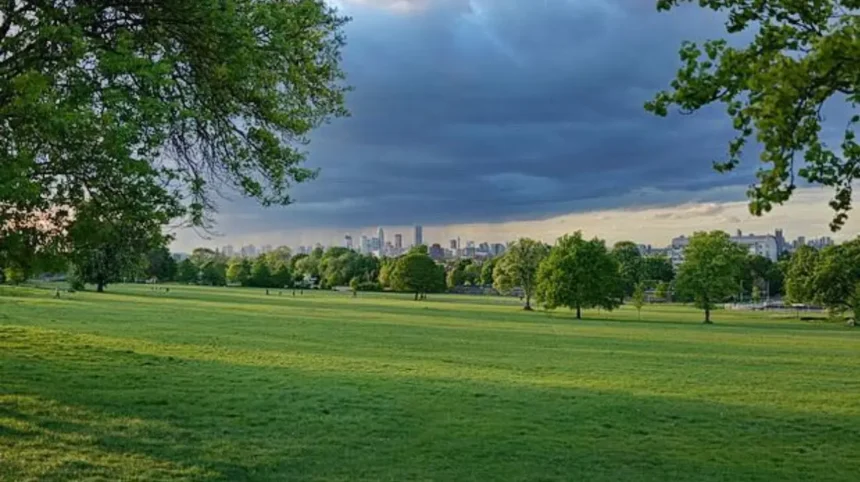
Streatham Common and Norwood Park provide some of Lambeth’s best opportunities for nature-focused relaxation. Their woodland areas, meadow habitats, mature trees and wildlife features create quieter environments for walking, photography and outdoor observation.
Visitors who prefer natural landscapes rather than formal gardens should explore Lambeth’s southern green spaces.
Streatham Common is one of the borough’s most important natural open spaces. It contains woodland, grassland, meadows, streams and picnic areas.
The Common originally formed part of the Great North Wood, an extensive historic landscape of woodland and heathland across South London.
Local residents historically used this land for grazing livestock and collecting firewood. As surrounding areas experienced development, much of the original woodland disappeared.
Part of Streatham Common survived and received Metropolitan Common protection in 1884.
Today, more than half of the Common is designated as a Local Nature Reserve. This designation recognises its importance for wildlife and public access to nature.
Visitors can enjoy:
- Woodland walking routes, including shaded paths through established trees.
- Open grassland, providing space for outdoor breaks.
- Meadow habitats, supporting local plants and wildlife.
- Picnic areas, offering opportunities to spend longer outdoors.
- Views across surrounding parts of South London.
Norwood Park offers another attractive natural environment. Located in West Norwood, it stands on one of Lambeth’s highest points.
The park contains a tree-lined Country Walk, native hedges, a wildlife pond and areas of species-rich meadow grassland.
Its elevated position creates impressive views across South London. Visitors can enjoy the scenery while exploring the park’s walking paths.
Norwood Park was formally declared a Local Nature Reserve on 3 March 2023.
Both locations are suitable for visitors who want to combine outdoor exercise with peaceful natural surroundings.
What Makes The Rookery One of Lambeth’s Most Relaxing Gardens?
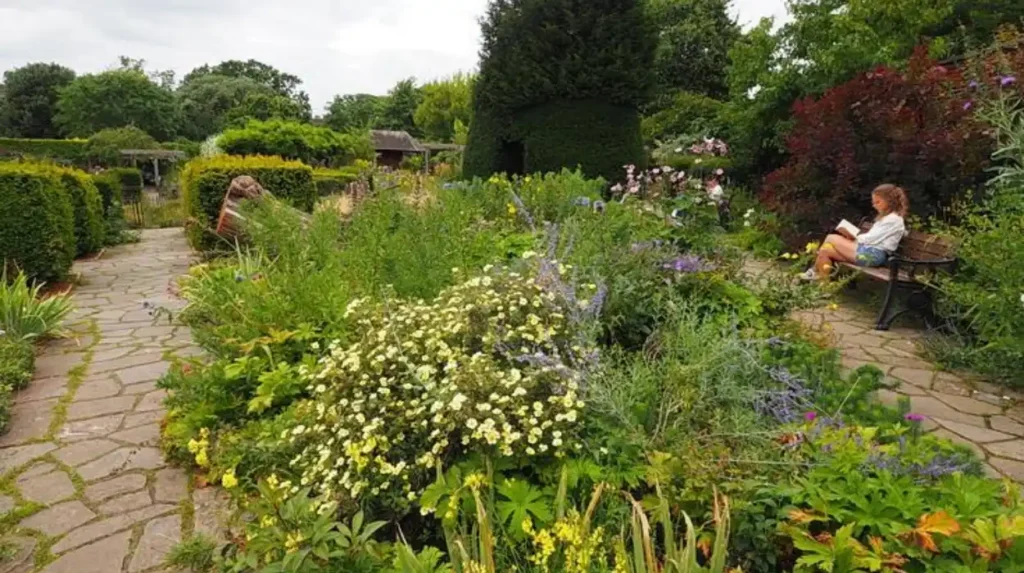
The Rookery is a historic formal garden beside Streatham Common, known for ornamental ponds, traditional flower beds, mature planting and landscaped pathways. Its enclosed garden sections provide a quieter atmosphere for visitors seeking peaceful outdoor surroundings.
The Rookery is situated on Covington Way in Streatham, London SW16 3BX.
Its history is closely connected to a large private residence that once occupied the site. The surrounding gardens were threatened by disposal and redevelopment before local public fundraising secured their future.
The gardens opened to the public in 1913.
The Rookery contains several distinct landscape features, including the Old English Garden, White Garden, ornamental ponds, herbaceous borders, hedges and an orchard.
Each section provides a different setting for visitors interested in horticulture and landscape design.
The ornamental ponds are particularly distinctive. Their landscaped surroundings create attractive locations for photography and quiet observation.
The garden also supports wildlife through its wooded edges, native planting, hedges and pond habitats.
Part of The Rookery was designated a Local Nature Reserve in 2013 alongside Streatham Common.
The site is managed by Streatham Common Cooperative, a community-led organisation that works with volunteers and local partners to maintain its horticultural and environmental features.
Visitors should check seasonal closing arrangements before travelling. The garden normally closes 30 minutes before dusk, with earlier closures possible during adverse weather.
Its combination of heritage, planting and natural surroundings makes The Rookery particularly suitable for visitors who prefer peaceful gardens to busy recreational parks.
Which Quiet Parks Are Worth Visiting Near Waterloo and Vauxhall?
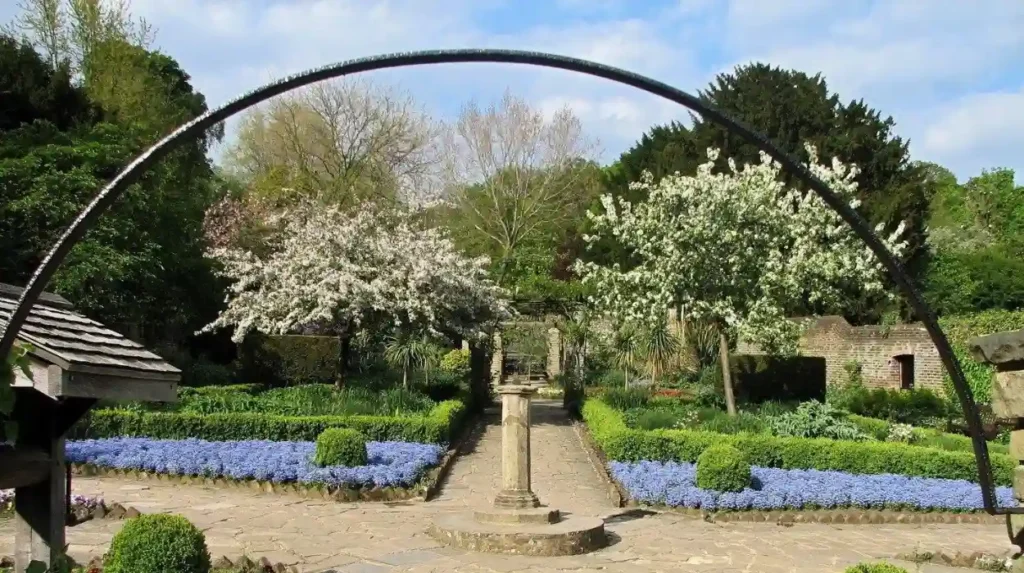
Archbishop’s Park, Vauxhall Park and St Mary’s Gardens offer convenient outdoor spaces near Waterloo and Vauxhall. These locations provide landscaped gardens, mature trees, seating and walking areas for visitors who want relaxation without travelling to Lambeth’s southern neighbourhoods.
The northern part of Lambeth contains several smaller green spaces surrounded by busy transport connections, offices, hospitals and cultural attractions.
Archbishop’s Park
Archbishop’s Park is situated on Carlisle Lane in Waterloo, London SE1 7LE. It occupies land that originally formed part of the grounds of Lambeth Palace, the London residence of the Archbishop of Canterbury.
Parts of the palace grounds were opened for public recreation during the nineteenth century. The permanent public park opened in 1901.
The park contains mature trees, herbaceous borders, wildlife habitats and a community garden. These features provide a green recreational environment close to Waterloo Station and the River Thames.
Visitors can use its walking paths and seating areas for short breaks. The community garden also offers an opportunity to appreciate local gardening activities.
Vauxhall Park
Vauxhall Park is located between Vauxhall and Stockwell on Fentiman Road, London SW8 1QY.
This Victorian park opened on 7 July 1890. Its creation followed a campaign led by local residents, including Millicent Fawcett, a prominent campaigner for women’s voting rights.
The park was designed by Fanny Rollo Wilkinson, one of Britain’s early female landscape architects.
Its landscape includes impressive planting, mature trees, formal gardens and recreational facilities. Visitors looking for a quiet break can explore its landscaped sections away from the playground and sports courts.
St Mary’s Gardens
St Mary’s Gardens is situated on Lambeth Palace Road, London SE1 7XH.
Its central seating area and water fountain create a convenient place to rest between visits to nearby attractions. The garden is particularly useful for visitors exploring Lambeth Palace, the Garden Museum and St Thomas’ Hospital.
Unlike larger parks, St Mary’s Gardens is suitable for short visits rather than extended outdoor activities.
Where Can Visitors Enjoy Peaceful Green Spaces Near Kennington?
Kennington Park and Cleaver Square provide quieter outdoor environments near central Lambeth. Kennington Park offers mature trees and formal gardens, while Cleaver Square provides a historic residential garden setting suitable for sitting and enjoying a slower pace.
Kennington is a useful destination for visitors who want outdoor relaxation near central London without travelling far from the South Bank or Waterloo.
Kennington Park is located on Kennington Park Road, London SE11.
The park was originally known as Kennington Common. It served as an important area of shared land where local people exercised traditional common rights, including grazing livestock.
It also became a location for public meetings and political demonstrations.
One significant historical event took place in April 1848, when more than 25,000 supporters of the Chartist movement gathered on Kennington Common.
The Chartists campaigned for political and electoral reforms, including wider voting rights.
The common was converted into a public park in 1852. Today, its landscape includes winding paths, mature trees, formal gardens, fountains and recreational facilities.
Visitors seeking a relaxing experience can explore its quieter tree-lined sections and landscaped areas.
Cleaver Square offers a different atmosphere.
Located in Kennington, London SE11 4EA, it is a historic residential garden square dating from 1789. It is recognised as the first garden square in South London.
The square is surrounded by residential properties and provides a traditional landscaped setting within an established neighbourhood.
Its smaller scale makes it suitable for a short rest during a walking visit to Kennington.
Cleaver Square is particularly relevant to visitors interested in London’s historic residential architecture and traditional garden layouts.
Both destinations demonstrate how historic public spaces contribute to the quality of life in densely developed urban neighbourhoods.
Is Clapham Common Suitable for Visitors Seeking Peace and Quiet?
Clapham Common offers extensive green space, woodland, ponds and walking paths across more than 85 hectares. Visitors can find quieter areas away from sports facilities, playgrounds, cafés and organised events by exploring its woodland and meadow sections.
Clapham Common is one of London’s largest and oldest public open spaces. It is situated between Clapham, Battersea and Balham.
The Common covers more than 85 hectares and has a history dating back to medieval times. The Domesday Book of 1086 records the wider area as part of the historic landscape.
Local residents historically used the land for grazing, collecting firewood and other traditional common activities.
The Metropolitan Board of Works acquired the Common in 1877 to protect it from encroaching development.
Although more than half of the Common lies within the London Borough of Wandsworth, Lambeth Council owns and manages the entire site.
Its landscape includes three ponds, two woodlands, mature tree avenues, species-rich meadows and extensive grassland.
The Victorian bandstand is another prominent feature.
Visitors seeking quieter surroundings should explore the woodland areas and paths away from the main recreational facilities. Eagle Pond and the surrounding natural habitats also provide opportunities for wildlife observation.
However, Clapham Common regularly hosts community activities, sporting events and seasonal entertainment. Its busiest areas experience higher visitor numbers during major events and summer weekends.
The Common is therefore best suited to visitors who want extensive open space and can choose less crowded sections.
Its status as a Local Nature Reserve and Site of Importance for Nature Conservation highlights its environmental importance.
Which Small Community Gardens Provide a Quiet Escape in Brixton?
Brixton contains several smaller green spaces that provide alternatives to its busy markets and shopping streets. Rush Common, Slade Gardens and nearby landscaped community areas offer seating, walking paths, wildlife planting and opportunities for short outdoor breaks.
Brixton is known for its markets, music venues, restaurants and shopping streets. However, visitors do not need to travel far to find quieter outdoor spaces.
Rush Common provides a series of public green spaces around Brixton Hill.
Its Woodland Walk contains tree-covered paths, seating and wildlife-friendly planting. Other sections include meadow grassland, mature trees and community-managed open areas.
Pencil Park is another small landscaped section associated with Rush Common.
These spaces provide useful opportunities for walking and relaxing within a residential environment.
Slade Gardens is located on Stockwell Park Road, London SW9 0AB, between Brixton and Stockwell.
The site opened as a public garden in 1958 following its redevelopment after the Second World War.
It contains walking paths, seating, ornamental trees, a nature conservation area, a children’s playground and an outdoor gym.
Visitors looking for a quieter experience can use the seating areas and planted sections away from the playground and exercise facilities.
Brixton Orchard and other community gardening initiatives also contribute to the neighbourhood’s green environment.
These smaller spaces demonstrate the importance of local green infrastructure in neighbourhoods with busy commercial centres.
They are especially useful for visitors who want a short break without organising a longer journey to a large park.
Where Can Visitors Find Scenic Views Across South London?
Norwood Park, Streatham Common and Brockwell Park provide attractive viewpoints across South London. Their elevated landscapes, open lawns and mature trees offer opportunities for landscape photography, outdoor relaxation and peaceful walks away from Lambeth’s commercial centres.
Lambeth’s geography includes several elevated areas that provide views across surrounding neighbourhoods.
These locations are particularly suitable for visitors interested in photography, landscape observation and outdoor recreation.
Norwood Park is one of the strongest options because of its position on an elevated section of West Norwood.
Its open landscape provides views across large parts of South London. Visitors can combine sightseeing with a walk along its Country Walk.
Brockwell Park also offers attractive viewpoints. Its rolling landscape creates changes in elevation that provide different perspectives across the surrounding residential areas.
The park’s open meadows and mature trees contribute to its distinctive scenery.
Streatham Common provides another option. Its large grassland areas and elevated sections offer views across the southern part of the borough.
Visitors should consider the weather when planning photography or outdoor activities. Clear conditions provide better visibility, while dry weather makes longer walking routes more comfortable.
These parks also provide opportunities to experience the contrast between Lambeth’s urban neighbourhoods and its extensive green landscapes.
Which Lambeth Green Spaces Are Best for Reading, Picnics and Quiet Breaks?
Brockwell Park, Streatham Common, Ruskin Park and Kennington Park provide suitable environments for reading, picnics and quiet outdoor breaks. Visitors can use open lawns, shaded seating areas and landscaped gardens to enjoy time outside without organised activities.
The best location depends on the type of relaxation visitors prefer.
Brockwell Park is particularly suitable for longer visits. Its large open meadows provide room for picnics, while the walled garden offers a more formal setting for a quieter walk.
Streatham Common provides a natural landscape with open grassland and woodland surroundings. Its picnic areas are useful for visitors planning an extended outdoor break.
Ruskin Park offers a combination of mature trees, an ornamental pond and landscaped gardens. Visitors can find suitable places for reading and sitting away from the main sports areas.
Kennington Park is a convenient option for people staying near central London. Its formal gardens and mature trees provide a traditional urban park setting.
Visitors should follow basic public-space etiquette when using these locations.
Picnic waste should be placed in designated bins or taken away when bins are full. Visitors should avoid disturbing wildlife, damaging plants or occupying restricted areas.
Quiet outdoor activities also depend on timing. Weekday mornings generally provide a different atmosphere from busy weekend afternoons and event days.
For a more relaxing experience, visitors should choose areas away from playgrounds, sports pitches and major pedestrian entrances.
How Can Visitors Reach Lambeth’s Peaceful Parks Using Public Transport?
Lambeth’s green spaces are accessible through London Underground, National Rail, London Overground and local bus services. Visitors can reach major parks through nearby stations, including Herne Hill, Denmark Hill, Streatham and Gipsy Hill.
Public transport provides a practical way to explore Lambeth without driving through busy central London streets.
Visitors should check their journey before departure because transport services, engineering works and local bus routes change.
Walking between nearby attractions is another useful option.
For example, visitors can combine Brockwell Park with Herne Hill’s local shops and cafés. A visit to Streatham Common can also include The Rookery because the garden sits directly beside the Common.
Similarly, visitors exploring central Lambeth can combine Archbishop’s Park, St Mary’s Gardens and the Garden Museum within one sightseeing trip.
These combinations reduce unnecessary journeys and provide more time to enjoy each location.
How Does Lambeth’s History Explain Its Green Spaces?
Lambeth’s parks reflect centuries of changes in land ownership, public access and urban development. Former common land, private gardens, churchyards and historic estates gradually became public recreational spaces, preserving important landscape features for future generations.
Lambeth’s green spaces have a strong connection with the borough’s social and architectural history.
Before extensive urban development, much of the area contained agricultural land, woodland, private estates and common land.
The Great North Wood once covered extensive parts of South London. Its historic landscape included areas around Streatham and Norwood.
Common land provided local communities with access to natural resources. Residents used these spaces for grazing animals, collecting firewood and other traditional activities.
During the eighteenth and nineteenth centuries, residential development gradually transformed Lambeth’s rural surroundings.
Private estates and landscaped gardens became increasingly important features of the growing suburbs.
Several historic public parks emerged through campaigns to protect green spaces from development.
Brockwell Park opened in 1892 after the acquisition of private estate land. Vauxhall Park opened in 1890 following local campaigning. Archbishop’s Park became a permanent public park in 1901 after parts of the former Lambeth Palace grounds were opened for recreation.
The Rookery also demonstrates the importance of public fundraising in protecting historic gardens.
These developments established a network of accessible outdoor spaces that continue to serve local communities.
As visitors explore these modern green spaces, they encounter landscapes shaped by centuries of social and environmental change. Discover the full [History of Lambeth’s Parks and Historic Green Spaces] to understand how former estates, commons and private gardens became public places.
Historic preservation remains important because these landscapes retain features that explain Lambeth’s development. Mature trees, ornamental ponds, traditional garden layouts and historic buildings connect modern visitors with the borough’s past.
Are Lambeth’s Parks Important for Wildlife and Environmental Conservation?
Lambeth’s parks support urban wildlife through woodland, ponds, meadow grassland and wildlife-friendly planting. Local Nature Reserve and Site of Importance for Nature Conservation designations help protect valuable habitats while maintaining public access to outdoor environments.
Lambeth’s green spaces provide more than recreational opportunities. They also contribute to biodiversity and environmental protection.
Biodiversity refers to the variety of living organisms within an environment, including plants, insects, birds, mammals and other wildlife.
Urban green spaces create habitats within heavily developed neighbourhoods.
Several Lambeth locations have particular environmental importance.
Streatham Common and The Rookery contain woodland edges, meadow habitats, ponds and native planting. These features support different types of wildlife.
Norwood Park contains native hedges, a wildlife pond and species-rich grassland. Its Local Nature Reserve designation recognises the importance of these habitats.
Brockwell Park is a Site of Importance for Nature Conservation because of its wildlife value and access to nature.
Clapham Common contains woodlands, ponds and species-rich meadows. These habitats provide valuable environmental resources within a densely populated part of London.
Ruskin Park also has a wildlife area containing a pond and orchard.
A Site of Importance for Nature Conservation, commonly abbreviated to SINC, is a designation used to identify places with significant local wildlife and habitat value.
A Local Nature Reserve, or LNR, is a statutory designation under the National Parks and Access to the Countryside Act 1949. Local authorities use this designation to protect natural habitats and provide opportunities for people to experience nature.
Visitors contribute to conservation by following designated paths, avoiding damage to planted areas and keeping dogs under control where required.
Responsible behaviour helps preserve these spaces for future generations.
When Is the Best Time to Visit Lambeth’s Peaceful Places?
Weekday mornings and early afternoons generally provide suitable opportunities to explore Lambeth’s parks with fewer recreational crowds. Spring and summer offer longer daylight hours, while autumn provides attractive seasonal colours across woodland and landscaped gardens.
The timing of a visit affects the atmosphere of Lambeth’s outdoor spaces.
Early mornings are particularly suitable for visitors who want quieter walking routes, wildlife observation and photography.
Weekday visits also provide an alternative to busy weekend periods, especially in larger parks with playgrounds and sports facilities.
Spring brings fresh foliage, flowering plants and increasing wildlife activity. The gardens at The Rookery and Brockwell Park become particularly attractive during the growing season.
Summer offers longer daylight hours and opportunities for picnics, outdoor reading and extended walks.
However, popular parks such as Brockwell Park and Clapham Common experience greater recreational activity during warm weekends and organised events.
Autumn creates a different atmosphere. Mature trees across Ruskin Park, Kennington Park and Brockwell Park display seasonal changes in leaf colour.
Winter provides opportunities for quieter walks, although visitors should prepare for shorter daylight hours, wet paths and colder weather.
Lambeth Council’s general park opening arrangements require visitors to leave before official closing times. Most parks normally close 15 minutes before sunset, although individual sites have different arrangements.
For example:
- Brockwell Park normally opens at 7.30 am.
- Ruskin Park normally opens at 7 am.
- The Rookery normally closes 30 minutes before dusk.
- Streatham Common and Norwood Park are listed as open 24 hours, although individual facilities have separate operating hours.
These arrangements are important for planning visits during autumn and winter when daylight hours are shorter.
Visitors should check Lambeth Council’s latest opening information before travelling.
How Can Visitors Choose the Right Relaxing Location in Lambeth?
Choosing a relaxing place in Lambeth depends on available time, preferred surroundings, transport connections and desired activities. Large parks suit extended visits, formal gardens suit quieter breaks, while residential squares provide convenient places to rest.
Different outdoor locations serve different visitor requirements.
A visitor with several hours available can explore Brockwell Park or Streatham Common. Both provide extensive landscapes and opportunities to combine walking with nature observation.
Visitors interested in historic gardens should prioritise The Rookery. Its traditional landscaping, ornamental ponds and historic features create a distinctive experience.
People staying near Waterloo can visit Archbishop’s Park or St Mary’s Gardens. Both offer convenient access to green surroundings without travelling to southern Lambeth.
Visitors interested in photography can explore Norwood Park for elevated views or Brockwell Park for landscaped scenery.
People looking for short breaks near Brixton can visit Rush Common or Slade Gardens.
This approach helps visitors choose locations according to their available time and preferred environment.
For tourists, combining nearby green spaces with local attractions creates a more balanced sightseeing itinerary.
For residents and digital nomads, smaller gardens and accessible parks provide opportunities to take outdoor breaks during the day. Visitors who need reliable internet connectivity should use cafés or designated workspaces rather than assuming public parks provide Wi-Fi.
Explore More Area Guide
What to Discover on a Weekend in Lambeth, South London
What Can Visitors Discover on a Weekend in Lambeth?
Where Are Lambeth’s Best Relaxing Places Located?
Lambeth’s peaceful outdoor destinations are spread across the borough, from Waterloo in the north to Streatham and West Norwood in the south. The following map helps visitors identify the main parks and gardens and plan their sightseeing.
Why Are Peaceful Green Spaces Important to Lambeth’s Visitors?
Peaceful green spaces improve the visitor experience by providing opportunities for outdoor recreation, contact with nature and breaks from busy urban environments. They also support biodiversity, community activities and the long-term environmental quality of Lambeth.
Urban green spaces play an important role in modern cities.
They provide accessible environments for physical activity, social interaction and contact with natural surroundings.
For visitors, parks offer a different experience from museums, shopping centres and busy tourist attractions. They create opportunities to slow down, explore local neighbourhoods and experience London’s residential character.
For residents, green spaces provide everyday recreational resources close to home.
Walking through a park, spending time beside a pond or sitting beneath mature trees offers a practical way to spend time outdoors.
These locations also support community activities. Local volunteers help maintain gardens, protect wildlife habitats and organise environmental projects.
Brockwell Park Community Greenhouses, Friends of Ruskin Park and the community organisations associated with Streatham Common demonstrate how local involvement contributes to park management.
The environmental importance of these spaces also extends beyond their boundaries.
Trees provide shade, vegetation contributes to urban cooling, and permeable ground helps manage rainfall. Ponds and planted habitats support wildlife in built-up neighbourhoods.
Lambeth’s continued protection of public parks therefore supports recreation, environmental conservation and the character of local communities.
For visitors, these benefits make the borough’s parks and gardens important destinations rather than simply places to pass through.
Final Thoughts on Finding Relaxing Places Away From Lambeth’s Busy Streets
Lambeth offers a wide selection of peaceful outdoor destinations for visitors who want to experience a quieter side of South London.
Brockwell Park provides extensive meadows, historic buildings and landscaped gardens. Streatham Common and The Rookery offer woodland scenery and traditional horticultural features. Norwood Park provides elevated views, while Ruskin Park combines historic landscapes with wildlife habitats.
Visitors staying near Waterloo and Vauxhall can explore Archbishop’s Park, Vauxhall Park and St Mary’s Gardens. Kennington Park, Cleaver Square, Rush Common and Slade Gardens provide additional opportunities for relaxation closer to established neighbourhood centres.
These green spaces demonstrate the importance of accessible outdoor environments within a busy London borough.
Whether visitors want a longer countryside-style walk, a quiet garden visit, a photography location or a short break between sightseeing activities, Lambeth provides several suitable options throughout the year.
Planning visits around park opening times, seasonal conditions and public transport connections helps visitors enjoy these locations comfortably.
What are the most peaceful places to visit in Lambeth?
Brockwell Park, Ruskin Park, Streatham Common, Norwood Park and The Rookery are among Lambeth’s most peaceful outdoor destinations. They offer green landscapes, walking paths, mature trees, gardens and quieter areas for relaxation.