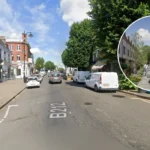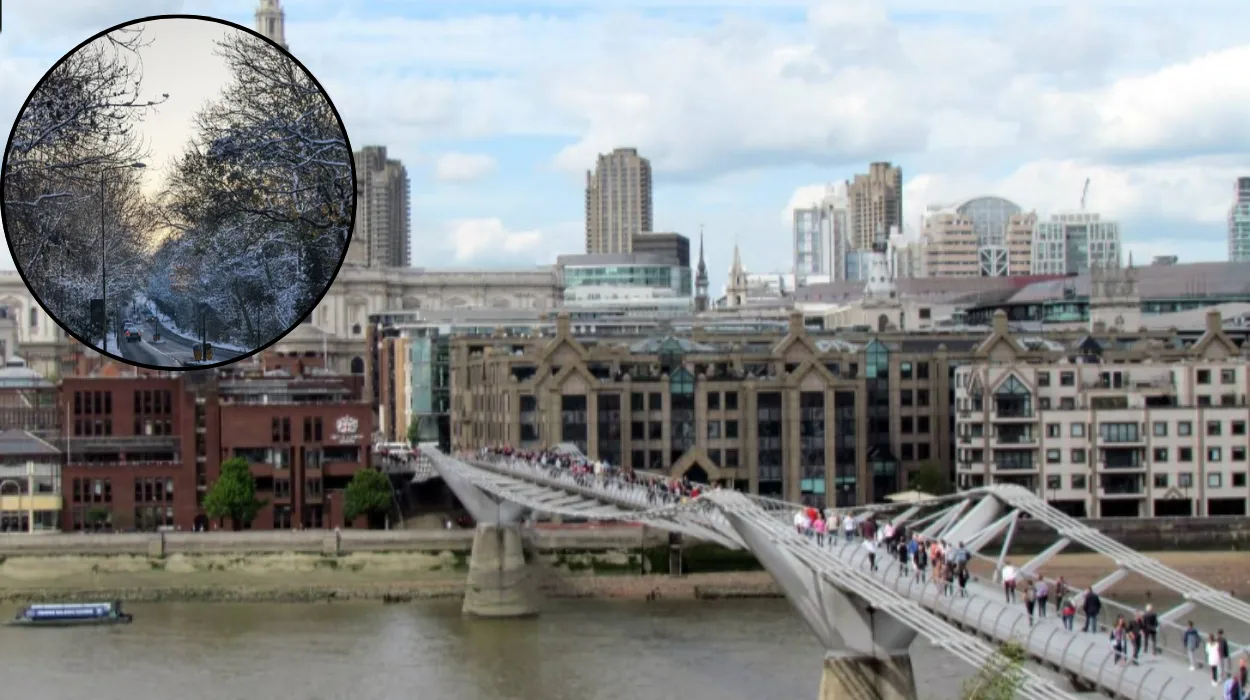
Shooter’s Hill stands as the crown jewel of South London’s topography, offering panoramic views and a tapestry of history. This evergreen guide uncovers its timeless allure for locals and explorers alike.
- Ancient Origins and Prehistoric Roots
- Highwaymen Haunts and Georgian Notoriety
- Iconic Landmarks: Severndroog Castle Spotlight
- Natural Beauty and Green Escapes
- Modern Community and Daily Life
- Cultural Echoes in Literature and Legacy
- Things to Do: Timeless Activities
- Why Shooter’s Hill Endures for South Londoners
Ancient Origins and Prehistoric Roots
Shooter’s Hill, reaching 132 meters (433 feet), marks the highest point in the Royal Borough of Greenwich and one of London’s elevated summits. Archaeological digs reveal Bronze Age burials on its northern slopes, including Shrewsbury Barrow, a scheduled monument about 25 meters wide and 1.5 meters high—the last of a group of six mounds. Early Iron Age evidence includes iron smelting slag in a ditch, positioning the hill among Britain’s earliest iron production sites in the lower Thames valley.
The hill’s slopes likely served as archery grounds in medieval times, inspiring its name first recorded in 1226—predating guns and highwaymen legends. Roman Watling Street, now the A207 and part of the A2, traversed the summit from Southwark to Dover, evidencing ancient trackways possibly from the Bronze Age.
Highwaymen Haunts and Georgian Notoriety
By the 18th century, dense woodlands made Shooter’s Hill infamous for highway robberies, with gibbets displaying executed criminals as warnings—like the “filthy sight” Samuel Pepys noted in 1661. Travelers on Dover mail coaches, including Dickens’ Jarvis Lorry in A Tale of Two Cities, dreaded the ascent. Despite the lore, archery origins better explain the name, as guns emerged later.
Henry VIII hosted a 1515 masque here with Catherine of Aragon, featuring Robin Hood-guised guards in an arbour. Celia Fiennes’ 1697 diary praised its “vast prospect” over Thames-side towns. Inns like the Catharine Wheel (possibly 17th century) and The Bull (1749) served as coach stops, fueling local economy amid peril.
Iconic Landmarks: Severndroog Castle Spotlight
Severndroog Castle, a Grade II*-listed Gothic folly built in 1784 by Richard Jupp, dominates the skyline at 63 feet high with hexagonal turrets. Erected by Lady James to honor Commodore Sir William James’ 1755 victory over Maratha pirates at Suvarnadurg (rendered “Severndroog”), it offers 360-degree views spanning seven counties. General William Roy used it for the 1784-1790 Anglo-French Survey, linking Greenwich and Paris Observatories and birthing the Ordnance Survey.
Restored in 2014 via a £595,000 Heritage Lottery Fund grant after community efforts, it now features a tearoom (Thursday-Sunday) and public viewing platform (Sundays, capacity 10). The 1910 Gothic Revival water tower, visible afar, supplied local water; another 1890s tower near former Brook Fever Hospital was repurposed into a home. Christ Church’s 18th-century milestone notes distances to Dartford and London Bridge, plus a Ypres memorial.
Natural Beauty and Green Escapes
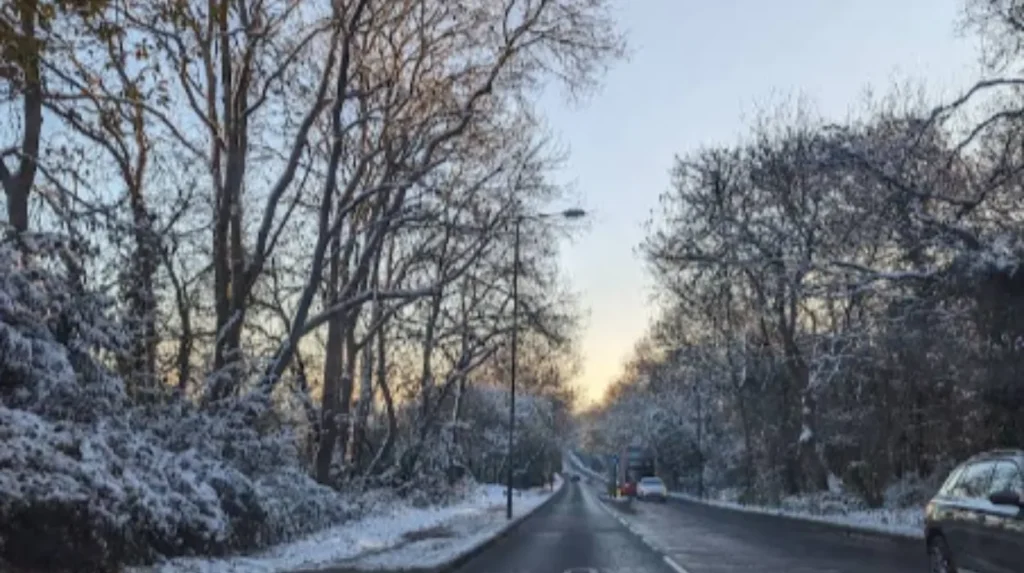
Oxleas Wood, ancient woodland on the hill’s crest, forms part of the Green Chain and Capital Ring paths, ideal for hikes from Eltham to Shooter’s Hill. Shrewsbury Park housed WWII barrage balloons manned by 901 Squadron; nearby golf courses overlay former POW camps and anti-aircraft sites. Woodlands Farm, one of inner London’s last farmlands, operates as an educational charity.
Eltham Common and Castle Wood provide serene spots with springs that sparked 18th-century spa proposals, though unrealized. Eaglesfield Park adds recreational space, preserving the area’s rural vibe amid urban sprawl.
Modern Community and Daily Life
Straddling Greenwich and Bexley boroughs, Shooter’s Hill thrives as a residential haven north of Eltham and south of Woolwich. Schools like Christ Church Primary, Plumcroft Primary, Ark Greenwich Free School, and Shooter’s Hill Post 16 Campus serve families. The Memorial Hospital remains operational; the former Royal Herbert Hospital is now luxury pavilions.
Transport hubs via TfL buses link to Woolwich, Eltham, Bexleyheath, and Greenwich; nearest stations are Welling and Falconwood. Ward profiles highlight community vibrancy under Royal Borough of Greenwich. 1950s road cuts eased gradients for vehicles, visible in pavements rising above cuttings.
Cultural Echoes in Literature and Legacy
Literary nods abound: Byron’s Don Juan muses romantically here; Dickens mentions it in Pickwick Papers; Wells in War of the Worlds, Stoker in Dracula (misplaced), and Carlyle reference it. Graphic novel V for Vendetta sets Evey Hammond’s childhood here. Notables include Algernon Blackwood (born 1869), Fanny Cradock, Jools Holland and Frankie Howerd (expelled from grammar school), Boy George, and comics writer Steve Moore.
Samuel Brown tested a hydrogen-fueled vehicle up the hill in 1826, an early automobile milestone. WWII defenses included ‘London Stop Line Central’ with Home Guard flame fougasses along Watling Street.
Things to Do: Timeless Activities
Hike Oxleas Wood trails for birdwatching and picnics, or climb Severndroog’s platform for city vistas—perfect for photographers. Explore Woodlands Farm’s workshops on sustainable agriculture. Golf at local courses overlays historic sites; cycle A207 paths.
Visit pubs like The Bull for heritage vibes, or Christ Church for architecture. Seasonal events at Severndroog include hires for functions; check royalgreenwich.gov.uk for updates. Stargaze from elevated spots or join Green Chain Walks spanning 300 miles of paths.
Why Shooter’s Hill Endures for South Londoners
This hill blends prehistoric mystique, Georgian drama, Victorian engineering, and green serenity—evergreen essence of South London. Panoramas soothe urban souls; landmarks inspire heritage pride. For residents, it’s home; for visitors, an accessible escape via bus from Greenwich or Eltham.
Preservation trusts ensure its legacy, from Severndroog’s revival to woodland care. Whether tracing Roman roads or highwaymen tales, Shooter’s Hill invites endless discovery—timeless, unmissable South London treasure.