Hayes in South London captivates with its blend of historic village charm, expansive green spaces, and seamless commuter links, positioning it as a top choice for families and professionals in the London Borough of Bromley. This evergreen guide uncovers why Hayes endures as a desirable South London haven, drawing from its ancient roots, natural beauty, and community vibrancy.
Hayes Location and Boundaries
Hayes nestles in the southern reaches of the London Borough of Bromley, just a mile south of bustling Bromley town centre, with West Wickham to the west and Keston to the southeast. Historically part of Kent until Greater London’s 1965 expansion, Hayes spans roughly 1,282 acres of former rural parish land, now a suburban gem amid the capital’s outer commuter belt. Its position offers quick access to central London via rail while bordering vast Green Belt areas that preserve a countryside feel.
Deep Roots in History
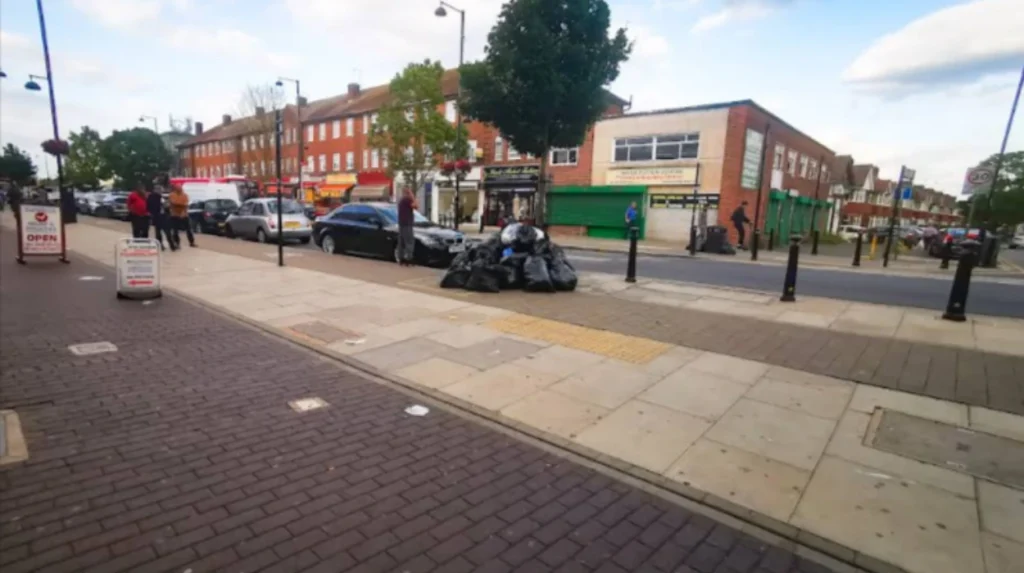
The name Hayes traces to 1177 as “hoese,” Old English for a settlement amid shrubby open land, perfectly suiting its early landscape of fields, woods, and commons south of Bromley. In 1801, only 382 residents called Hayes home, growing modestly to 1,010 by 1921 before the 1882 railway arrival spurred suburban boom. The West Wickham and Hayes Railway branch from Elmers End turned Hayes station into a vital terminus, linking villagers to London and fueling residential growth around Hayes Lane and Pickhurst Lane.
Expansive Green Spaces
Hayes shines brightest through its green heart, Hayes Common—a sprawling expanse of oak woodland, lowland heath, acid grassland, scrub, ponds, and lichen-rich habitats along Croydon Road (BR2 7AU). This nationally scarce lowland dry heath supports diverse wildlife, making it a biodiversity hotspot for South London nature lovers. Paths weave into the London Loop, connecting to Jubilee Country Park, West Wickham Common, and High Elms, ideal for extended walks or casual strolls right from the village.
Village Life and Amenities
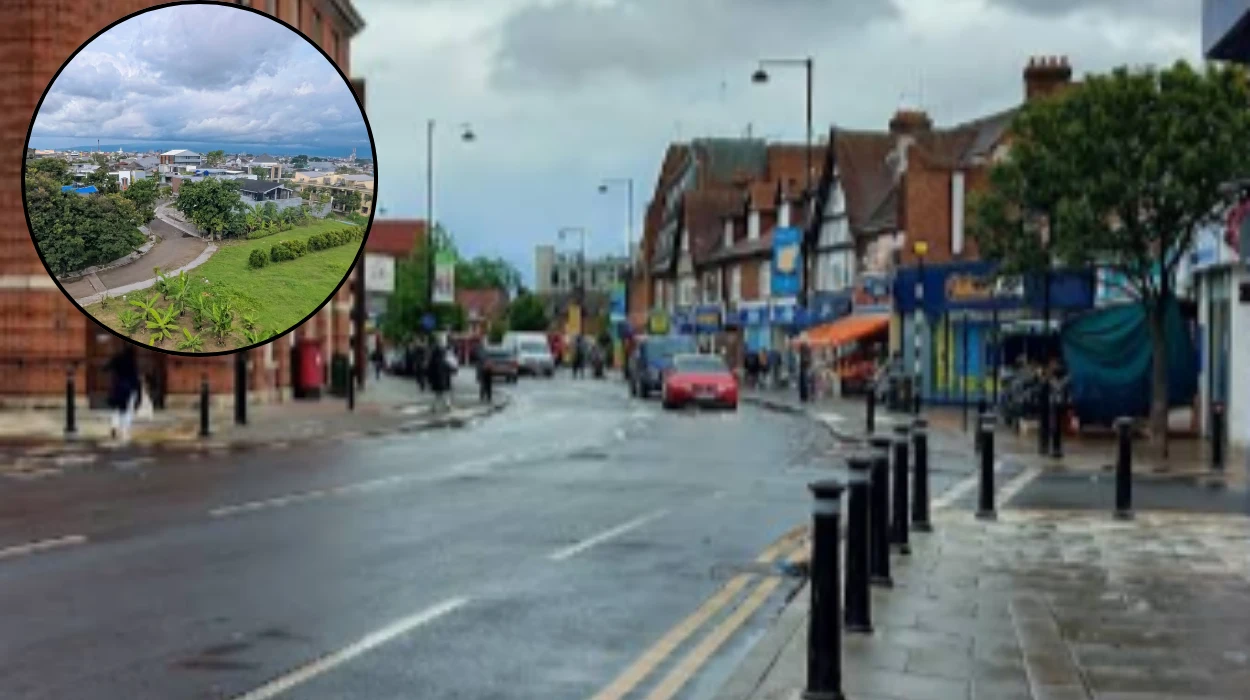
Hayes exudes traditional Kentish village character at its core, where Hayes Lane meets local pubs, shops, cafés, and churches, fostering a tight-knit community feel despite Greater London status. Families thrive here with strong schools like Hayes Primary, founded in 1937 as Hayes Council School on George Lane for 400 pupils under headteacher Miss Dorothea Page. Property guides highlight Hayes for its mix of detached and semi-detached homes on tree-lined streets, blending quiet residential appeal with proximity to Bromley, Croydon, and Beckenham hubs.
Transport Connectivity
Hayes excels as a commuter haven, with Hayes station delivering direct trains to central London via the historic 1882 Elmers End branch line. Buses like the 119, 138, 146, 246, 314, 353, and 638 link to Bromley, Orpington, and Croydon, while the A232 offers swift M25 access in about 20 minutes and Gatwick Airport in 40. Bakerloo line extension studies flag Hayes-Beckenham routes as high-potential for future Tube links, boosting its strategic transport appeal.
Outdoor Pursuits on Hayes Common
Hayes Common anchors an active outdoor lifestyle, with its varied terrain suiting walkers, runners, dog walkers, and families year-round. Ponds and woodlands create natural play areas, while heathland paths invite exploration of scarce habitats unique to South London. Linking seamlessly to the 150-mile London Loop, residents access multi-hour hikes through neighbouring parks without leaving Bromley’s green network.
Schools and Family Focus
Education bolsters Hayes’ family-friendly reputation, exemplified by Hayes Primary School’s near-90-year legacy serving a growing suburban population. The school’s evolution from a 1937 council institution mirrors Hayes’ shift from rural parish to modern community hub, prioritising local children’s needs amid expanding homes. This commitment to schooling, paired with low-density housing, draws South London families seeking stability and green surroundings.
Planning Debates and Green Protection
Hayes embodies Bromley’s tension between housing growth and green preservation, with council plans prioritising Green Belt, Metropolitan Open Land, and woodlands per strong resident support. Campaigns like Keep Bromley Green contest developments such as Ravensbourne Place, defending Hayes’ open character against “grey belt” pressures. These evergreen debates ensure Hayes retains its village-like openness, shaping its future as a protected South London enclave.
Why Choose Hayes to Live
Hayes allures South Londoners with unmatched balance: historic parish charm, elite green spaces like Hayes Common, top schools, and commuter ease all within Bromley’s embrace. Its evolution from shrubby settlement to rail-linked suburb preserves a rare “out-of-London” feel close to the city, ideal for work-life harmony. For buyers, renters, or explorers, Hayes promises enduring value through community spirit and natural bounty.