Gangs in South London have a long, turbulent history marked by territorial conflicts, social challenges, and evolving criminal activities, from historic mob wars to today’s youth street gangs and drill music culture. Over the decades, South London neighborhoods like Brixton, Peckham, Lewisham, and Walworth have been the centers of gang activity, often characterized by violent disputes, drug trafficking, and social fragmentation, deeply impacting local communities.
Historical Roots of South London Gangs
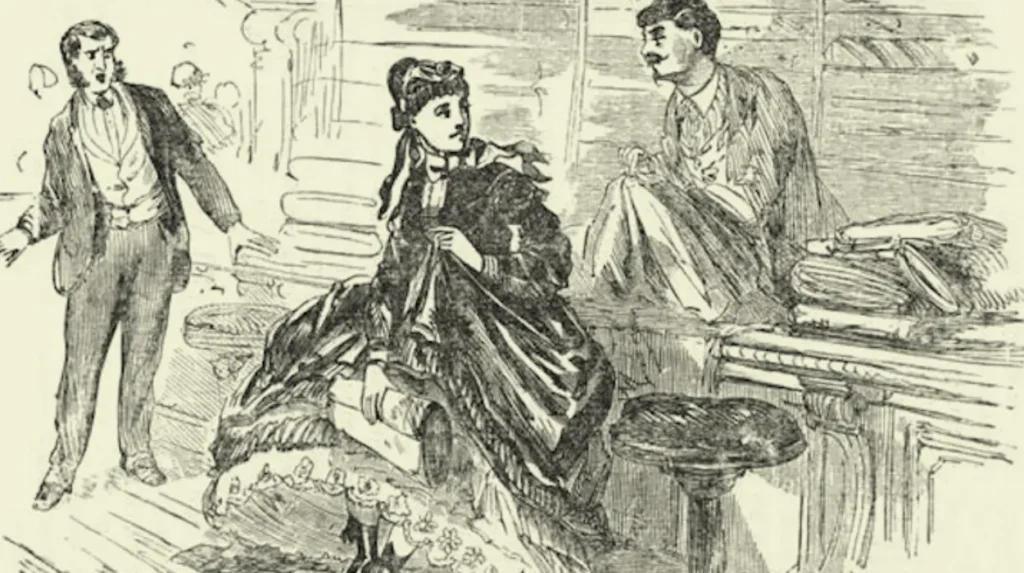
South London’s gang culture can trace its origins back early to the 20th century, with infamous mobs such as the Elephant and Castle Mob (also called Elephant Boys) and the Richardson brothers’ “Torture Gang” dominating criminal rackets south of the Thames. The 1920s saw violent gang wars, including the notorious 1927 “Battle of Waterloo,” a confrontation between the Sabini gang and the Elephant Boys, which led to heightened police intervention. These early gangs engaged in protection rackets, illegal gambling, and violent turf wars, carving London into deadly territories controlled by different groups.
Later, from the 1970s onwards, newer gangs formed across estates in South London such as the Ghetto Boys in Lewisham, which recruited members through schools and extended influence into neighbouring boroughs. The Ghetto Boys had fierce rivalries with other gangs such as the Peckham Boys and splintered over time into smaller groups including the Pepys Gang Bangers and D-Block, leading to internal strife as well as conflicts with rival factions.
Notable Modern South London Gangs
- GAS Gang (Guns And Swords, later Gangster Assassin Soldiers): Originating from Brixton’s Angell Town estate, GAS emerged as one of the most dangerous South London gangs in the 2010s. They have been associated with numerous violent incidents including murders, gun crimes, and drug trafficking. At their peak, the gang was responsible for a large proportion of youth violence in Brixton, prompting significant police crackdowns. The gang’s activities extended to money laundering and territorial conflicts with rivals such as Peckham’s Zone 2 and Murder Zone.
- Peckham Boys: Another dominant gang from Peckham, involved in a long-standing rivalry with the Ghetto Boys in neighboring Lewisham. Peckham Boys have been implicated in violent crimes and drug dealing, often clashing territorially with other gangs while influencing local youth culture.
- Moscow17: Based in Walworth, this gang has been active since the 2000s and involved in violent clashes, notably with Peckham’s gangs. Their members, often very young, represent the local street dynamics where school-age youth are entangled in gang conflicts.
- Other groups such as the Harlem Spartans, Zone 2, and the Black Mafia also play significant roles in South London’s gang landscape, reflecting the fragmented and localized nature of gang territories within boroughs like Camberwell and Stockwell.
Gang Culture and Social Impact
South London gangs often emerge from socio-economic challenges such as deprivation, lack of opportunity, and social exclusion. Territories within housing estates and council estates provide the backdrop for gangs recruiting young people vulnerable to the allure of status, protection, and income through illicit means.
These gangs typically engage in:
- Drug trafficking and distribution
- Violent crimes including stabbings and shootings
- Protection rackets and extortion
- Rivalry-driven conflicts leading to loss of life and community fear
The rise of UK drill music in South London is closely linked to gang culture, providing a voice but also sometimes intensifying territorial disputes through lyrical content reflective of real-life conflicts.
Law Enforcement and Community Responses
Authorities in South London have deployed various measures to combat gang violence: targeted police operations, youth intervention programs, and community engagement initiatives aimed at prevention rather than just enforcement. For instance, police actions against GAS Gang members in Brixton led to arrests that helped suppress violence temporarily.
Alongside law enforcement, local councils and charities focus on addressing root causes by improving education, providing youth activities, and supporting families in affected areas. Despite these efforts, gang violence remains a complex issue intertwined with broader social inequalities.