Southwark’s local governance traces back to 1856 under the Metropolitan Board of Works, which managed metropolitan services until 1889 when it became part of the County of London. By 1900, parish vestries evolved into metropolitan boroughs of Bermondsey, Camberwell, and Southwark, each with dedicated councils handling personal services like libraries and social care.
The modern London Borough of Southwark formed in 1965 via the London Government Act 1963, merging those three boroughs after elections in 1964. For its first year, it operated as a shadow authority alongside the old councils until fully taking power on April 1, 1965, abolishing the predecessors. From 1965 to 1986, the Greater London Council oversaw broader functions like fire and flood prevention, while Southwark focused on local needs.
Labour has controlled the council since 2010, following periods of no overall control from 2002-2010 and Labour dominance from 1965-2002. This stability shapes ongoing policies amid Southwark’s evolution from historic parishes to a diverse urban hub opposite the City of London.
Powers and Responsibilities
Southwark Council derives authority from the London Government Act 1963 and later laws, functioning as a standard London borough council. It sets council tax, collects business rates and Greater London Authority precepts, and shapes planning policies that align with national and regional strategies while approving most applications.
As a local education authority, it oversees schools, council housing, social services, libraries, waste management, traffic, roads, and environmental health. These roles ensure responsive services; for instance, it manages over 30,000 council homes and supports thousands through social care programs tailored to South London’s growing population.
Residents interact via billing for taxes, planning permissions for home extensions common in areas like Dulwich, or reporting issues through online portals. The council’s legal name, “Mayor and Burgesses of the London Borough of Southwark,” underscores its burgess tradition, though it brands simply as Southwark Council.
Key Services for Residents
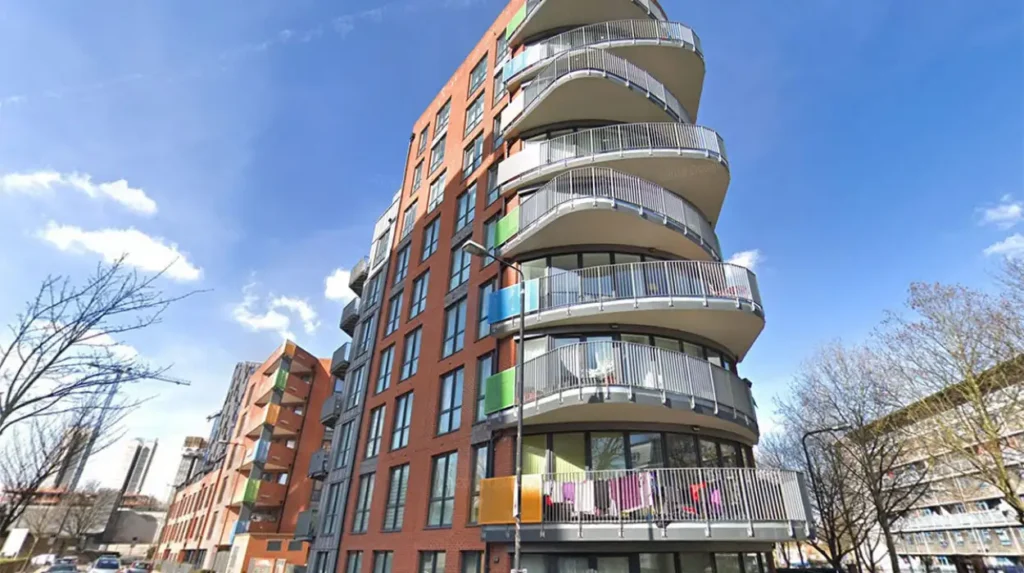
Housing stands out as a core service, with Southwark maintaining one of London’s largest council housing stocks amid high demand in zones like Elephant and Castle. It allocates homes based on need, runs repairs, and invests in regeneration projects blending affordable units with new developments.
Social services support vulnerable groups, including children, elderly, and disabled residents, through assessments and care packages. Libraries in Peckham and beyond offer free resources, events, and digital access, fostering community literacy in this culturally rich borough.
Waste and recycling collection occurs weekly, with policies promoting sustainability like food waste bins to reduce landfill use. Roads and traffic management address congestion on routes like the A2, including cycle lanes and bus priority schemes aligning with London’s green goals.
Political Landscape
Elections occur every four years, with 48 councillors representing 21 wards from Bermondsey to Dulwich Village. Labour’s majority since 2010 reflects Southwark’s working-class heritage and diverse demographics, though opposition voices influence debates on housing and environment.
The council leader, elected by councillors, chairs cabinet meetings shaping budgets, while a ceremonial mayor attends civic events. Scrutiny committees review decisions, ensuring transparency; recent focuses include post-COVID recovery and net-zero targets by 2030.
Cross-party collaboration occurs on issues like Thames river management, partnering with the Environment Agency. For South London audiences, understanding ward councillors via southwark.gov.uk aids advocacy on local matters like park maintenance in Burgess Park.
Community Impact and Initiatives
Southwark Council drives cultural vibrancy, stewarding sites like the Tate Modern and Shakespeare’s Globe on Bankside, once part of the historic Bridge Without ward incorporated in 1550. It funds arts grants and festivals, boosting tourism in this Thames-side gem.
Regeneration transforms areas; Elephant & Castle’s redevelopment includes 3,000+ homes and a new leisure centre, balancing growth with community input. Sustainability efforts feature tree planting in Camberwell and air quality monitoring, vital for health in dense South London.
Education thrives with investments in schools like those in Nunhead, achieving above-average GCSE results through targeted programs. Health partnerships with NHS Southwark Clinical Commissioning Group tackle inequalities, offering free activities in leisure centres across Rotherhithe to Peckham.
Parks and green spaces, from Southwark Park to the gardens of post-industrial Bermondsey, receive council upkeep, hosting events that unite diverse residents. During crises like floods, it coordinates with the Greater London Authority for resilience.
Planning and Development
Planning policies emphasize high-density, sustainable builds complementing the London Plan. Applications for extensions or changes in conservation areas like Borough High Street require council approval, preserving heritage while allowing modern adaptations.
Major projects, such as Canada Water’s masterplan, promise 3,000 homes, offices, and parks, decided via democratic processes. Residents engage through consultations; tools like the council’s interactive map help track proposals affecting streets from Walworth to Herne Hill.
SEO tip for locals: Search “Southwark planning applications [your postcode]” for real-time updates, ensuring voices shape skylines in this evolving borough.
Budget and Finances
Council tax funds core services, banded by property value; Band D averages £1,800 annually, lower than central London boroughs. It collects non-domestic rates from businesses in creative hubs like Shad Thames.
Budgets prioritize housing (30%+) and social care amid national pressures. Efficiencies come from digital services, like online payments reducing administrative costs. Transparency reports on southwark.gov.uk detail spending, with audits ensuring accountability.
Value-for-money shines in grants; community groups in East Dulwich access funds for youth projects, enhancing local resilience.
Getting Involved
Residents join consultations on budgets or parks via the council website or apps. Ward forums in places like Peckham Rye allow direct talks with councillors.
Volunteering opportunities abound, from library helpers to environmental clean-ups along the Thames Path. Youth councils empower under-25s, influencing policies on knife crime or mental health.
Petitions need 1,000 signatures for debate, amplifying voices on issues like more GP surgeries in growing areas. Newsletters and social media keep South Londoners informed.
Southwark Council eyes net-zero by 2030, expanding electric buses and green roofs. Housing targets 1,700 new affordable homes yearly, tackling shortages in this popular South London spot.
Tech integration, like AI for pothole detection, streamlines services. Partnerships with developers ensure inclusive growth, preserving the borough’s creative soul from Bermondsey Street to the Old Kent Road.
For South London pride, Southwark Council blends heritage with progress, serving 310,000 residents in a timeless Thames guardian role.