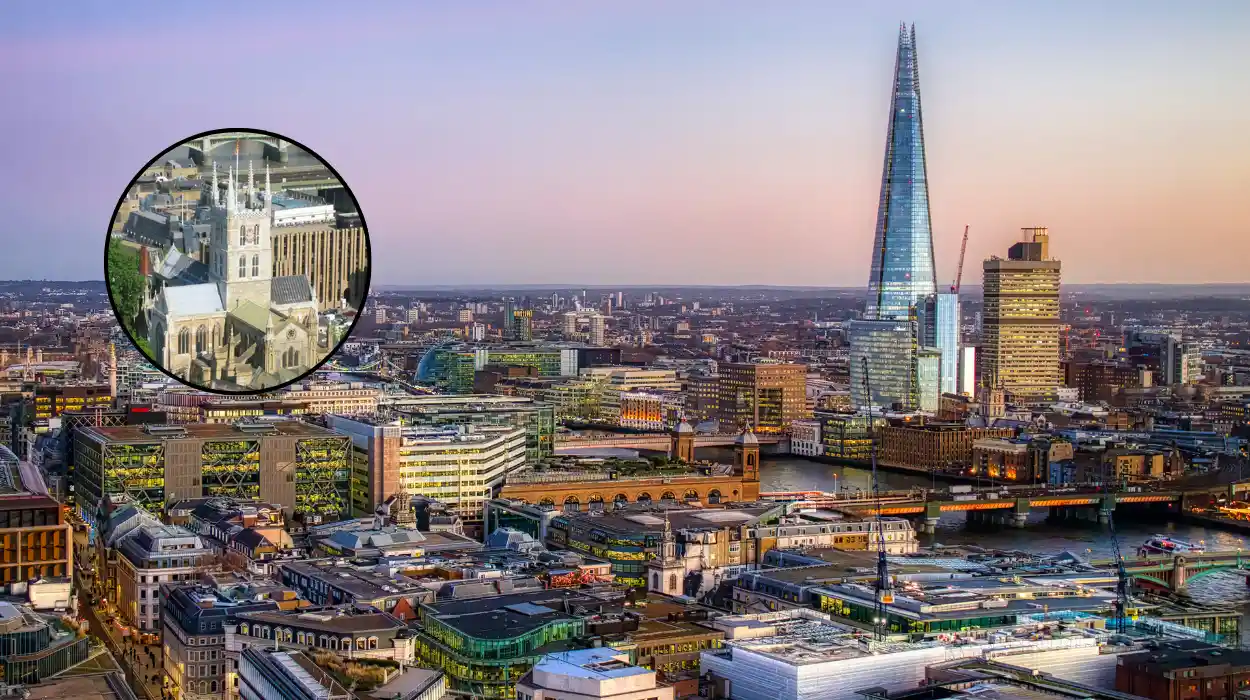
Southwark stands as a timeless cornerstone of South London, weaving together centuries of history, culture, and vibrant community life along the Thames. This borough captivates with its medieval markets, Shakespearean theaters, and modern skyline, offering endless appeal for locals seeking authentic experiences south of the river.
Rich Historical Roots
Southwark’s origins trace back to Roman times around 43 CE, when the first bridge across the Thames established it as a crucial gateway to Londinium, fostering early settlements and trade. By the Saxon era, Old Southwark—known as The Borough—developed into a bustling market town, escaping the City of London’s strict regulations to become a haven for taverns, brothels, and criminals in the Middle Ages. In 1550, Edward VI’s charter integrated it as Bridge Ward Without, solidifying its role in London’s expansion, while landmarks like Borough Market, documented since 1276, emerged as hubs of medieval commerce. St Mary Overie, later Southwark Cathedral, endured fires in 1206 and 1220, evolving into a Gothic masterpiece that buried poet John Gower in 1408 and hosted pivotal events like Jack Cade’s 1450 rebellion at the White Hart Inn.
Tudor and Stuart Glory
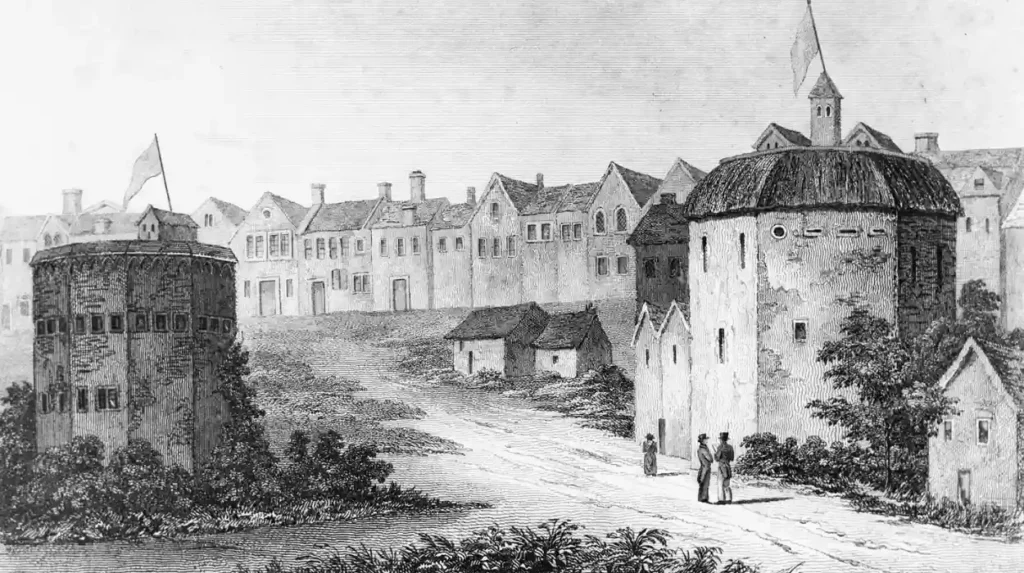
The Tudor period ignited Southwark’s cultural renaissance, with Bankside transforming into an entertainment epicenter beyond the City’s puritanical bounds. The infamous Clink Prison, referenced by 1509, epitomized its gritty side, while bear-baiting arenas and innovative playhouses like the Rose and Globe drew massive crowds—William Shakespeare himself resided here, staging works that defined English drama. The Globe’s modern thatched replica now welcomes over a million visitors annually, preserving this Elizabethan legacy. Sir Francis Drake’s Golden Hinde replica docks as a nod to maritime exploits, and raucous Southwark Fair thrived until its 1763 suppression, bridging eras before new spans like Blackfriars Bridge in 1769 and Southwark Bridge in 1819 drew it closer to the north bank. Turbulent moments, such as the 1780 Gordon Riots at St George’s Fields, further etched Southwark’s rebellious character into history.
Industrial Rise and Transformation
The 19th century ushered in industrialization, with the London and Greenwich Railway pioneering in 1836 at Spa Road station, spurring docks, factories, and population booms amid Victorian progress. Devastating fires, like the 1861 Tooley Street blaze, reshaped warehouses into modern spaces such as Hays Galleria, while Borough High Street’s 1830 widening and the new London Bridge in 1831 enhanced connectivity. Holy Trinity Church opened in 1824 on Trinity Square, standing amid gin palaces and slums that highlighted stark inequalities. By 1900, Southwark formed its own Metropolitan Borough, merging with Bermondsey and Camberwell in 1965 to create the contemporary London Borough of Southwark, a diverse tapestry of 310,000 residents blending grit and innovation.
Iconic Landmarks Today
Borough Market endures as London’s oldest food market, its stalls brimming with artisanal delights from medieval roots, drawing food enthusiasts on Wednesdays through Saturdays. Southwark Cathedral, England’s oldest Gothic church, offers serene cloisters, literary connections, and riverside tranquility. The Shard, towering at 310 meters since 2012, dominates the skyline with panoramic viewing platforms and fine dining. Shakespeare’s Globe revives open-air Elizabethan plays, complemented by the Tate Modern in the repurposed Bankside Power Station, where free contemporary art exhibits fill vast Turbine halls. The Clink Prison Museum immerses visitors in its torture-cell past, while the Millennium Bridge provides stunning walks to St Paul’s Cathedral.
Cultural and Entertainment Hub
Southwark throbs with artistic energy, from Bankside’s Unicorn Theatre for young audiences to the Southwark Playhouse nurturing bold productions. The Old Vic, established in 1818, has hosted legends like Ian McKellen, while BFI Southbank caters to cinephiles. Street art by Banksy and Stik graces Bermondsey walls, and festivals like Totally Thames celebrate the river’s heritage. Music spots such as Omeara fuel indie scenes, with Peckham’s Rye Lane and Elephant and Castle pulsing with Latin American and multicultural vibes, rooftop bars, and diverse nightlife.
Neighborhood Highlights
Bankside enchants with riverside theaters, galleries, and wine bars ideal for evenings out. The Borough pulses around its historic market, ancient pubs like The George from 1677, and street food havens. Bermondsey delights in craft beer trails along Bermondsey Street and weekend art walks. Peckham buzzes with global eats, Bussey Building’s rooftop cinema, and Frank’s Cafe atop a car park for skyline views. Elephant and Castle regenerates with universities, affordable housing, and Northern Line convenience, embodying South London’s dynamic evolution.
Food and Drink Scene
Culinary treasures abound, from Borough Market’s Padella pasta and Monmouth Coffee to raclette stalls and fresh oysters. Maltby Street Market in Bermondsey rivals with pies and brews, while Peckham Levels offers Jamaican jerk, Korean BBQ, and vegan gems. Historic riverside pubs like The Anchor from 1775 pour pints with Thames vistas, and Michelin-starred Restaurant Story innovates with foraged menus. Southwark Brewing Co. crafts acclaimed IPAs, catering to a scene that fuses tradition with trendy global flavors.
Green Spaces and Outdoors
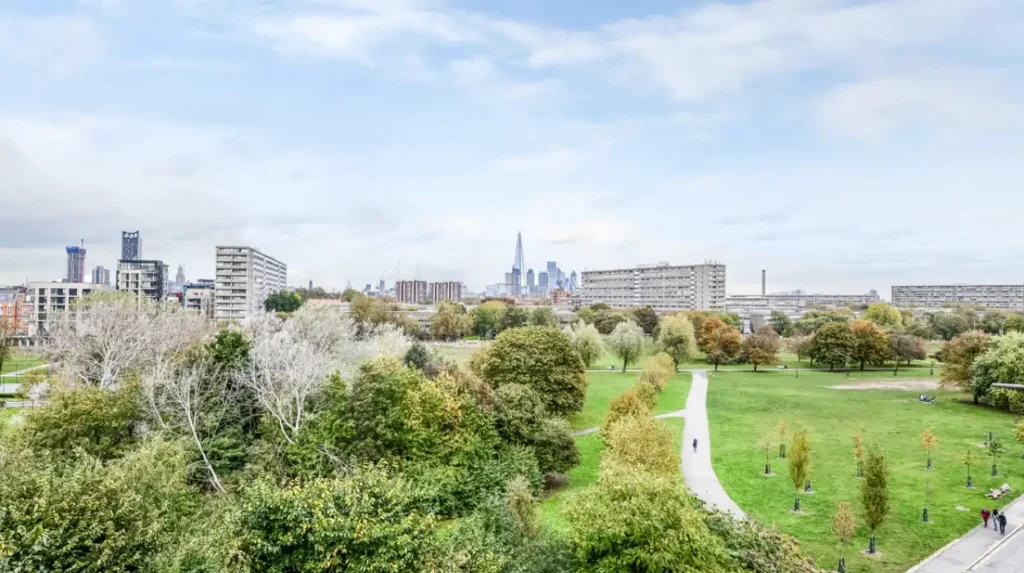
Southwark balances urbanity with nature, as Southwark Park’s 63 acres feature boating lakes, cherry blossoms, and peaceful paths since 1867. Burgess Park, reborn from WWII bomb sites, hosts cycling trails and multicultural gardens. Postman’s Park commemorates everyday heroes via poignant plaques, and the Thames Path invites leisurely strolls to Rotherhithe’s marshes for wildlife and panoramas.
Modern Life and Community
Diverse and youthful, Southwark’s 310,000 residents—40% from Black, Asian, and minority ethnic backgrounds—thrive amid young professionals, families, and artists. Regeneration projects like Elephant Park introduce eco-homes, while London South Bank University drives innovation. Community markets and arts initiatives foster resilience against housing pressures, preserving the borough’s spirited soul.
Getting Around Easily
Effortless transit defines Southwark: Jubilee and Northern lines zip through, Bakerloo serves Elephant and Castle, and Overground reaches Peckham Rye. Buses like the 381 trace the Thames, Cycle Superhighways and Santander bikes promote green commuting, and Thames Clippers ferry from London Bridge to Canary Wharf.
Why Southwark Endures
Southwark’s enduring allure lies in its unpretentious blend of ancient alleys, cultural depths, and forward momentum, making it a walkable, flavorful haven for South Londoners. From Shakespearean echoes to Shard sunsets, it delivers perpetual discoveries along the south bank.