Wandsworth Council in South London stands as a cornerstone of local governance for one of the capital’s most dynamic boroughs, overseeing services for over 330,000 residents in areas like Battersea, Clapham, Putney, and Tooting. Renowned for its low council tax and efficient operations, it balances historic charm with modern urban needs.
Borough Origins and Evolution
The London Borough of Wandsworth emerged from Victorian roots in 1856 with the Wandsworth District Board of Works, formed under the Metropolis Management Act to tackle sanitation amid Thames-side industrialization. By 1900, it divided into the Metropolitan Boroughs of Battersea and Wandsworth, which persisted until the 1965 London Government Act unified them into today’s borough. This evolution absorbed powers from the Greater London Council after its 1986 abolition, including education responsibilities from 1990 onward, shaping a resilient local authority.
Strategic positioning along the River Wandle transformed Wandsworth from rural hamlets to a key transport node, with early coach routes paving the way for today’s District Line and South Circular connectivity. The council’s heritage reflects South London’s shift from mills and breweries to contemporary hubs, preserving landmarks while adapting to growth.
Council Structure and Leadership
Operating as a cabinet-style council, Wandsworth features 60 councillors across 22 wards, elected every four years via first-past-the-post, with Conservatives holding sway since 1978 under leaders like Ravi Govindia. The full title, “The Mayor and Burgesses of the London Borough of Wandsworth,” underscores its historic burgess status, though it operates simply as Wandsworth Council from the grand Town Hall on High Street. Shared chief executive services with Richmond upon Thames since 2016 enhance efficiency, while the Greater London Authority handles broader strategies like policing.
This structure empowers focused delivery on hyper-local priorities, from planning to social care, earning acclaim for fiscal prudence and resident satisfaction in surveys.
Key Services for Residents
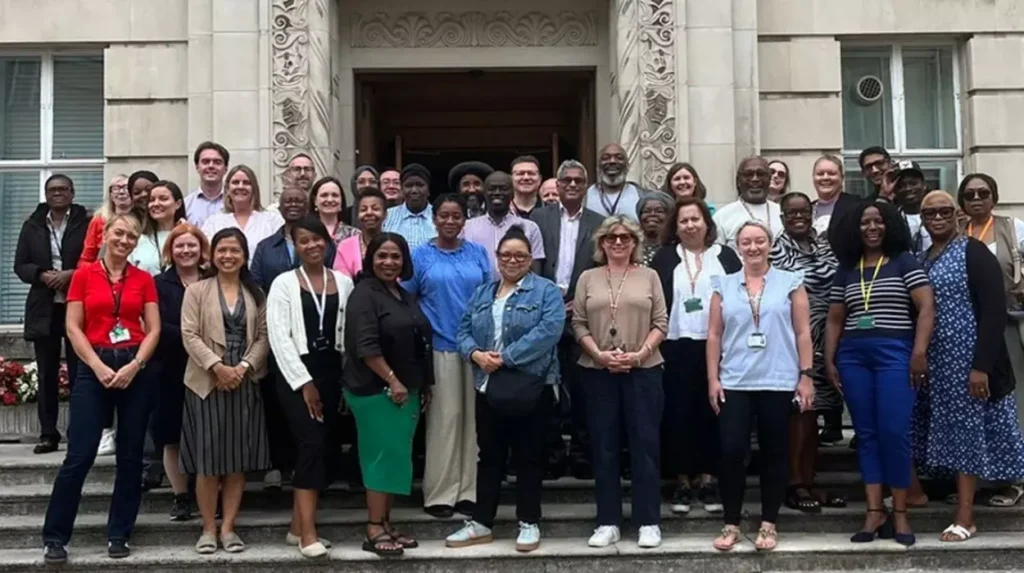
Council tax remains among London’s lowest at around £800 for Band D properties, funding essentials without sharp increases, while housing manages over 30,000 homes through schemes like Right to Buy, which privatized thousands since the 1980s. Waste services pioneered privatization in the Thatcher years, delivering fortnightly collections and high recycling rates at reduced costs. Parks such as 170-acre Wandsworth Common, rescued from Victorian disrepair since 1986, thrive under conservators, alongside education for 80+ schools.
These services prioritize affordability and accessibility, with online portals streamlining applications for everything from benefits to school admissions, making daily life smoother for South London families.
Economic Impact and Development
Wandsworth drives South London’s economy through low business rates, swift planning, and regeneration like Nine Elms and Battersea Power Station, injecting £9 billion and 25,000 jobs. Historic sites like Young’s Brewery evolved into enterprise zones supporting tech and creatives, with 1990s privatizations of cleaning services setting efficiency benchmarks nationwide. SMEs benefit from grants and lounges, cementing the borough’s innovation edge.
This pro-business stance attracts investment while safeguarding communities, blending riverside heritage with forward momentum.
Community and Cultural Highlights
Diversity flourishes under council initiatives like the Wandsworth Welcome fund combating hate, amid Black, Asian, and Eastern European communities. Cultural gems such as Battersea Arts Centre host global events, paired with NHS-partnered health services and mental health support. Sustainability shines via the Climate Emergency Action Plan for net-zero by 2030, including tree planting and EV incentives, while libraries and parks like Wandsworth Park foster festivals and learning.
These efforts cultivate inclusive, vibrant neighborhoods, enhancing quality of life for all residents.
Planning and Future Vision
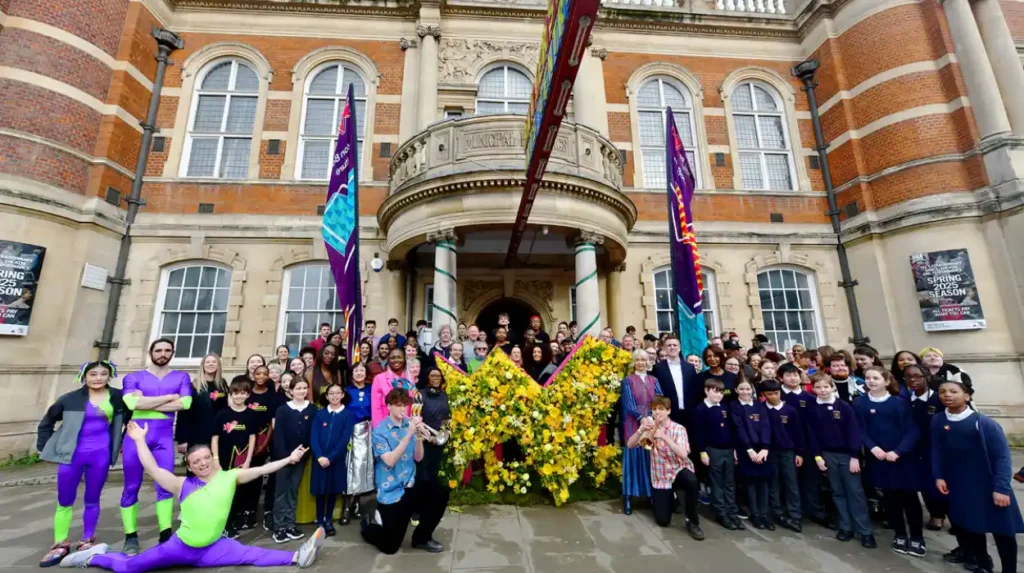
The Local Plan 2021-2036 targets sustainable housing near nodes like Clapham Junction, Europe’s busiest station, emphasizing green belts amid London’s crunch. Debates over social housing quotas persist, yet “excellent” service ratings reflect prudent management. Tools like the My Local Services app enable real-time engagement on issues from potholes to planning.
Wandsworth Council charts a path merging legacy with innovation, ideal for South London’s enduring appeal.