Lewisham offers a strong mix of historic parks, listed buildings, museums, and heritage landscapes across south-east London. The best places to visit are the Horniman Museum and Gardens, Beckenham Place Park, Blackheath, Deptford’s old town centre, and selected historic churches, theatres, and cemeteries that still define the borough’s character.
- Why does Lewisham matter for heritage tourism?
- Which historic place should you visit first?
- What should visitors know about Beckenham Place Park?
- Why is Blackheath important to history visitors?
- What historic buildings in Catford are worth seeing?
- What makes Deptford historically significant?
- Why visit Nunhead Cemetery and similar sites?
- Which churches and religious buildings stand out?
- What is the best way to plan a heritage route?
- How does Lewisham fit into South London history?
- What should first-time tourists prioritise?
Why does Lewisham matter for heritage tourism?
Lewisham matters because it combines older village centres, Georgian and Victorian architecture, riverside history, and major green spaces that preserve the borough’s past. It is a borough formed from distinct historic settlements, so tourists see layered London history rather than one single era or style.
Lewisham is not only a residential borough. It includes former villages and historic districts such as Deptford, Blackheath, Brockley, Lee, Ladywell, and Rushey Green, each with its own heritage character. That mix gives visitors a broad route through London’s social, architectural, and cultural history in one compact area.
For tourists, the borough works well as a heritage day out because many sites are walkable or easy to combine. For residents and business travellers, the same places also offer quiet breaks, scenic walks, and cultural stops between meetings or errands.
Which historic place should you visit first?
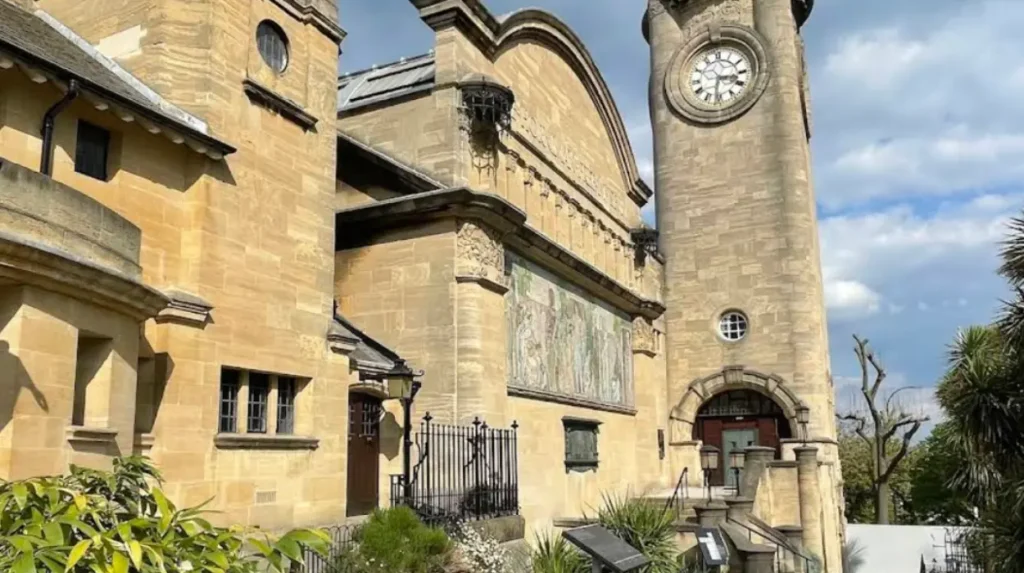
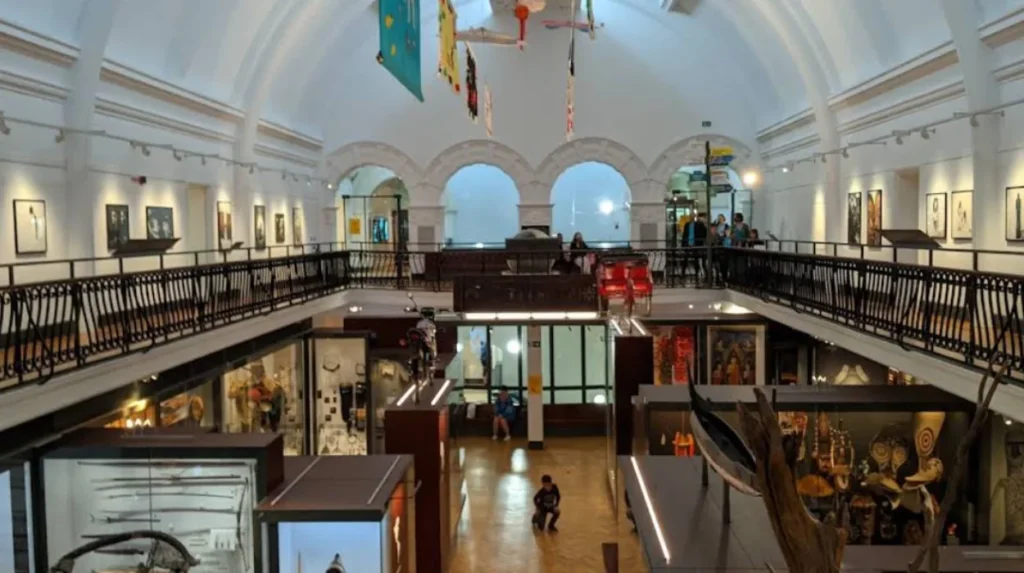
Start with the Horniman Museum and Gardens because it is the borough’s best-known heritage attraction and combines a Victorian museum building, landscaped gardens, and panoramic views over London. It gives first-time visitors a clear introduction to Lewisham’s historical and cultural identity.
The Horniman Museum opened in 1901 and remains one of Lewisham’s most significant historic public attractions. It is especially useful for visitors who want a single site that covers history, anthropology, music, and landscape design in one visit. The surrounding gardens add further value because they turn the visit into both a heritage stop and a leisure experience.
As a landmark, the Horniman also helps explain Lewisham’s wider appeal. It shows how the borough connects education, civic history, and public green space, which is a common pattern in south-east London.
What should visitors know about Beckenham Place Park?
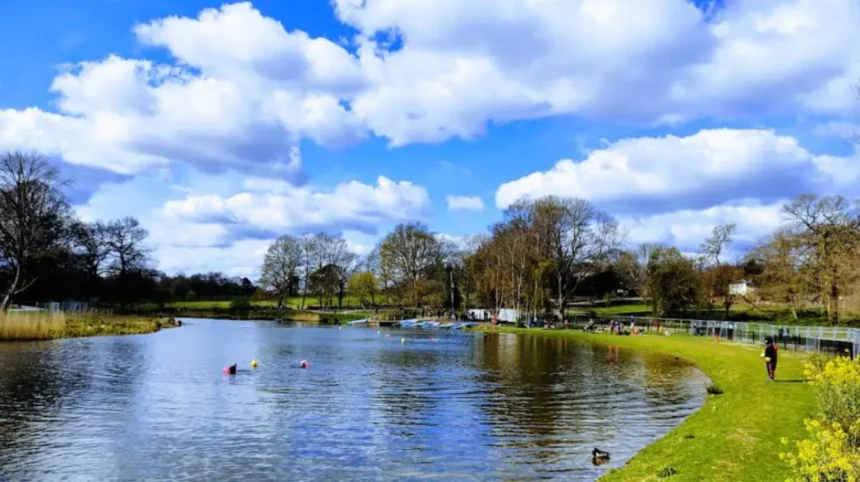
Beckenham Place Park is one of Lewisham’s most important historic estates. It combines a Grade II* listed Georgian mansion, ancient woodland, open parkland, and leisure facilities, so it suits tourists, walkers, and history visitors in one site.
The Georgian mansion is the central historic building in the park and gives the site its estate character. Historic England identifies Lewisham as an area with substantial local heritage significance, and Beckenham Place Park is one of the clearest examples of that legacy in landscape form. Its mix of historic fabric and contemporary public use shows how London estates have been repurposed without losing their identity.
The park is also useful for travellers who want a slower pace. It offers long walks, heritage scenery, and a strong sense of place that differs from the busier central London tourist circuit.
Why is Blackheath important to history visitors?
Blackheath matters because it is one of south-east London’s most recognisable historic open spaces and settlement areas. Its heritage value comes from its long-standing role as a village, common, and social meeting point, which still shapes the area’s layout and atmosphere today.
Blackheath sits within the wider historic geography of Lewisham and nearby districts. Tourists come here for the open landscape, older streets, and access to nearby heritage buildings. The area also helps visitors understand how London grew from village clusters and commons into a continuous city.
For a historic walking route, Blackheath works well as a starting point or linking area. It connects naturally with other heritage stops in Lewisham and Greenwich, giving visitors a stronger sense of south-east London’s old transport and settlement patterns.
What historic buildings in Catford are worth seeing?
Catford is worth visiting for the Broadway Theatre and nearby civic architecture. The Broadway Theatre is a Grade II listed venue and one of the borough’s strongest examples of a preserved cultural building with continuing public use.
Theatre buildings matter in urban heritage because they show how entertainment, local identity, and civic life developed together. The Broadway remains a community asset and is described by the council as a much-loved building with a rich history of productions. That makes it useful not only for performance audiences but also for visitors interested in listed architecture.
Catford’s heritage value also lies in its town-centre form. It reflects 20th-century London development, where older local landmarks sit beside later retail and civic layers.greenwich-and-lewisham.
What makes Deptford historically significant?
Deptford is historically significant because it has deep maritime, commercial, and urban roots. It is one of Lewisham’s oldest and most historically layered districts, so visitors can see how London developed around trade, river access, and industry.
Deptford’s heritage is tied to the Thames corridor and the older working life of south-east London. Even when specific streets have changed, the area still carries a strong sense of industrial and maritime history. That makes it ideal for tourists who want a more urban and historically dense experience than a park visit alone.
For modern visitors, Deptford also offers cultural reuse. Historic urban districts often survive through markets, small venues, and creative spaces, and Deptford remains a good example of that pattern in Lewisham.
Why visit Nunhead Cemetery and similar sites?
Nunhead Cemetery is a major Victorian burial landscape and one of the most atmospheric historic places near Lewisham’s borders. It matters because it preserves funerary architecture, mature planting, and the commemorative culture of 19th-century London.
Victorian cemeteries are important historic places because they combine landscape design, public memory, and social history. Nunhead gives visitors a clear example of how Londoners in the 1800s approached burial space, monument design, and urban expansion. It is especially relevant for tourists interested in architecture, botany, and memorial history.
These sites also help visitors understand how London managed growth. As the city expanded, large cemeteries became part of the urban fringe and later part of the heritage landscape. That makes them useful for both sightseeing and historical research.
Which churches and religious buildings stand out?
Lewisham’s historic churches stand out because they preserve Victorian Gothic design, community history, and local architectural detail. They are among the borough’s most accessible heritage buildings for visitors who want historic interiors as well as exterior façades.
The council highlights Hither Green Chapel as a notable Victorian building with original tiled flooring and stained glass. Such features matter because they show craft, material history, and changing patterns of worship and community use. Churches and chapels often survive as some of the clearest physical records of a district’s 19th-century development.
For tourists, these buildings work best as short heritage stops within a wider walking route. They fit neatly into a day that also includes parks, markets, and older town centres.
What is the best way to plan a heritage route?
The best heritage route in Lewisham combines one major museum, one historic park, one urban district, and one listed building. That structure gives visitors a complete view of the borough’s history through culture, landscape, and architecture rather than through isolated attractions.
A practical route starts with the Horniman Museum and Gardens, then moves to Beckenham Place Park, then into historic districts such as Blackheath or Deptford. This approach works because each stop adds a different layer: institutional history, landed estate history, and urban settlement history. It also suits tourists with only one day in south-east London.
As you explore the modern site, you are crossing land with a deep heritage. Read about the full [Lewisham historical background guide] to understand its origins.
For digital nomads and business travellers, this route also leaves room for cafés, open spaces, and transport links. Lewisham’s heritage areas are not museum-only destinations; they function as living neighbourhoods where history sits beside everyday life.
How does Lewisham fit into South London history?
Lewisham fits into South London history as a borough of former villages, estates, riverside connections, and changing cultural districts. Its heritage is defined by continuity: older places remain visible inside a modern London borough.
Historic England’s local heritage resources and the borough’s own tourism pages both show that Lewisham’s identity comes from multiple historic layers rather than one flagship monument. That makes it valuable for travellers who want a more authentic and less crowded heritage experience.
The borough’s importance also lies in contrast. It includes green commons, Victorian cemeteries, Georgian houses, theatres, museums, and commercial streets. Few London boroughs offer that combination in such a concentrated area.
What should first-time tourists prioritise?
First-time tourists should prioritise the Horniman Museum and Gardens, Beckenham Place Park, Deptford, and Blackheath. Those four stops deliver the clearest mix of heritage, landscape, and local character, while keeping travel simple and the itinerary efficient.
If time allows, add Catford’s Broadway Theatre and a Victorian cemetery visit. Those places deepen the story by showing how Lewisham’s heritage extends beyond parks and museums into entertainment, memory, and civic life. Together, they give visitors a fuller picture of why Lewisham belongs on a south-east London heritage itinerary.
Lewisham rewards visitors who want history that is lived in, not staged. Its historic places are still part of daily borough life, and that gives the area a strong, practical appeal for tourists, local explorers, and work-focused visitors alike.
What are the best historic places to visit in Lewisham?
The top historic attractions in Lewisham include the Horniman Museum and Gardens, Beckenham Place Park, Blackheath, Deptford, the Broadway Theatre in Catford, Hither Green Chapel, and Nunhead Cemetery. Together they showcase the borough’s museums, heritage buildings, parks, and historic landscapes.