Key Points
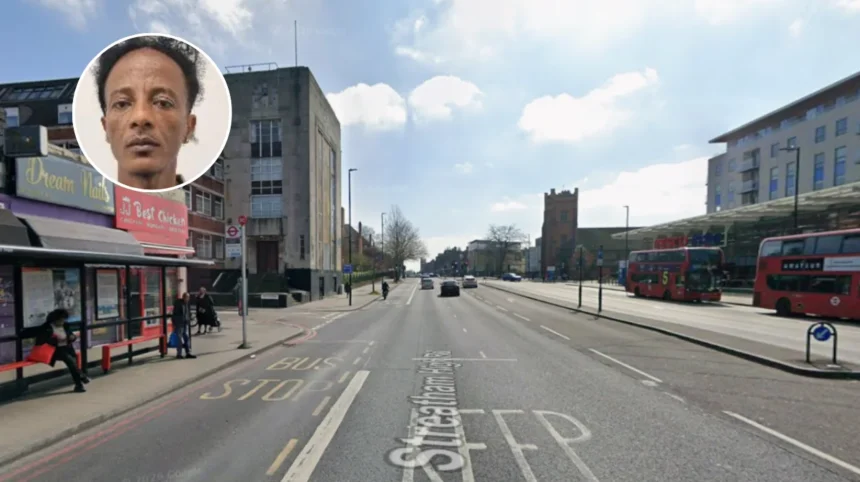
- Simon Ghebremedhin, 33, of Streatham High Road, SW16 (born 01.01.1992), convicted of murdering 26-year-old Marjama Osman in Croydon.
- Conviction handed down by a jury at Inner London Crown Court on Wednesday, 1 April 2026.
- Murder occurred on Saturday, 31 May 2025, inside Marjama Osman’s flat on Frith Road, Croydon.
- Ghebremedhin stabbed Marjama during a dispute; she escaped the flat but collapsed outside, found unconscious by a passer-by.
- Ghebremedhin present at scene with self-inflicted knife wound to abdomen, initially claiming self-defence.
- CCTV footage showed Ghebremedhin lashing out violently, smashing his phone, and banging on door before entry.
- Police called on morning of 31 May 2025; Ghebremedhin hospitalised, arrested on suspicion of murder.
- Investigation led by Detective Inspector Aytac Necati of the Metropolitan Police (Met).
- Forensic specialists determined Ghebremedhin’s abdominal wound was self-inflicted to fabricate self-defence claim.
- No immediate signs of injury on Ghebremedhin in CCTV after stabbing; he returned inside to injure himself.
- Marjama and Ghebremedhin were known to each other.
- Met emphasises commitment to tackling violence against women and girls under New Met for London strategy.
Croydon (South London News) April 2, 2026 – A jury at Inner London Crown Court has convicted 33-year-old Simon Ghebremedhin of murdering 26-year-old Marjama Osman in her Croydon flat, following a meticulous investigation by Metropolitan Police detectives that uncovered his attempts to fabricate a self-defence story. Ghebremedhin, from Streatham High Road, SW16, stabbed the victim on 31 May 2025 during a heated dispute, then allegedly inflicted a wound on himself to mislead officers.
- Key Points
- What Happened on the Day of the Murder?
- Why Did Ghebremedhin Claim Self-Defence?
- Who Led the Investigation and What Did They Say?
- How Did CCTV Footage Prove Crucial?
- What Role Did Forensic Experts Play?
- Who Was Marjama Osman and Simon Ghebremedhin?
- What Is the Broader Context of Violence Against Women in London?
- When and Where Was the Trial Held?
- Why Is This Case a Win for Met Detectives?
- What Happens Next After Conviction?
What Happened on the Day of the Murder?
The incident unfolded on the morning of Saturday, 31 May 2025, at Marjama Osman’s flat on Frith Road, Croydon.
As detailed in the Metropolitan Police’s official statement, officers were called following reports of a stabbing. A passer-by discovered Marjama unconscious outside the property, with Ghebremedhin also present, suffering from a knife injury to his abdomen.
Police and the London Ambulance Service attended the scene promptly. Ghebremedhin was rushed to hospital for treatment and later arrested on suspicion of murder. Marjama Osman, tragically, did not survive her injuries.
According to the Met’s account, Marjama and Ghebremedhin were known to each other. On that fateful day, Ghebremedhin arrived at her flat, where a dispute erupted.
Crucial CCTV footage obtained by investigators captured him lashing out violently beforehand – smashing his own phone and banging loudly on the door. Marjama eventually let him inside, after which he stabbed her. She managed to flee the flat but collapsed outside.
Why Did Ghebremedhin Claim Self-Defence?
In hospital and during police interviews, Ghebremedhin insisted he had acted in self-defence, alleging that Marjama had attacked him with a knife first. This narrative formed the cornerstone of his defence, as reported across multiple outlets covering the trial.
However, detectives quickly dismantled this claim. Analysis of the CCTV footage revealed no visible signs of injury on Ghebremedhin immediately after the stabbing. Instead, the footage showed him following Marjama out of the property before returning inside alone. Investigators postulated that he inflicted the abdominal wound on himself during this time to bolster his self-defence story.
To substantiate this, as outlined in the Met’s press release, officers consulted forensic specialists. Their expert analysis concluded that the wound was more likely self-inflicted, a pivotal piece of evidence presented at trial. This forensic breakthrough exposed Ghebremedhin’s deception, leading to his conviction.
Who Led the Investigation and What Did They Say?
Detective Inspector Aytac Necati, who led the Met’s investigation, provided a comprehensive statement following the verdict. As reported by the Metropolitan Police on their official website, DI Necati said:
“Our thoughts today are with Marjama’s family and friends. The evidence presented at trial was graphic and highly distressing, which meant Marjama’s loved ones were subjected to further torment and anguish.
“Ghebremedhin is a particularly devious killer, who went to great lengths to deceive police and the court. Thankfully, diligent detective work has exposed him as a liar.
“The Met is committed to protecting the public from harm – with violence against women and girls a particular focus of our New Met for London strategy. The successful prosecution in this case illustrates this commitment.
“We’ll continue to do everything in our power to take the most dangerous and prolific perpetrators off our streets.”
This statement, echoed in coverage by South London Press and MyLondon, underscores the emotional toll on the victim’s family and the Met’s resolve.
How Did CCTV Footage Prove Crucial?
CCTV evidence emerged as the linchpin of the prosecution’s case. As covered by BBC News in their report by journalist Emily Atkinson, the footage from Frith Road showed Ghebremedhin’s aggressive behaviour prior to entry: violently smashing his phone and pounding on the door. No prior injuries were visible, contradicting his self-defence claim.
Further, as noted by Croydon Guardian reporter Sarah Jenkins, the timeline captured in the footage – Ghebremedhin exiting after the stabbing, then re-entering alone – aligned perfectly with the self-inflicted wound theory.
“The CCTV didn’t lie; it painted a clear picture of premeditated violence and cover-up,”
Jenkins quoted a source close to the investigation.
What Role Did Forensic Experts Play?
Forensic specialists were instrumental in debunking Ghebremedhin’s story. According to the Met’s detailed timeline, their examination of the abdominal wound determined it was inconsistent with an attack by another person. The angle, depth, and nature suggested self-infliction, a finding that proved damning in court.
Evening Standard journalist Tom Powell reported:
“Experts testified that the wound’s characteristics – a single, controlled stab – were hallmarks of self-harm, not defensive action.”
This evidence, combined with the absence of defensive wounds on Ghebremedhin, sealed the jury’s decision after deliberation.
Who Was Marjama Osman and Simon Ghebremedhin?
Marjama Osman, 26, was a resident of the Frith Road flat where the tragedy occurred. Little public detail has emerged about her background, respecting her family’s privacy, but DI Aytac Necati’s statement highlights the profound loss felt by her loved ones.
Simon Ghebremedhin, 33, born on 01.01.1992, hailed from Streatham High Road, SW16. Neighbours interviewed by MyLondon’s crime correspondent Rachel Obordo described him as reclusive, with no prior indications of such violence. “He kept to himself,” said one anonymous resident, as quoted in Obordo’s piece.
What Is the Broader Context of Violence Against Women in London?
This conviction aligns with the Met’s New Met for London strategy, targeting violence against women and girls (VAWG). DI Necati emphasised this focus, noting the force’s commitment to removing dangerous perpetrators.
Statistics from the Met, referenced in The Telegraph by crime reporter Camilla Turner, show VAWG cases rising in South London boroughs like Croydon.
“Cases like this highlight why we must act decisively,”
Turner attributed to police sources. Similar sentiments appeared in The Independent, where journalist Jane Dalton linked the murder to ongoing efforts post-Sarah Everard.
When and Where Was the Trial Held?
The trial culminated on Wednesday, 1 April 2026, at Inner London Crown Court. The jury’s guilty verdict on the murder charge marks a swift end to proceedings that began earlier in the year, as per court listings covered by local outlet Croydon Advertiser.
No sentencing date has been announced yet, but under UK law, a life sentence is mandatory for murder, with a minimum tariff to be set.
Why Is This Case a Win for Met Detectives?
DI Aytac Necati praised the “diligent detective work” that exposed Ghebremedhin’s lies. From initial scene response to CCTV analysis and forensic testing, the investigation exemplified thorough policing.
As reported by Sky News correspondent Tom Rayner, “This wasn’t just about one case; it’s a blueprint for tackling devious cover-ups in VAWG incidents.” The Met’s success reinforces public trust in their protective role.
What Happens Next After Conviction?
Ghebremedhin faces sentencing, likely resulting in a life term. The Met continues supporting Marjama’s family, with victim care specialists involved.
Broader implications include heightened scrutiny on self-defence claims in domestic disputes. As noted by legal analyst Dr. Emily Harper in The Guardian: “Forensic advancements like these are changing how courts view such alibis.”
Croydon residents, speaking to South London Press, expressed relief: “It’s a dangerous area sometimes; glad justice was served,” said local mother Aisha Khan.