Key Points
- Targeted Operations: A new anti-knife crime initiative, the “No Place for Knives” campaign, is being piloted in Croydon, alongside Westminster and Birmingham city centre.
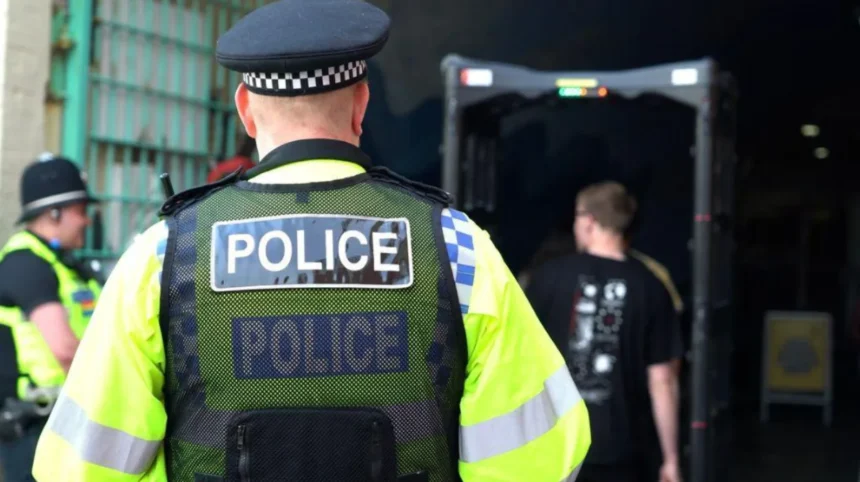
- Tactical Resources: The crackdown introduces heightened police patrols, live facial recognition technology, and rapid-response e-bikes tailored for high-risk zones.
- Public Awareness Campaign: Adverts are scheduled for deployment across public transport hubs, bus stops, and social media channels to highlight the increased police presence.
- Community Engagement: BOXPARK Croydon will feature a specially commissioned mural to reinforce the message of the campaign within the local community.
Croydon (South London News) November 3, 2026 – A targeted operational strategy aimed at curbing knife-related offenses has officially been introduced in Croydon. The Home Office campaign, titled “No Place for Knives,” combines enhanced technological surveillance with high-visibility policing across identified violent crime hotspots. Under the pilot scheme, law enforcement will deploy live facial recognition systems alongside specialized units operating rapid-response e-bikes to increase mobility through congested urban areas.
The initiative is designed to tackle persistent violent crime by establishing a visible deterrent in high-footfall areas. Alongside physical enforcement tactics, the program incorporates a wide-reaching awareness drive. Advertisements will be placed across railway stations, bus stops, and digital platforms to notify the public of ongoing intelligence-led operations and increased officer deployment. As part of the public engagement effort, a dedicated visual mural is set to be installed at BOXPARK Croydon to anchor the campaign within the local community space. Croydon was selected as a key pilot location alongside central Westminster and Birmingham city centre.
Background
Croydon has historically faced significant challenges regarding youth safety and knife-related offenses, leading to repeated calls from local community leaders and public officials for specialized policing interventions. Metropolitan Police data from recent years has consistently highlighted specific corridors within the borough as high-priority zones for violent crime reduction strategies.
The implementation of “No Place for Knives” follows consecutive national enforcement initiatives aimed at reducing weapon possession through early intervention and deterrence. Live facial recognition deployment by law enforcement has expanded in recent months across select urban hubs in London, drawing both support for its precision capabilities in locating wanted individuals and scrutiny regarding privacy parameters. The introduction of rapid-response e-bike units reflects an evolving operational adjustment by the Metropolitan Police to navigate pedestrianised town centres and reach incident locations faster than standard patrol vehicles.
Prediction: How will this development affect local residents and businesses?
The roll-out of the pilot is expected to bring immediate structural changes to the daily environment for residents, visitors, and commercial operators within central Croydon.
- Local Residents: Members of the community will notice an amplified law enforcement presence, particularly around key transport hubs such as East Croydon and West Croydon stations. Increased stop-and-search operations and the visible presence of facial recognition equipment may contribute to heightened security in public areas, while simultaneously prompting ongoing community discussion around monitoring and civil liberties.
- Local Businesses and Retailers: Enterprises operating within central commercial areas and entertainment venues, including BOXPARK Croydon, may benefit from enhanced security measures intended to deter anti-social behaviour and violent disruptions. The increased officer foot traffic around high-density commercial spots is designed to improve public confidence and footfall during peak hours.
- Transport Commuters: Daily commuters utilizing local bus and train networks will see targeted messaging across infrastructure hubs, accompanied by tactical patrol teams designed to prevent weapon carriage on public transit corridors.