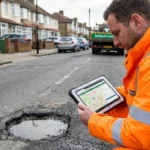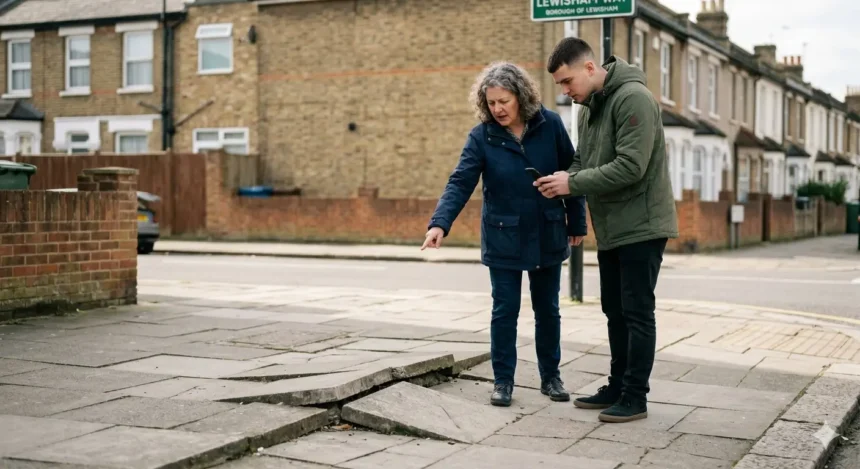
Report broken pavements to Lewisham Council using their dedicated online service on the council website. Local residents in Bexley, Bromley, Lewisham, Southwark, Greenwich, and Croydon can follow similar processes through their respective South London council portals for quick resolution.
Why This Issue Matters to Local Residents
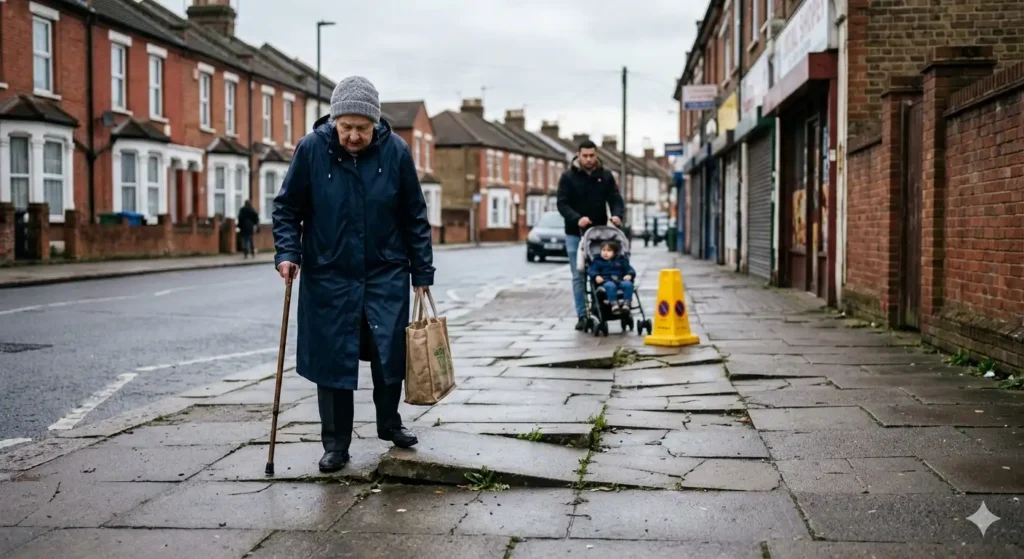
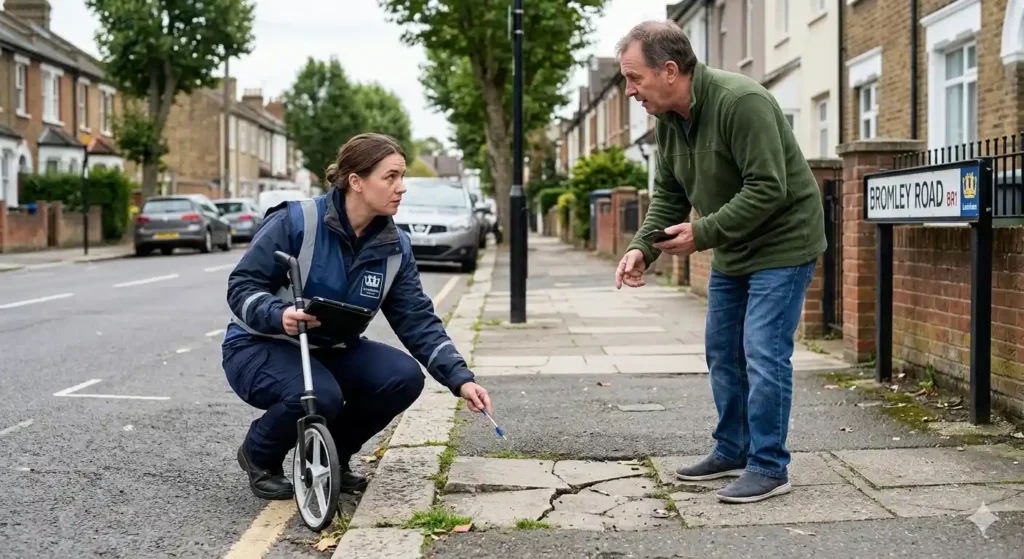
Broken pavements pose everyday hazards for pedestrians across South London. Uneven slabs or cracks can lead to trips and falls, particularly affecting families with young children, elderly residents, and those using mobility aids.
In busy areas of Lewisham, Bexley, Bromley, Southwark, Greenwich, and Croydon, these defects disrupt safe walking routes to shops, schools, and public transport. Addressing them promptly enhances community safety and accessibility for all local residents.
Regular reporting helps maintain footways, preventing minor issues from worsening into costly repairs. South London councils prioritise these fixes to support active travel and reduce accident risks.
Which Council Service Handles It
Lewisham Council manages pavement repairs through its Roads and Pavements team within the Roads and Transport service. This department oversees footway maintenance on public highways under their jurisdiction.
For residents in neighbouring boroughs, Bexley Council uses its street defects reporting system, while Bromley, Southwark, Greenwich, and Croydon have equivalent highways or streets services. Each South London council delegates pavement issues to specialised maintenance teams.
These services ensure defects on adopted public paths fall under council responsibility, distinct from private land or utility covers. Confirm the location’s status via council maps if needed.
Step-by-Step Actions to Solve the Problem
Follow these clear steps to report broken pavements to Lewisham Council effectively.
- Access the council’s “Report a pavement problem” online service directly from their Roads and Pavements section.
- Enter the exact location using a postcode, street name, or map pin for precision.
- Describe the issue in detail, noting the type of damage like cracked slabs, raised edges, or trip hazards.
- Add photos if possible to show the extent of the breakage.
- Provide your contact details for updates, then submit the report.
The process takes minutes and generates a reference number for tracking. Similar steps apply for Bexley Council, Bromley, Southwark, Greenwich, and Croydon via their online forms.
Information or Documents Needed
Prepare basic details to make your report accurate and actionable. Key elements include the precise location, such as “near the junction of Loampit Hill and Jerrard Street, Lewisham.”
Describe the defect clearly: measure approximate size if safe, like a 30cm raised slab or multiple cracks. Photos from different angles strengthen the submission, showing hazards without personal details.
No formal documents are required, but include your email or phone for follow-ups. For South London councils like Bexley or Croydon, the same location and description format applies universally.
Expected Response Time
Lewisham Council assesses reported pavement defects based on risk levels, following standard highways practices. High-risk issues, posing immediate danger, receive attention within 24 hours.
Medium-risk breaks aim for inspection within 7 days, with repairs targeted in 28 days if approved. Lower-priority defects enter planned maintenance schedules, potentially taking longer.
Across South London councils, including Bromley and Greenwich, timelines align with Department for Transport guidelines, prioritising safety. Track progress using your reference number.
What to Do If Follow-Up Is Required
If no update arrives within expected times, check your report status via the council’s online portal using the reference number. Contact Lewisham Council’s Roads and Transport team politely for clarification.
For persistent issues, submit a new report with updated photos or escalate through the council’s formal complaints process after initial assessment. Neighbouring Bexley Council or Southwark offer similar tracking tools.
Document all communications, including dates and references, to support further enquiries. Local residents benefit from patient follow-ups that keep services accountable.
Rights and Responsibilities Under UK Rules
Under the Highways Act 1980, councils like Lewisham have a duty to maintain public footways in a safe condition. Residents hold the right to report defects and expect reasonable responses based on available resources.
Your responsibility includes reporting hazards promptly and accurately, avoiding temporary fixes that could endanger others. UK law requires councils to inspect routes regularly, but public vigilance fills inspection gaps.
In South London boroughs such as Croydon and Greenwich, these rules ensure balanced obligations, promoting collaborative upkeep of shared spaces.
Practical Tips to Avoid the Problem in Future
Prevent escalation by reporting small cracks early through Lewisham Council’s service. Wear appropriate footwear on known uneven paths and alert others to hazards temporarily.
Support community efforts like neighbourhood watches that monitor streets collectively. Choose walking routes via well-lit, maintained areas when possible.
For Bexley, Bromley, Southwark, Greenwich, and Croydon residents, regular use of local council apps fosters proactive maintenance. Stay informed via council newsletters on resurfacing plans.
Are councils responsible for pavements in Lewisham?
Yes. Lewisham Council is responsible for maintaining most public pavements and footpaths in the borough. If you notice a broken or damaged pavement, you can report it to the council so it can be inspected and repaired.