Key Points
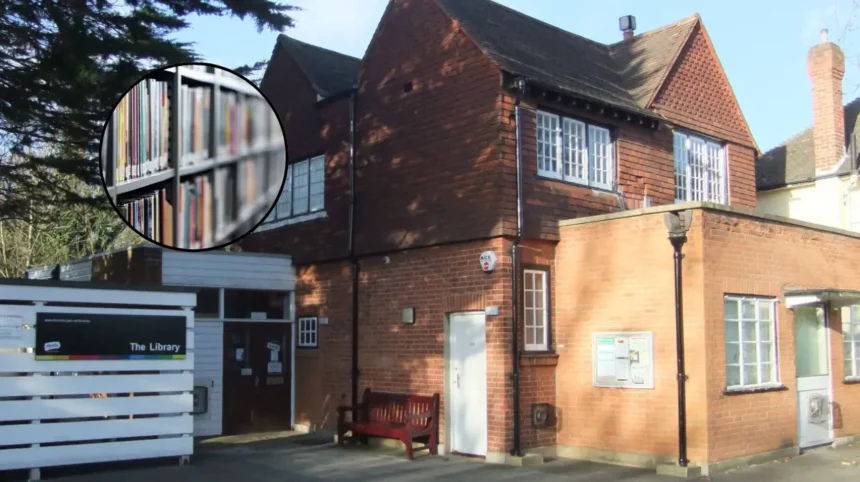
- Structural Safety Closure: Shortlands Library, located at 110 Shortlands Road in south London, was shut down by Bromley Council in January after structural cracks were identified along one of its rear walls.
- Hazardous Materials and Ground Failure: Official investigations revealed the presence of asbestos within the cracking walls alongside a sinkhole beneath the floor structure.
- Vegetation and Soil Factors: Root activity from two large trees situated at the front of the library, combined with underlying London clay soil, caused severe subsidence and structural movement.
- Complex Phased Remediation: Tree removal must be carried out in stages outside of bird nesting seasons to protect nearby properties, delaying the start of physical building repairs until autumn.
- Extended Reopening Timeline: Municipal officials expect the original library premises to remain unavailable for many months or potentially years.
- Interim Operations and Decanting: Temporary library services continue inside St Mary’s Church on Kingswood Road, with plans underway to upgrade the interim space while decanting the main facility following mandatory air quality testing.
Bromley (South London News) August 15, 2026— As reported by Local Democracy Reporting Service reporter Cameron Blackshaw, Bromley Council announced the results of a detailed structural investigation into Shortlands Library, confirming that the building contains asbestos and a sinkhole that could keep the facility closed for years. The municipal authority originally suspended public access to the property at 110 Shortlands Road in January after inspectors discovered substantial cracking along a rear wall. Subsequent environmental and engineering assessments established that the structural instability was driven by tree-induced subsidence, which led to internal wall damage near hazardous insulation materials and compromised the concrete floor slab.
- Key Points
- What Caused the Sudden Closure of Shortlands Library?
- What Did the Investigation Reveal Regarding Asbestos and Structural Hazards?
- How Will the Council Manage Site Recovery and Temporary Library Services?
- What Is the Background of This Development?
- What Is the Prediction for How This Development Will Affect the Local Community?
What Caused the Sudden Closure of Shortlands Library?
The initial decision to close Shortlands Library was taken in January as a precautionary safety measure after council maintenance teams observed deep structural cracks developing along the building’s rear wall. To maintain local services, the council transitioned basic library provisions to a temporary site within St Mary’s Church on Kingswood Road.
Following the immediate closure, specialized engineering teams conducted subterranean and material investigations to determine the root causes of the structural movement. The detailed survey revealed that two massive trees positioned directly in front of the building had extracted moisture from the ground, prompting severe soil movement.
This movement resulted in structural displacement, which opened up cracks through sections of wall containing asbestos and contributed to ground failure that formed a sinkhole beneath the flooring.
What Did the Investigation Reveal Regarding Asbestos and Structural Hazards?
As reported by Local Democracy Reporting Service reporter Cameron Blackshaw, a spokesperson for Bromley Council stated:
“The two large trees at the front are causing subsidence at the property. This is causing cracking in the walls, including where there is asbestos present, and a sinkhole in the floor.”
The spokesperson added:
“Because the trees are so large they will need to be taken down in stages to avoid damage to nearby properties, and seasonally (outside of nesting season). Therefore, it will take some time to remove them, and we wouldn’t be able to start until this autumn.”
According to municipal documentation, air monitoring tests carried out during the initial investigative stage confirmed that no airborne asbestos fibers were detected, indicating that air quality inside the facility remained safe during the testing window.
However, local authorities emphasized that ongoing structural movement prevents guaranteed long-term safety regarding the material, making the full, safe containment or removal of asbestos a necessary prerequisite before any major restoration can proceed.
How Will the Council Manage Site Recovery and Temporary Library Services?
To address the immediate operational disruption, Bromley Council is preparing to execute a formal decanting protocol at the Shortlands Road facility. Before clearing the interior, environmental teams will execute stringent secondary air quality tests.
Provided no free-floating asbestos particles are recorded, staff will enter to retrieve books, IT equipment, furniture, and administrative materials so they can be reused across the borough’s wider library network or allocated to the temporary branch.
Simultaneously, the local authority plans to enhance the interim setup at St Mary’s Church. Upgrades will focus on creating an expanded, better-equipped library environment for local visitors while the long-term future of the primary building is determined.
As reported by Local Democracy Reporting Service reporter Cameron Blackshaw, the Bromley Council spokesperson noted:
“Only once the trees are fully removed could we start to repair and refurbish the property. The implications of this are that the current library building will be unavailable for many months if not years.”
In light of these extended timelines, council officers confirmed they are reviewing all long-term strategic options for the neighborhood, including the exploration of alternative permanent sites across Shortlands if structural remediation proves unviable.
Explore More Bromley News
Bromley Football Club Plans Solar Panels at Hayes Lane, Bromley 2026
2,200‑Home Green Belt Plan Divides Bromley Residents in 2026
What Is the Background of This Development?
Shortlands Library operates within a historic suburban sector of the London Borough of Bromley, where many public and residential structures sit atop London clay.
London clay is highly susceptible to shrink-swell behavior, a process where soil expands significantly when saturated and contracts during dry periods. Prolonged heat and dry conditions across recent summer seasons accelerated moisture loss in the soil, compounding subsidence risks across older municipal assets throughout south London.
The presence of asbestos in mid-20th-century public buildings remains a widespread challenge across the United Kingdom.
When left undisturbed, asbestos-containing construction materials generally present minimal health risks; however, structural shifting, cracking, or invasive engineering works can cause microscopic fibers to dislodge, presenting severe respiratory hazards.
Combined with unrecorded legacy drainage systems and localized soil collapse, structural repairs on such sites require specialized, multi-stage remediation protocols that heavily extend overall project durations.
What Is the Prediction for How This Development Will Affect the Local Community?
The extended closure and prolonged repair process for the Shortlands Road site will directly impact several key demographic groups within the Shortlands and broader Bromley community:
- Local Residents and Families: Community members relying on 110 Shortlands Road will face long-term reliance on the reduced facilities at St Mary’s Church. While the temporary church site preserves access to core reading materials, space limitations may restrict community group meetings, early-years story time sessions, and public study space.
- Students and Elderly Patrons: Students seeking quiet revision areas and elderly residents dependent on localized public IT infrastructure and digital council services will experience reduced access to specialized facilities until the temporary location is fully upgraded or a permanent venue is established.
- Local Taxpayers and Council Budgetary Planning: The multi-phased nature of the works—encompassing seasonal tree removal, asbestos abatement, floor slab reconstruction, and ground stabilization—will demand significant capital allocation. This expenditure, alongside potential site relocation studies, may strain municipal funding priorities within the borough’s cultural and leisure services budget.
- Nearby Property Owners: The controlled, phased felling of the large trees starting in autumn will temporarily alter the immediate streetscape on Shortlands Road. However, the mitigation of subterranean root encroachment may reduce secondary subsidence risks for adjacent residential properties along the same clay boundary.