Key Points
- A new CPRE London report, Cashing-in on London’s Parks and Countryside, warns that more than 50 parks and open spaces across London are at risk from over-commercialisation, development for housing, or other uses.
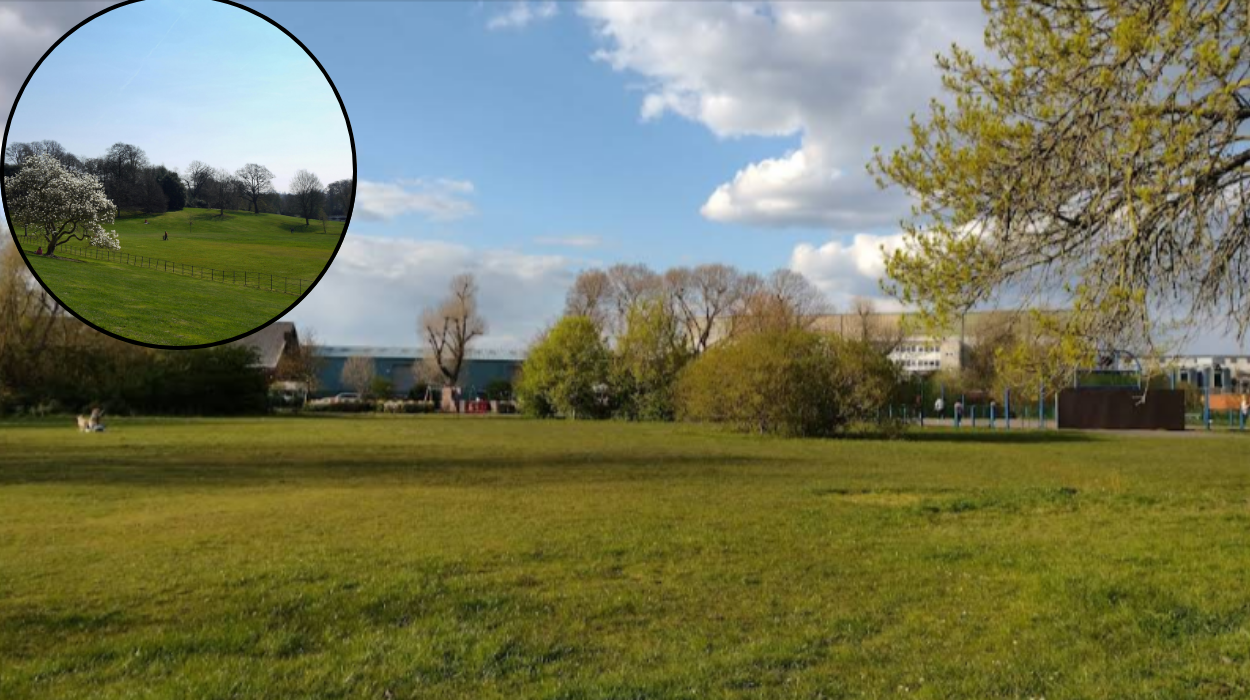
- Sites in Croydon, Bromley, and Merton are specifically listed as under threat, including the former NatWest Sports Ground in Norbury, Norwood Grove in Croydon, and others in Bromley such as Biggin Hill, Norman Park, and St Mary Cray.
- Merton Council recently approved 353 homes on the former NatWest Sports Ground, a designated open space, marking it as a site lost since CPRE’s previous 2024 report.
- Norwood Grove, described as once the most beautiful park in south London, features a neglected 200-year-old Grade II-listed house added to the Heritage at Risk Register in November 2024.
- The Wimbledon tennis club’s plans to extend their tournament onto public parkland in Wimbledon Park are rated “under threat,” with objections currently before the High Court.
- Bromley has five sites listed as at risk, the highest in Greater London; Brockwell Park in Lambeth faces over-commercialisation from music festivals, leading to public closures.
- Lambeth Council cancelled the free Lambeth Country Show in Brockwell Park this year as a cost-cutting measure.
- Croydon Council received £23m in grants for park upkeep, yet only eight of its 127 open spaces hold Green Flag status.
- Dame Judi Dench, recruited by CPRE London, warns that 10% of the nation’s public spaces have been lost in less than half a century, stressing the urgency to protect remaining green spaces.
- CPRE highlights that threatened sites include protected areas like Green Belt land, Metropolitan Open Land, parks, recreation grounds, sports fields, and nature reserves.
- Councils, facing budget pressures, are neglecting parks and eyeing them as assets to sell for statutory services.
Croydon (South London News) January 27, 2026 – A stark new report from CPRE London has exposed over 50 parks and open spaces across the capital at imminent risk of development or over-commercialisation, with several sites in Croydon, Bromley, and Merton flagged as particularly vulnerable. Despite Croydon Council receiving £23 million in grants for park maintenance, only eight of its 127 open spaces boast Green Flag status, raising alarms about neglect and potential asset sales. Campaigners, backed by Dame Judi Dench, urge immediate action to safeguard these vital green lungs before further losses occur.
- Key Points
- What Does the CPRE Report Reveal?
- Which Parks in Croydon Face the Greatest Danger?
- Why Are Bromley’s Green Spaces So Vulnerable?
- What Threats Loom Over Merton and Wimbledon?
- How Is Over-Commercialisation Harming Parks Like Brockwell?
- Who Is Championing the Campaign to Save These Spaces?
- Why Are Councils Turning to Parks for Revenue?
- What Role Did Inside Croydon Play in Highlighting Norwood Grove?
- How Does the NatWest Sports Ground Case Exemplify Losses?
- What Broader Lessons Emerge for London’s Green Future?
What Does the CPRE Report Reveal?
The Campaign to Protect Rural England (CPRE) London branch released Cashing-in on London’s Parks and Countryside, a comprehensive analysis detailing threats to London’s green spaces. As reported by Gianella A Basile of Inside Croydon, the report claims more than 50 parks and open spaces in London are endangered by over-commercialisation or redevelopment for housing and other purposes. CPRE London warns starkly:
The document lists specific sites across boroughs, emphasising protected designations now under siege. In Croydon and neighbouring areas, the former NatWest Sports Ground in Norbury – on the Merton-Croydon-Lambeth boundary – is cited as a loss since the 2024 report. Merton Council approved 353 homes on this designated open space site, as noted by Inside Croydon in their February 2025 coverage.
CPRE London categorises threats into “under threat” or lost, covering Green Belt land, Metropolitan Open Land (MOL), parks, recreation grounds, sports fields, and nature reserves – all with supposed development protections.
Which Parks in Croydon Face the Greatest Danger?
Croydon features prominently, with Norwood Grove highlighted as a red-flag case. As detailed by Gianella A Basile in Inside Croydon, CPRE London describes Norwood Grove as “once described as the most beautiful park in south London.” The report continues:
“But the 200-year-old Grade II-listed house, public gardens and parkland have been neglected.”
CPRE London references Inside Croydon’s April 2023 reporting on the site’s plight, noting the Grade II-listed park and gardens were added to the Heritage at Risk Register in November 2024.
This neglect fuels fears that cash-strapped Croydon Council might sell off the site. Despite £23m in grants for upkeep, the borough’s parks lag, with just eight of 127 holding Green Flag awards – a key quality benchmark.
CPRE London’s inclusion stems from concerns over council finances pressuring sales of public assets.
Why Are Bromley’s Green Spaces So Vulnerable?
Bromley emerges as Greater London’s most at-risk borough, with five sites listed. As per the Inside Croydon article by Gianella A Basile, these include Biggin Hill, Norman Park, and St Mary Cray, all rated “under threat”. The report underscores Bromley’s exposure due to multiple protected spaces facing development pressures.
CPRE London’s analysis ties this to broader trends of cash-strapped councils viewing parks as sellable assets amid budget woes.
What Threats Loom Over Merton and Wimbledon?
Merton’s former NatWest Sports Ground loss exemplifies the crisis. Inside Croydon reports Merton Council’s recent approval of 353 homes there, despite its open space status. CPRE London marks this as a post-2024 casualty.
Nearby, Wimbledon Park faces high-profile peril from the Wimbledon tennis club’s bid to convert public parkland into tournament extensions. As covered by CPRE London’s own news page, this rates “under threat,” with objections now in the High Court.
How Is Over-Commercialisation Harming Parks Like Brockwell?
Beyond development, over-commercialisation plagues sites like Brockwell Park in Lambeth. Gianella A Basile of Inside Croydon notes the report flags it not for building plans but for council-hosted music festivals shutting large areas to the public for weeks. This year, Lambeth Council axed the free Lambeth Country Show – the park’s sole public event – in a cost-cutting move.
CPRE London views this as symptomatic of declining civic pride in parks, paving the way for neglect and sales.
Who Is Championing the Campaign to Save These Spaces?
CPRE London has enlisted Dame Judi Dench, a verified National Treasure and Oscar-winning actress, as a prominent supporter. She states: “It is clear to me that it is more important than ever to protect our parks and green spaces, before it’s too late.” Dench highlights that 10% of the nation’s public spaces have vanished in under half a century.
Her involvement amplifies CPRE’s call to preserve designated lands amid council pressures.
Why Are Councils Turning to Parks for Revenue?
The report paints a grim picture of financially strained local authorities. Once symbols of civic pride, parks are now rundown, prompting sales to fund statutory duties. Croydon’s £23m grants versus poor Green Flag performance illustrates mismanagement.
CPRE London argues protections for Green Belt and MOL are failing, with over-commercialisation adding insult.
What Role Did Inside Croydon Play in Highlighting Norwood Grove?
Inside Croydon’s prior coverage informed CPRE’s assessment. Their April 2023 article on Perry’s potential sale plans and locals’ concerns directly fed into the report’s Norwood Grove section, as acknowledged by Gianella A Basile.
This underscores journalism’s role in spotlighting neglect.
How Does the NatWest Sports Ground Case Exemplify Losses?
Plans for 288 homes there were submitted earlier, per Inside Croydon’s February 2025 report, culminating in Merton’s 353-home approval – a protected space sacrificed.
What Broader Lessons Emerge for London’s Green Future?
CPRE London’s report signals a systemic crisis: despite protections, over 50 sites teeter. From Croydon’s Norwood Grove to Bromley’s multiple threats and Lambeth’s festival closures, neglect and revenue hunts prevail. Dame Judi Dench’s plea underscores urgency, as 10% of public spaces are already gone.
Councils must prioritise upkeep over sales, lest London’s green heritage erodes further. The High Court Wimbledon case may set precedent.