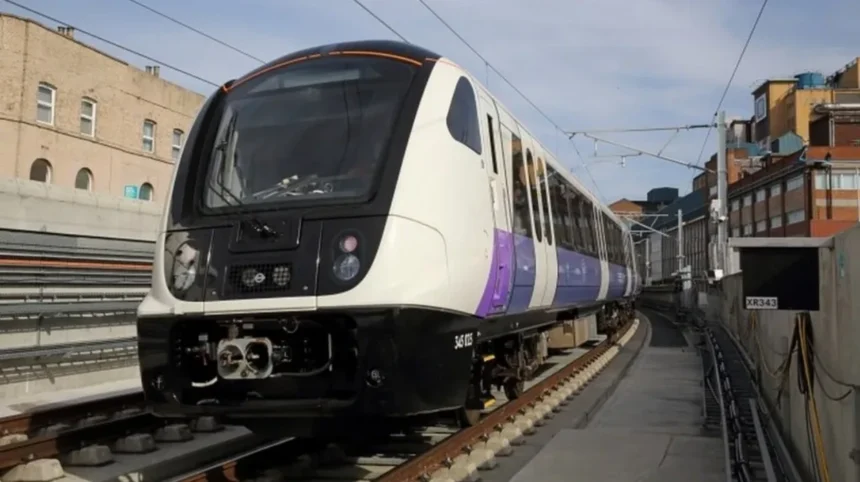
Key Points
- Severe Delays: The Elizabeth Line is experiencing extensive delays between London Paddington, Heathrow Airport (Terminals 4 and 5), and Reading.
- Root Cause: Infrastructure issues stem from a speed restriction imposed over a defective track near Hayes & Harlington in West London.
- Operational Impact: Train services along the affected western branch are running at reduced speeds, with several timetabled journeys subject to revision, short-termination, or cancellation.
- Duration: Transport for London (TfL) and National Rail have confirmed that disruption is expected to persist throughout the entire day.
- Alternative Travel: Passengers are advised to check real-time travel updates and consider alternative routes via London Underground or local bus services.
Hayes (South London News) November 3, 2026 – Passengers utilizing the Elizabeth Line are facing widespread travel disruption across West London and Berkshire today following the discovery of a defective section of track that has forced severe speed restrictions on major rail routes.
- Key Points
- What Is Causing the Current Delays on the Elizabeth Line?
- How Are Services Between Paddington, Heathrow, and Reading Affected?
- What Alternative Routes Are Available for Disrupted Passengers?
- Background of the Hayes & Harlington Rail Corridor Development
- What Does This Disruption Mean for London Commuters and Rail Passengers?
What Is Causing the Current Delays on the Elizabeth Line?
The disruption centers on a track fault identified in the Hayes & Harlington area of West London. Transport for London’s latest travel status monitoring confirms that severe delays are affecting services operating between London Paddington station, Heathrow Airport Terminals 4 and 5, and Reading.
According to National Rail, engineers discovered an infrastructure defect on the line, necessitating an immediate speed restriction to ensure safe train operations. Consequently, trains passing through the affected section are required to travel at significantly reduced speeds. National Rail noted that because trains are forced to decelerate over the defective track, service schedules running between London Paddington and Heathrow Terminals or Reading are being revised throughout the day.
How Are Services Between Paddington, Heathrow, and Reading Affected?
The speed restrictions near Hayes & Harlington have created a severe bottleneck on the western section of the line. Transport for London has warned passengers that journeys will be hampered all day as a result of the ongoing infrastructure issue.
Train operators have modified service patterns to manage congestion along the line. Some services originating from London Paddington towards Reading and Heathrow are experiencing extended journey times, whilst other planned services face potential cancellation or alteration at short notice. Passengers traveling to Heathrow Airport have been urged to allow substantial extra time for their journeys to avoid missing flights.
What Alternative Routes Are Available for Disrupted Passengers?
With Transport for London confirming that severe delays will persist until the end of service, commuters and travelers are being advised to seek alternative transport methods where possible.
Passengers heading towards Heathrow Airport from central London may utilize the London Underground Piccadilly Line as an alternative route, although journey times may be longer. Those traveling between central London and Reading or intermediate stations in Berkshire are advised to check National Rail journey planners for services operating via South Western Railway from London Waterloo, or alternative Great Western Railway services out of London Paddington. Transport for London has also confirmed that valid rail tickets are being accepted on local bus routes covering the affected geographic areas.
Background of the Hayes & Harlington Rail Corridor Development
The Elizabeth Line, which officially opened in May 2022, represents one of the largest infrastructure projects completed in the United Kingdom in recent decades. Designed to connect Reading and Heathrow in the west to Shenfield and Abbey Wood in the east through central London tunnels, the line was built to increase rail capacity across Greater London by 10 per cent.
The section of track passing through Hayes & Harlington forms a critical link in the line’s western branch. Unlike the newly constructed core central section beneath central London, the western route between Paddington, Heathrow, and Reading operates largely on existing surface railway infrastructure managed by Network Rail alongside Great Western Railway services. Because this section shares infrastructure with freight trains and intercity services, track wear and infrastructure maintenance present ongoing operational challenges. Speed restrictions over defective tracks are standard safety measures implemented by Network Rail to prevent derailments or further structural damage while repairs are planned and executed.
What Does This Disruption Mean for London Commuters and Rail Passengers?
This operational breakdown directly affects thousands of daily passengers, including commuters traveling into central London, local residents across West London and Berkshire, and international travelers navigating to and from Heathrow Airport.
For daily commuters, unexpected day-long delays disrupt schedules, lead to overcrowding on alternative routes such as the Piccadilly Line, and place additional pressure on local road and bus networks. The timing of track defects highlights the ongoing vulnerability of key transport arteries during peak travel hours, demonstrating how localized infrastructure issues quickly cascade across an entire regional transit network.
For international passengers and airport workers, delays along the Heathrow branch create heightened risk regarding missing flight departures and connecting travel arrangements. Long-term, repeated infrastructure issues on high-profile routes like the Elizabeth Line threaten passenger confidence in key public transport links, putting pressure on Transport for London and Network Rail to improve track maintenance response times and long-term rail reliability.