Key Points
- Police and Home Office immigration enforcement officers carried out a coordinated dawn raid on a caravan park on Croydon Road, Bromley, shortly after 4.30am.
- The operation targeted alleged illegal delivery riders believed to be working for app-based food and parcel platforms without the right to work in the UK.
- Several individuals were arrested on suspicion of immigration offences and are expected to face further interviews and potential removal proceedings.
- Officers seized mobile phones, delivery bags and other evidence said to link the suspects to multiple online delivery companies.
- The Home Office has framed the raid as part of a wider crackdown on illegal working and exploitation in the gig economy.
- Local residents reported being woken by loud knocking, shouting and a large police presence, including marked vans and unmarked vehicles.
- The site on Croydon Road has reportedly been under surveillance following intelligence about suspected illegal working and overcrowded living conditions.
- Delivery platforms are expected to come under renewed pressure to strengthen right-to-work checks on riders using their apps.
- Campaigners have raised concerns that enforcement actions risk criminalising vulnerable migrants rather than tackling exploitative business models.
- The Home Office has insisted that operations of this kind are intelligence-led and focused on those found to be breaching immigration law.
- Officers are understood to have conducted initial immigration status checks on site before transferring detainees to immigration removal centres or police custody.
- Some individuals at the site were reportedly assessed and left in situ after being found to have valid immigration status.
- The raid is likely to fuel debate about the regulation of the gig economy, the responsibilities of platforms and the treatment of migrant workers.
- Local politicians and community representatives are expected to seek further details from the Home Office about the scale and conduct of the operation.
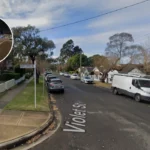
Bromley (South London News) March 14, 2026 – Police and immigration officers arrested a number of alleged illegal delivery riders in a pre‑dawn raid on a caravan park on Croydon Road, Bromley, in an operation the Home Office says is aimed at tackling illegal working and exploitation in London’s booming gig‑economy delivery sector.
- Key Points
- What happened during the Bromley dawn raid on Croydon Road caravan park?
- How many delivery riders were arrested and on what basis?
- Why did officers target this caravan park and what evidence was seized?
- How has the Home Office justified the Bromley operation?
- What impact did the raid have on local residents at the Croydon Road site?
- How are delivery platforms and gig‑economy firms linked to the arrests?
- What concerns have campaigners raised about raids on alleged illegal workers?
- What happens next to those arrested in the Bromley raid?
- How might this Bromley raid influence the wider debate on gig‑economy regulation?
What happened during the Bromley dawn raid on Croydon Road caravan park?
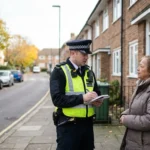
According to the report by the Evening Standard, officers from the Metropolitan Police and Home Office Immigration Enforcement arrived at the caravan park on Croydon Road shortly after 4.30am, moving in while most residents were asleep.
As reported by the unnamed Evening Standard reporter, officers entered multiple units simultaneously, detaining several men suspected of working as delivery riders without the legal right to work in the UK.
Witnesses told the Evening Standard that they saw “at least half a dozen” police and enforcement vehicles, including vans, pull up outside the site before officers began knocking on doors and calling out to occupants. Some residents described the scene as “frightening” and said children were woken by shouting and the sound of officers moving through the park in the dark.
How many delivery riders were arrested and on what basis?
As reported by the Evening Standard, the Home Office confirmed that “a number of individuals” were arrested on suspicion of immigration offences linked to illegal working, though it did not immediately specify the precise number detained.
The article states that those arrested are believed to have been working as riders for well‑known delivery apps, despite lacking valid permission to work in the UK, and will now face further interviews and possible removal action.
In line with standard practice, immigration enforcement officers are understood to have carried out initial checks on identity documents and immigration status at the scene. Individuals unable to demonstrate lawful status or the right to work were arrested, while others who could produce valid documents were reportedly left at the site after further verification.
Why did officers target this caravan park and what evidence was seized?
The Evening Standard report explains that the caravan park on Croydon Road had been under scrutiny following intelligence suggesting that a number of delivery riders without leave to remain or work in the UK were living there.
As reported by the Evening Standard journalist, sources indicated that officers had monitored patterns of movements to and from the site, including riders leaving with branded delivery bags late at night and returning in the early hours.
During the raid, enforcement teams seized mobile phones, delivery bags, high‑visibility jackets and other items believed to be linked to multiple app‑based delivery companies. Officers are expected to use the devices and associated data to build a fuller picture of how the riders were recruited, which platforms they used, and whether any third parties were profiting from organising illegal work.
How has the Home Office justified the Bromley operation?
As reported by the Evening Standard, a Home Office spokesperson said the operation formed part of a broader effort to tackle illegal working, protect the integrity of the immigration system and disrupt what ministers describe as exploitative practices in sections of the gig economy.
The spokesperson emphasised that such operations are “intelligence‑led” and focused on individuals who are believed to be in breach of immigration law rather than on any particular community.
The Home Office also stressed that illegal working can leave people vulnerable to exploitation, low pay and unsafe conditions, and argued that enforcement activity is necessary to deter employers and intermediaries from relying on those without the right to work. However, details of any specific employer or organiser linked to the Bromley case had not been publicly identified at the time of reporting.
What impact did the raid have on local residents at the Croydon Road site?
Residents quoted by the Evening Standard described being alarmed by the early‑morning arrival of a large number of officers, with some saying they initially feared there had been a serious crime or emergency at the park. One unnamed resident told the paper that “people were shouting in different languages” as officers moved between caravans, and that children were left anxious by the sudden activity at an hour when it was still dark.
Others said that, after the initial shock, the operation proceeded in an orderly manner, with officers explaining they were conducting immigration checks and asking for identification. There were no immediate reports of injuries during the raid, and the site was said to have largely returned to calm within a few hours, although some residents expressed concern about the long‑term impact on families living there.
How are delivery platforms and gig‑economy firms linked to the arrests?
The Evening Standard piece notes that the arrested riders are suspected of working for unnamed app‑based delivery platforms that operate widely across London. As reported by the Standard’s journalist, branded delivery bags and jackets associated with several major platforms were visible at the site, although there was no suggestion that the companies themselves were directly involved in arranging illegal migration.
The case is expected to prompt renewed scrutiny of how gig‑economy firms check the right to work of riders using their apps, particularly where accounts may be rented, borrowed or shared.
Campaigners and employment experts have previously warned that riders without valid status can be drawn into informal arrangements, such as paying a cut of their earnings to use someone else’s account, which can leave them open to exploitation and sudden loss of income if operations like this raid take place.
What concerns have campaigners raised about raids on alleged illegal workers?
As highlighted in the Evening Standard report, migrant rights groups and labour campaigners have expressed concern that enforcement operations targeting suspected illegal workers risk punishing vulnerable individuals rather than addressing structural problems in the gig economy.
Some campaigners argue that people who end up working without permission often do so because of restrictive immigration rules, long delays in asylum or visa processes, and the lack of safe, regular routes to employment.
They also warn that high‑profile raids can create fear in migrant communities and may deter victims of exploitation from coming forward or cooperating with authorities. At the same time, these groups have called for tougher action on companies and intermediaries that benefit from flexible labour while distancing themselves from the legal and human consequences when riders are found to be working illegally.
What happens next to those arrested in the Bromley raid?
According to the Evening Standard, those detained during the operation will now undergo more detailed immigration interviews and checks to establish their status, how they came to work as delivery riders and whether they have any outstanding legal claims to remain in the UK.
Some may be transferred to immigration removal centres pending potential deportation, while others could be released on immigration bail if they have ongoing applications or appeals.
The Home Office has indicated that, where appropriate, it will pursue removal action against individuals found to be in the UK unlawfully and working without permission. It is not yet clear whether any parallel investigation will focus on individuals or entities suspected of facilitating illegal working, such as those renting accounts or arranging jobs for people without the right to work.
How might this Bromley raid influence the wider debate on gig‑economy regulation?
The Bromley operation, as reported in detail by the Evening Standard, is likely to feed into the wider political and public debate on how the gig economy should be regulated and who bears responsibility for ensuring that workers have lawful status and fair conditions. Supporters of tougher enforcement argue that visible action against illegal working is necessary both to uphold immigration rules and to protect legitimate workers from unfair competition.