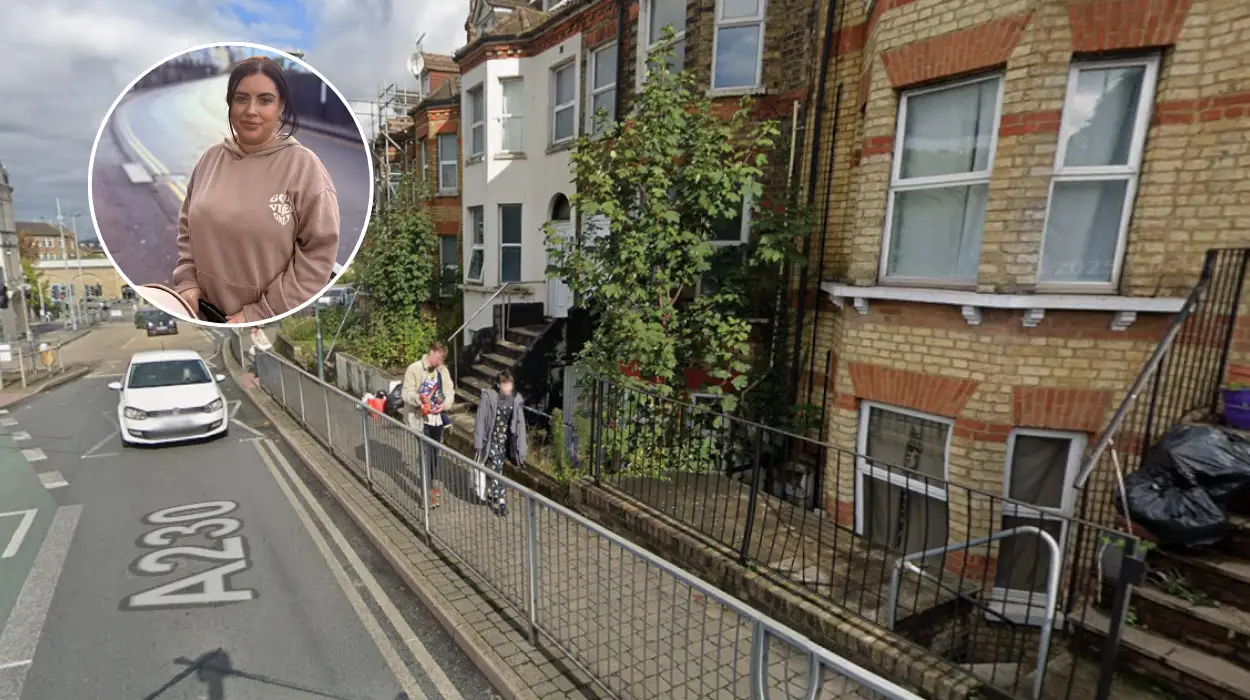
Key Points
- Demi Worboys, aged 31 and pregnant, has been relocated with her baby son to temporary accommodation in Chatham, Kent, for four months due to supply issues and anti-social behaviour at her former home in Bromley, London.
- She has been bidding for a permanent home in Bromley for two years without success.
- Worboys described feeling “exhausted” by her ongoing fight to secure suitable housing.
- She stated she lives “in fear constantly” and feels “very lonely” without her support network and family in the area.
- Worboys claimed: “I feel like they [Bromley Council] placed me here and forgot about me.”
- The relocation followed incidents including eggs thrown at her door after she asked someone to stop smoking, and a threat involving a knife where she was told: “They then basically threatened me with a knife and told me to get into my house.”
- She has developed anxiety and depression from the original problems in Bromley and the isolation in Chatham.
- Worboys cannot attend pregnancy scans because her son is not allowed, saying: “I can’t attend scans due to my son not being allowed in…I’ve got no support network for someone to have him.”
- A spokesperson for Bromley Council stated the council would “always seek to house residents locally”, but acknowledged this was not always possible.
Kent (South London News) January 26, 2026 – A pregnant mother relocated to temporary accommodation in Chatham due to housing supply issues and anti-social behaviour in her Bromley home has described herself as “exhausted” after four months away from her support network. Demi Worboys, 31, who lives with her baby son, has been bidding unsuccessfully for a Bromley property for two years amid ongoing struggles. She expressed profound isolation and fear in her current situation.
- Key Points
- Who is Demi Worboys and What Led to Her Relocation?
- Why Does Demi Worboys Feel ‘Exhausted’ and Lonely?
- What Housing Challenges Does She Face in Attending Medical Appointments?
- How Has Bromley Council Responded to the Situation?
- What Broader Context Surrounds Temporary Accommodation in the UK?
- Are There Similar Cases of Housing Relocations in Kent and London?
- What Impact Has the Move Had on Her Family Life?
- How Does This Reflect Systemic Housing Issues in Bromley?
- What Steps Can Be Taken to Resolve Demi Worboys’ Case?
- Why Is This Story Significant for Housing Policy?
Who is Demi Worboys and What Led to Her Relocation?
Demi Worboys, a 31-year-old pregnant mother, was forced to leave her home in Bromley, south-east London, due to persistent anti-social behaviour and broader supply issues affecting housing in the area. As detailed in the primary coverage, she and her baby son have resided in temporary accommodation in Chatham, Kent, for the past four months. Worboys has been actively bidding for a council home in Bromley for two years, highlighting a protracted battle within the local housing system.
The sequence of events began with relatively minor disturbances that escalated dramatically. Worboys recounted asking a neighbour to stop smoking, which prompted retaliatory acts including eggs being thrown at her door. This culminated in a severe incident where, as she described,
“They then basically threatened me with a knife and told me to get into my house.”
These experiences left her living “in fear constantly,” according to her direct statements.
Why Does Demi Worboys Feel ‘Exhausted’ and Lonely?
Worboys has openly shared the emotional toll of her circumstances, stating she feels “very lonely, it’s just me and my son without my support network and my family.” This isolation stems from her separation from loved ones in the Bromley area, exacerbating her sense of abandonment. She explicitly criticised Bromley Council, saying:
“I feel like they [Bromley Council] placed me here and forgot about me.”
Her exhaustion is compounded by mental health challenges, including anxiety and depression triggered by the original anti-social behaviour in Bromley and the stress of relocation to Chatham. As a pregnant woman managing these issues alone with a young child, her situation underscores the human cost of housing disruptions. Worboys’ fight for stable housing has drained her resources and resolve over two years of bidding.
What Housing Challenges Does She Face in Attending Medical Appointments?
A particularly poignant issue raised by Worboys is her inability to attend essential pregnancy scans. She explained:
“I can’t attend scans due to my son not being allowed in…I’ve got no support network for someone to have him.”
This practical barrier highlights the ripple effects of her relocation, as childcare options are unavailable without family nearby in Chatham. Such restrictions not only affect her health monitoring but also amplify her feelings of helplessness.
Bromley Council’s response, via a spokesperson, acknowledged the preference for local housing:
“while it would always seek to house residents locally, this was not always possible.”
This statement reflects systemic pressures, including limited supply, which forced the move to Kent despite the council’s stated intentions.
How Has Bromley Council Responded to the Situation?
Bromley Council has maintained a position of prioritising local placements where feasible. The spokesperson’s comment – “always seek to house residents locally” but recognising limitations – indicates an awareness of cases like Worboys’ where external temporary solutions become necessary. No further details on her specific bidding process or timeline for resolution were provided in the available reporting.
Worboys’ narrative suggests a perceived lack of follow-through post-relocation, aligning with her claim of being “forgotten.” The council’s framework operates within broader constraints, such as high demand and anti-social behaviour management, which precipitated her initial displacement.
What Broader Context Surrounds Temporary Accommodation in the UK?
This case exemplifies ongoing debates around temporary housing for vulnerable groups, particularly pregnant mothers and families facing anti-social behaviour. In the UK, councils frequently resort to out-of-area placements due to shortages, a practice criticised for severing community ties. Worboys’ experience in Bromley-to-Chatham mirrors patterns reported elsewhere, where supply issues intersect with safety concerns.
Her mental health struggles – anxiety and depression – are common among those in unstable housing, as isolation intensifies vulnerability. The knife threat incident underscores how anti-social behaviour can escalate, prompting emergency relocations that prioritise immediate safety over long-term suitability.
Are There Similar Cases of Housing Relocations in Kent and London?
While this reporting centres on Worboys’ story, parallels exist in housing crises across London boroughs and Kent. Bromley’s challenges with supply and behaviour issues are not isolated; neighbouring areas face comparable pressures. Pregnant women, in particular, qualify for priority under housing allocation policies, yet bidding delays persist amid overwhelming demand.
Worboys’ four-month stay in Chatham highlights the temporary nature of such moves, intended as stopgaps. Her ongoing bids reflect a system where priority status does not guarantee swift resolution, leaving individuals in limbo.
What Impact Has the Move Had on Her Family Life?
The relocation has profoundly disrupted Worboys’ family dynamics. Living solely with her baby son, she lacks the everyday support of extended family, which she described as essential. This absence affects childcare, medical access, and emotional wellbeing, creating a cycle of exhaustion.
Pregnancy adds urgency, as routine scans are vital for monitoring. Worboys’ predicament illustrates how housing policies, while protective in intent, can inadvertently isolate those they aim to help.
How Does This Reflect Systemic Housing Issues in Bromley?
Bromley Council’s approach, as articulated by its spokesperson, grapples with finite resources. The commitment to local housing clashes with realities like anti-social behaviour and supply shortages, forcing decisions like Worboys’ relocation. Her two-year bidding history points to backlogs that strain both applicants and authorities.
Experts note that such cases fuel calls for increased affordable housing stock and streamlined processes. Worboys’ story, with its vivid personal details, brings these systemic flaws into sharp focus.
What Steps Can Be Taken to Resolve Demi Worboys’ Case?
Resolution hinges on successful bidding or direct council intervention. Worboys continues her efforts, but timelines remain uncertain. Advocacy from housing charities or MPs could expedite matters, especially given her pregnancy and vulnerabilities.
Bromley Council might explore interim local options or enhanced support in Chatham, such as childcare partnerships for scans. Her voice – raw and unrelenting – demands attention to prevent further deterioration.
Why Is This Story Significant for Housing Policy?
Worboys’ ordeal spotlights the human stakes in UK’s housing crisis. From knife threats to missed scans, her account demands scrutiny of relocation practices. Neutral observers recognise the council’s constraints, yet her exhaustion narrative urges reform for compassionate, efficient support.