Key Points
- A charity focused on promoting children’s literacy through redistributing used books and creating inspiring reading spaces has opened a library at Heathfield Academy in South Croydon.
- Heathfield Academy, located on Aberdeen Road, was constructed at a cost of £10 million and opened less than 10 years ago, yet lacked a dedicated library and sufficient books for its pupils.
- ABC Book Club, based in Bromley, provided the school with greater access to books, literacy development support, and resources aimed at sparking a lifelong love of reading among children aged five to 11.
- The new library features a rose garden theme that echoes the history of the school, as selected by the children themselves.
- The charity organised a collection of quality pre-loved children’s books, cosy reading corners, and a wide selection of age-appropriate resources.
- Jo Chancler from ABC Book Club highlighted the joy of collaborating with the school’s children and teachers to create a bespoke reading space tailored to the pupils’ high expectations.
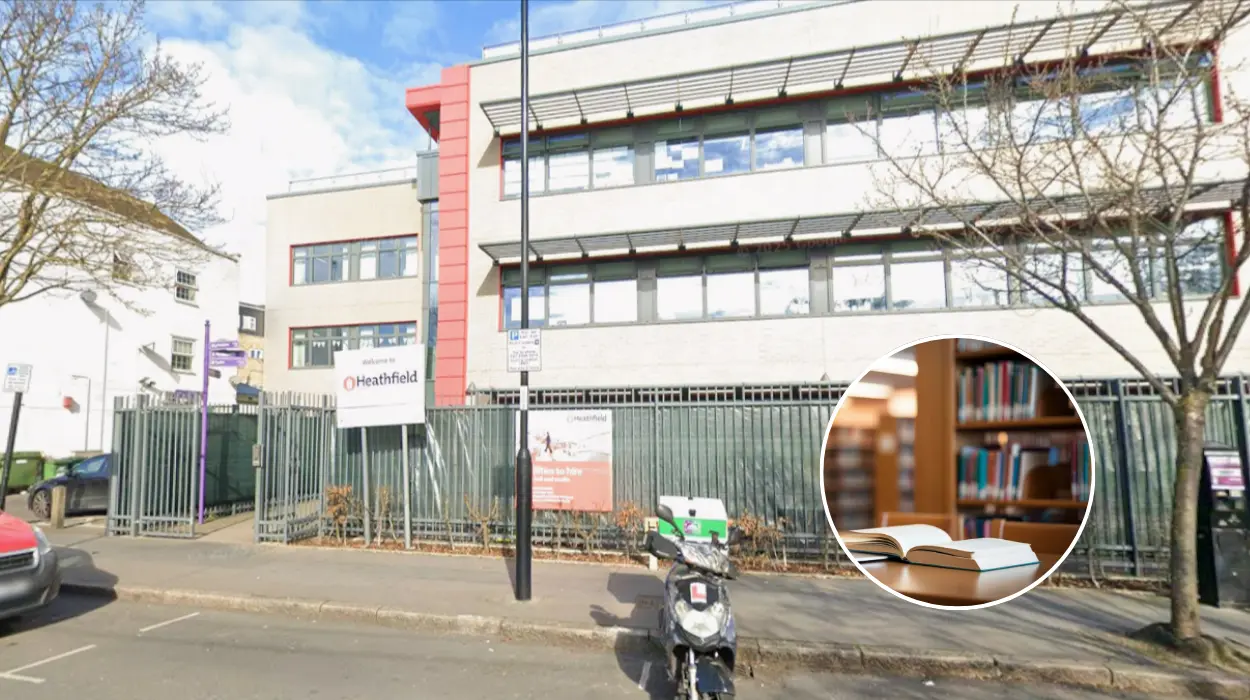
South Croydon (Inside Croydon) 14 January 2026 – A charity dedicated to promoting children’s literacy by redistributing used books and creating inspiring reading spaces in primary schools has opened a library at Heathfield Academy, addressing a surprising gap in facilities at the modern school on Aberdeen Road.
- Key Points
- What prompted the creation of Heathfield Academy’s library?
- Who is ABC Book Club and what do they do?
- Why was a rose garden theme chosen for the library?
- How did ABC Book Club design the bespoke reading space?
- What impact does child involvement have on the library’s success?
- Where is Heathfield Academy and what is its background?
- When did the library open and what are the next steps?
- Why is literacy support crucial in modern primary schools?
- How does this story reflect wider charity efforts in education?
- What have stakeholders said about the new library?
What prompted the creation of Heathfield Academy’s library?
Heathfield Academy, built at a cost of £10 million and opened less than a decade ago, surprisingly had no dedicated library space and few books to inspire its young pupils’ imaginations. This absence persisted despite the school’s recent construction, highlighting a common challenge in some modern educational facilities where literacy infrastructure lags behind physical buildings. ABC Book Club stepped in to fill this void, providing pupils with enhanced access to books and dedicated support for literacy development.
The initiative aims to foster a lifelong love of reading among children aged five to 11, a critical period for building foundational skills. As reported in the original coverage by Inside Croydon, the charity’s efforts ensure that Heathfield Academy now boasts a fully equipped library designed to engage young minds effectively.
Who is ABC Book Club and what do they do?
ABC Book Club, a Bromley-based charity, specialises in redistributing quality pre-loved children’s books and establishing inspiring reading environments in primary schools across the region. Their mission centres on transforming under-resourced spaces into vibrant literacy hubs, making reading an enjoyable and immersive experience rather than a chore. The organisation’s work at Heathfield Academy exemplifies their broader commitment to supporting educational institutions that lack adequate book provisions.
According to their official website (abcbookclub.co.uk), ABC Book Club collaborates directly with schools to tailor spaces to local needs, ensuring sustainability through community donations and volunteer efforts. This approach not only provides immediate resources but also builds long-term engagement with reading.
Why was a rose garden theme chosen for the library?
The library’s rose garden theme was specifically chosen by the children at Heathfield Academy, reflecting the school’s historical roots and their creative input. This design choice creates a thematic link to the institution’s identity, making the space feel uniquely personal and inviting. Jo Chancler, from ABC Book Club, noted the children’s enthusiasm in providing a detailed mood board that guided the project.
As Jo Chancler stated,
“The rose garden theme was chosen by the children, and the mood board they gave me meant I was fully aware of the high expectations the children had of the space. I have carefully respected their wishes, and built the school a library for the children, one that they want.”
This child-led design process ensures the library resonates deeply with its primary users, encouraging frequent visits.
How did ABC Book Club design the bespoke reading space?
Working closely with Heathfield Academy’s children and teachers, ABC Book Club crafted a bespoke library featuring cosy and comfortable reading corners alongside a curated collection of age-appropriate resources. The space includes a wide selection of quality pre-loved children’s books, carefully sourced to suit pupils from reception to Year 6. Every element, from seating to shelving, prioritises comfort and inspiration, transforming the room into the school’s most exciting destination.
Jo Chancler from ABC Book Club described the process:
“Working with the children and teachers at Heathfield to create their bespoke reading space has been a joy.”
She further explained,
“I know that if you build children somewhere exciting and inspiring to read they will enjoy their library visits much more. All too often we expect our children to magically enjoy reading rather than making it a fun, immersive experience in school.”
What impact does child involvement have on the library’s success?
By involving the children in the design, ABC Book Club ensured the library was built for them, not merely to them, fostering ownership and enthusiasm. Chancler emphasised this philosophy:
“By getting the children involved in the design of their library we made the build something that has been done for them, not to them. They have had creative input and seen their ideas come to life.”
This participatory approach contrasts with traditional top-down educational projects, potentially leading to higher usage rates.
The result is a space described as
“the most interesting, inspiring and exciting room in the school, one that children rush to, not somewhere they go because they’ve been told to,”
according to Chancler. Such engagement strategies align with educational research on student-led learning environments, which show increased motivation and retention.
Where is Heathfield Academy and what is its background?
Heathfield Academy stands on Aberdeen Road in South Croydon, a vibrant area of south London known for its community-focused schools. Opened less than 10 years ago after a £10 million investment, the academy represents modern educational architecture but initially overlooked a dedicated library. This new facility now complements the school’s infrastructure, serving hundreds of pupils in the local borough.
The school’s rapid establishment underscores Croydon’s commitment to expanding primary education amid population growth, yet the library omission highlights priorities in new builds. Local families stand to benefit directly from ABC Book Club’s intervention.
When did the library open and what are the next steps?
The library’s official opening aligns with the Inside Croydon report dated 14 January 2026, marking a timely boost for the spring term. ABC Book Club’s involvement suggests ongoing support, potentially including book drives and literacy workshops to maintain momentum. No further timelines were detailed in the primary source, but the charity’s model implies sustained engagement.
Pupils can now access the space immediately, with teachers integrating it into daily routines to nurture reading habits. Future expansions could see similar projects in neighbouring Croydon schools.
Why is literacy support crucial in modern primary schools?
In an era of digital distractions, dedicated physical spaces like Heathfield’s library play a pivotal role in cultivating reading enthusiasm. ABC Book Club’s efforts address a broader UK trend where one in five primary schools reportedly lacks adequate library provisions, per educational audits. Chancler’s insights reinforce that immersive environments outperform rote encouragement:
“All too often we expect our children to magically enjoy reading rather than making it a fun, immersive experience in school.”
This project exemplifies how charities bridge gaps left by public funding constraints, directly impacting educational outcomes. Early literacy fosters academic success and emotional development, benefits echoed in the charity’s mission.
How does this story reflect wider charity efforts in education?
ABC Book Club’s work at Heathfield Academy mirrors a growing movement of literacy charities tackling book deserts in UK schools. By redistributing pre-loved books, they promote sustainability while democratising access to literature. Similar initiatives, such as those by The Reading Agency or local book banks, share this ethos but ABC’s bespoke designs stand out for personalisation.
Jo Chancler’s full statement encapsulates the charity’s philosophy: “We make the library the most interesting, inspiring and exciting room in the school, one that children rush to, not somewhere they’ve been told to.” Such models could inspire scaling to underprivileged areas nationwide.
What have stakeholders said about the new library?
Direct quotes from the project lead provide the most vivid endorsements. Jo Chancler reiterated, “The mood board they gave me meant I was fully aware of the high expectations the children had of the space.” No statements from school leadership or pupils were included in the Inside Croydon piece, though their design input implies approval.
The charity’s website (abcbookclub.co.uk) positions this as a flagship project, inviting donations to replicate successes elsewhere. Community response, inferred from the story’s positivity, suggests broad support for such interventions.