Key Points
- Borough-wide reform begins: Croydon Council has launched its new Families First Partnership pilot aimed at overhauling children’s social care through earlier, integrated support.
- National initiative: The pilot forms part of the Department for Education’s wider programme, representing the largest reform to children’s social care in over a decade.
- Phased local rollout: Testing has commenced in the CR2 postcode area of South Croydon, with plans to expand the initiative borough-wide by the end of March 2027.
- Dedicated multi-agency hubs: Two specialized teams operating out of Woodlands Family Hub will support up to 90 families, pairing each family with a single lead practitioner.
- Multi-sector integration: The framework unites social care, health, education, police, youth justice, and voluntary sectors to collaborate seamlessly.
- Empowering family networks: The initiative prioritizes giving families a central voice in decisions while leveraging wider family and community networks for sustainable solutions.
- Strategic transformation: The pilot sits within the council’s broader Helping Families Thrive programme, designed to manage service demand and ensure long-term sustainability.
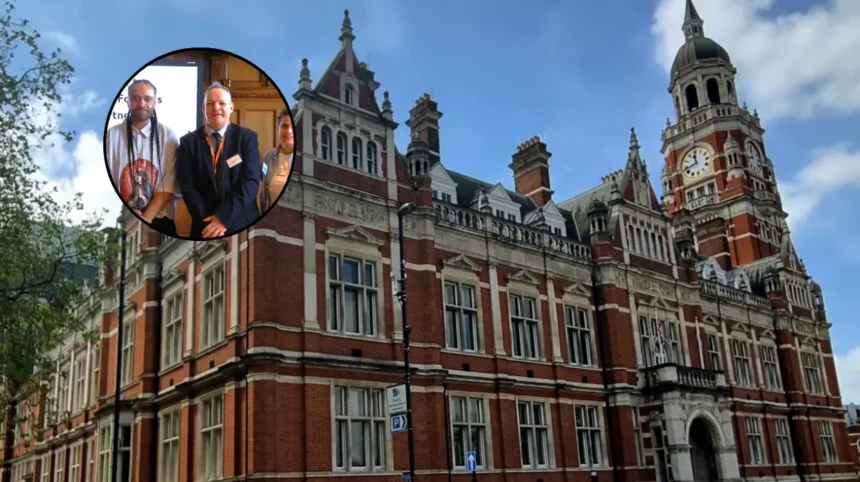
- Launch event featuring global campaigner: The launch at Braithwaite Hall included key speaker Matt Brown, co-founder of the anti-violence movement She Is Not Your Rehab.
Croydon (South London News) October 6, 2026 – Croydon Council has officially launched its new Families First Partnership pilot, ushering in a restructured model of early intervention designed to provide children and families with multi-agency support before issues escalate into severe crises.
- Key Points
- What Is the Core Objective of Croydon’s Families First Partnership Pilot?
- Which Geographical Area Is Initial Testing Targeting and What Is the Full Timeline?
- How Will the Operational Structure at Woodlands Family Hub Function?
- Which Partner Agencies Are Collaborating in the Multi-Agency Framework?
- How Does the Pilot Plan to Empower Families and Community Networks?
- How Does Families First Fit into the Wider Helping Families Thrive Programme?
- What Key Insights Were Shared at the Braithwaite Hall Launch Event?
- What Statements Were Made by Civic Leaders Regarding the Launch?
- Background of the Particular Development
- Prediction: How This Development Can Affect Families and Local Services in Croydon
As part of the Department for Education’s flagship national programme to execute the most extensive reforms to children’s social care and support in over ten years, the local authority hosted a launch conference at Braithwaite Hall. The event gathered council staff, multi-agency professionals, and community partners to outline how public services will unify operations across the borough.
What Is the Core Objective of Croydon’s Families First Partnership Pilot?
The primary purpose of the Families First Partnership is to restructure how public services assist domestic units, moving away from reactive crisis intervention towards early, coordinated assistance. The framework focuses on establishing a seamless support system where parents and children receive consistent guidance from professionals with whom they build long-term trust.
Rather than navigating fragmented departments, families will interact with coordinated networks designed to address educational, emotional, health, and social welfare needs under a unified strategy.
Which Geographical Area Is Initial Testing Targeting and What Is the Full Timeline?
The local authority has initiated the trial phase specifically within the CR2 postcode district of South Croydon. This localized testing environment allows service managers to evaluate operational mechanics, inter-agency communication, and family outcomes on a manageable scale.
Following the initial trial in South Croydon, the council plans to refine the model using local feedback before rolling the Families First framework out across the entire London Borough of Croydon by the end of March 2027.
How Will the Operational Structure at Woodlands Family Hub Function?
Under the pilot’s operational guidelines, two dedicated practitioner teams based at the Woodlands Family Hub will manage direct casework. These teams will work actively with up to 90 families during the initial trial phase.
Crucially, each participating family will be assigned a single lead practitioner. This lead worker acts as the primary point of contact, reducing administrative duplication and preventing families from having to repeatedly explain their circumstances to multiple authorities.
Which Partner Agencies Are Collaborating in the Multi-Agency Framework?
The pilot breaks down traditional operational silos by establishing joint working protocols across multiple statutory and voluntary bodies. The co-located and networked teams at Woodlands Family Hub bring together professionals from:
- Social Care: Children’s social work teams and family support officers.
- Education: Local schools, early years providers, and educational welfare officers.
- Healthcare: Health visitors, community health services, and mental health practitioners.
- Law Enforcement & Justice: Metropolitan Police officers and youth justice workers.
- Third Sector: Voluntary organisations, community groups, and local charities.
By standardising information-sharing protocols among these diverse sectors, the council aims to create a unified team around each family unit.
How Does the Pilot Plan to Empower Families and Community Networks?
A core pillar of the Families First approach is shifting the power dynamic between statutory authorities and service users. The model ensures families hold a direct voice in shaping their intervention plans rather than having decisions imposed upon them.
Furthermore, practitioners are directed to tap into wider family trees and local community networks. By involving grandparents, extended relatives, neighbors, and local support groups, the pilot seeks to build resilient, self-sustaining safety nets that remain active long after formal council intervention ends.
How Does Families First Fit into the Wider Helping Families Thrive Programme?
The Families First pilot represents a key operational component of Croydon Council’s broader Helping Families Thrive programme. This overarching scheme aims to transform the borough’s entire children’s services directorate.
Faced with increasing demand and tight municipal budgets, the council is utilizing early support models to resolve family difficulties before high-tier statutory intervention or out-of-home care becomes necessary. This strategic pivot aims to improve long-term welfare outcomes for young people while placing children’s services on a financially sustainable footing.
What Key Insights Were Shared at the Braithwaite Hall Launch Event?
The launch event at Braithwaite Hall served as the formal unveiling of the initiative to key stakeholders, outlining the shared responsibilities of participating partner agencies.
The gathering featured guest speaker Matt Brown, who co-founded the global movement She Is Not Your Rehab alongside his wife, Sarah Brown. Speaking to attendees, Matt Brown detailed the movement’s mission to break intergenerational cycles of domestic violence and abuse by encouraging individuals to process personal trauma, foster healthier relational habits, and cultivate safer domestic environments for children.
What Statements Were Made by Civic Leaders Regarding the Launch?
Highlighting the municipal vision behind the initiative, Executive Mayor of Croydon Jason Perry set out the council’s baseline expectations for local children and caregivers.
Executive Mayor of Croydon Jason Perry stated that
“Every child deserves the opportunity to thrive, and we want families in Croydon to be able to get the right support at the right time.”
Elaborating on the collaborative mechanics of the scheme, Executive Mayor of Croydon Jason Perry noted that
“Families First is about putting children and families at the heart of the way we work. By bringing services and our partners together, providing help earlier and making it easier for professionals to share information and work as one team, we can give families more consistent and effective support.”
Addressing the geographical strategy and long-term ambitions for the borough, Executive Mayor of Croydon Jason Perry added that
“We are starting in South Croydon so that we can learn what works well and use those lessons as we introduce this approach across the borough. Our ambition is to provide high-quality services that build on families’ strengths, prevent difficulties from escalating and help every child and young person achieve their potential.”
Background of the Particular Development
The launch of the Families First Partnership pilot in Croydon arises from a broader national push to reform children’s social care across England. Following independent reviews highlighting systemic pressures, escalating costs, and inconsistent outcomes within statutory social services, the Department for Education introduced its national strategy to overhaul family support systems.
Historically, local authority children’s services across the United Kingdom have faced criticism for allocating a disproportionate share of funding toward late-stage crisis intervention, such as taking children into care, rather than preventative early help. The national Families First programme seeks to reverse this trend by establishing early help networks embedded directly within local neighborhoods.
For Croydon Council, this pilot follows years of organizational restructuring within its children’s services department. Having focused on strengthening statutory safeguarding practices over recent years, the council is now positioning preventative early help through initiatives like the Helping Families Thrive programme and Family Hub networks as the primary vehicle for long-term service transformation.
Prediction: How This Development Can Affect Families and Local Services in Croydon
The implementation of the Families First Partnership pilot stands to significantly impact children, parents, frontline practitioners, and partner agencies across the London Borough of Croydon.
- For Children and Parents: Residents in the CR2 pilot zone—and eventually across the entire borough—are likely to experience a far less fragmented support system. Families experiencing early distress, such as parental conflict, financial instability, or behavioral challenges, will gain faster access to help without undergoing lengthy statutory assessments. The single lead practitioner model reduces administrative burdens and helps build trust, making parents more likely to seek help voluntarily before problems reach a crisis point.
- For Frontline Staff and Partner Organisations: Social workers, teachers, police officers, and health workers will operate under streamlined information-sharing arrangements. This unified structure reduces siloed working, allowing practitioners to coordinate actions more effectively. However, during the initial trial period, staff may face adaptation challenges as operational workflows, reporting mechanisms, and multi-agency protocols align at Woodlands Family Hub.
- For the Local Authority and Taxpayers: If the early intervention model successfully reduces the number of children entering higher-tier statutory care or requiring specialized crisis interventions, Croydon Council could see reduced financial pressures on its children’s services budget. Successful outcomes in the South Croydon CR2 trial will provide the operational benchmark required for a smooth borough-wide expansion by March 2027, potentially offering a model for early family support in urban local authorities nationwide.