Key Points
- The Croydon Flyover is undergoing urgent structural checks by Transport for London (TfL) engineers due to its aging condition.
- Parts of the Wandle Road surface car park beneath the flyover have been closed all week for surveying, rather than the initially planned two days.
- The flyover, built between 1965 and 1969, was identified three years ago by TfL as needing refurbishment to repair rusting steel and crumbling concrete.
- Similar repair works were urgently needed on the Hammersmith Flyover, built with the same materials and methods, resulting in a two-year £100 million project that started in 2013.
- Funding shortages, exacerbated by the Covid-19 pandemic and past financial mismanagement under Mayor Boris Johnson, have delayed maintenance on TfL’s major roads and infrastructure.
- TfL estimates £2 billion is needed for its entire road network to prevent closure of key bridges and tunnels.
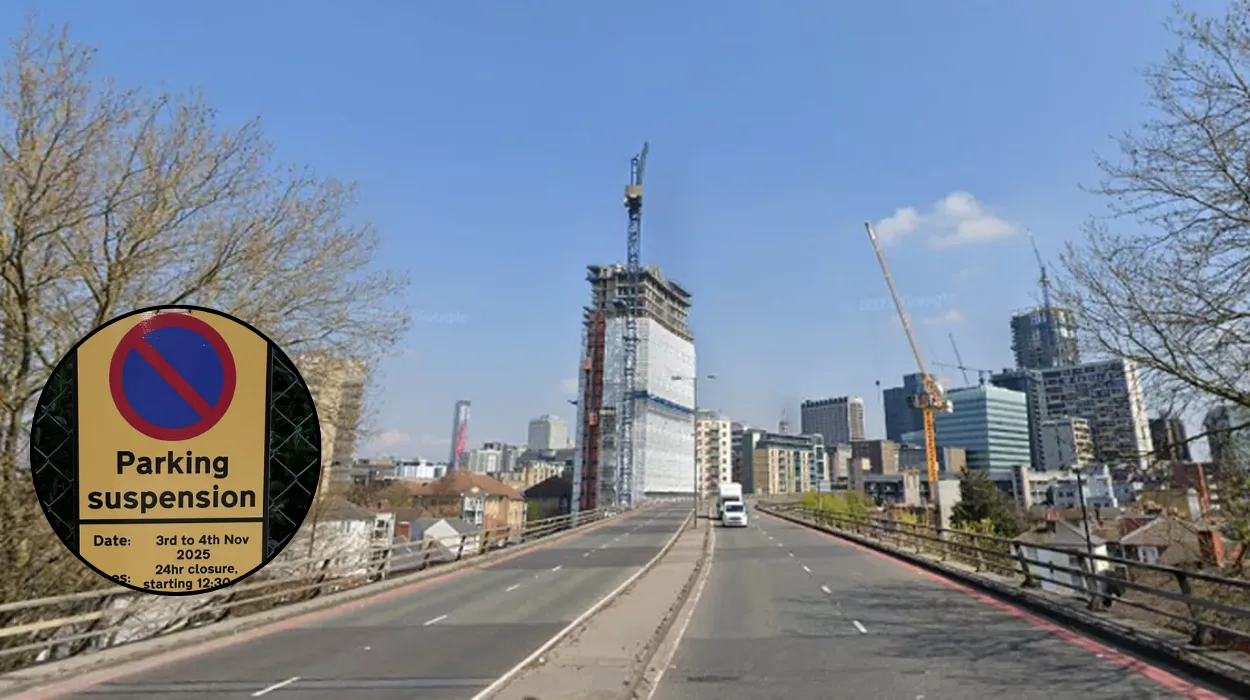
- The six-lane Croydon Flyover carries 40,000 vehicles daily over the A232, connecting central Croydon to Duppas Hill Road.
- Maintenance work on the flyover is hoped to start in 2026 once funding is secured.
- According to New Civil Engineer, costs to patch London’s surface transport assets have increased by 762% over five years, linked to delays and budget cuts, affecting major structures like Rotherhithe Tunnel, A40 Westway, and Hammersmith Bridge.
- TfL’s planned works for Croydon Flyover include concrete repairs, waterproofing, expansion joint replacement, and new lighting installation.
- Carl Eddleston, TfL’s director of streets and network operations, confirmed safety as a priority and assured the car park closures are part of assessments, with the final closure phase completing November 7.
What is the current condition of the Croydon Flyover and why is TfL inspecting it?
As reported by Inside Croydon, the Croydon Flyover, a 60-year-old concrete and steel urban motorway built between 1965 and 1969, has been subject to urgent inspections this week by Transport for London (TfL) engineers. TfL confirmed the flyover “is in need of refurbishment” due to signs of rusting steel and crumbling concrete, highlighting long-standing concerns about its structural integrity. The scale and urgency of inspections reflect the crucial need for safety assurance given the flyover’s heavy daily usage by approximately 40,000 vehicles.
- Key Points
- What is the current condition of the Croydon Flyover and why is TfL inspecting it?
- Why has the Wandle Road surface car park been closed during these investigations?
- How does the Croydon Flyover’s maintenance situation compare to other London flyovers like Hammersmith?
- What financial challenges has TfL faced in maintaining critical road infrastructure?
- What are TfL’s plans for the future maintenance of the Croydon Flyover?
- What are the broader implications of the flyover’s condition for Croydon and London’s road network?
- What statements have TfL officials made about safety and next steps?
Why has the Wandle Road surface car park been closed during these investigations?
Parts of the Wandle Road surface car park, located beneath the Croydon Flyover, were closed to facilitate surveying and detailed inspections of the structure. Although initial plans called for closures lasting two days, TfL extended this period to the entire week to complete thorough checks. TfL anticipates completing the investigation work today, November 7, signaling the final phase of the car park closure as stated by Carl Eddleston, TfL’s director of streets and network operations, who emphasised that “Safety is our top priority.”
How does the Croydon Flyover’s maintenance situation compare to other London flyovers like Hammersmith?
According to Inside Croydon, the current concerns around the Croydon Flyover mirror the urgent repair needs experienced by the Hammersmith Flyover in west London, which shares similar construction materials and methods and was built around the same time. The Hammersmith Flyover required immediate repairs in 2013 following safety issues caused by falling masonry, leading to a two-year repair programme costing £100 million. This historical precedent underscores the potential scale of work and investment that the Croydon structure may require.
What financial challenges has TfL faced in maintaining critical road infrastructure?
New Civil Engineer highlighted that the Covid-19 pandemic, combined with significant financial issues during Boris Johnson’s tenure as London Mayor, severely impacted TfL’s budget. Millions were lost, leaving inadequate funds for maintenance and capital works on roads and bridges. TfL now estimates it requires £2 billion to maintain the entire road network sufficiently to prevent closures of vital tunnels and bridges. The report stressed a 762% increase in costs for patching London’s surface transport assets over five years, attributing this to delays and budget cuts in the surface transport assets renewal programme.
What are TfL’s plans for the future maintenance of the Croydon Flyover?
TfL has finalised design work for essential maintenance tasks planned for the Croydon Flyover. These include concrete repairs to address structural deterioration, waterproofing to protect the materials, replacement of expansion joints, and fitting new lighting. The lighting system on the flyover often leaves the roadway dark at night, posing a safety concern for drivers. However, TfL has indicated that these repair works cannot start until funding is secured and hopes to commence in 2026.
What are the broader implications of the flyover’s condition for Croydon and London’s road network?
The Croydon Flyover is a key arterial route carrying the A232 east-west through central Croydon. Its degradation threatens traffic flow, safety, and infrastructure resilience. Ongoing disrepair could lead to partial or full closures, exacerbating congestion and economic disruption locally and across South London. TfL’s continuing challenge to secure funding for major repair programmes—including other at-risk structures such as the Rotherhithe Tunnel, A40 Westway, Vauxhall Bridge, and Hammersmith Bridge—reflects systemic issues in the capital’s transport infrastructure maintenance as reported by New Civil Engineer.
What statements have TfL officials made about safety and next steps?
Carl Eddleston, TfL’s director of streets and network operations, told Inside Croydon,
“Safety is our top priority, and we regularly inspect and maintain TfL’s road network to ensure it is safe for people to use.”
He noted the ongoing Wandle Surface Car Park closures are part of investigations to assess the Croydon Flyover’s condition. Eddleston confirmed,
“The final phase of the car park closure will be completed by November 7,”
signalling that the urgent survey work has reached its concluding stages.