Key Points
- A Croydon resident has won a Set For Life prize worth £10,000 a month for 12 months, which totals £120,000 if claimed in full.
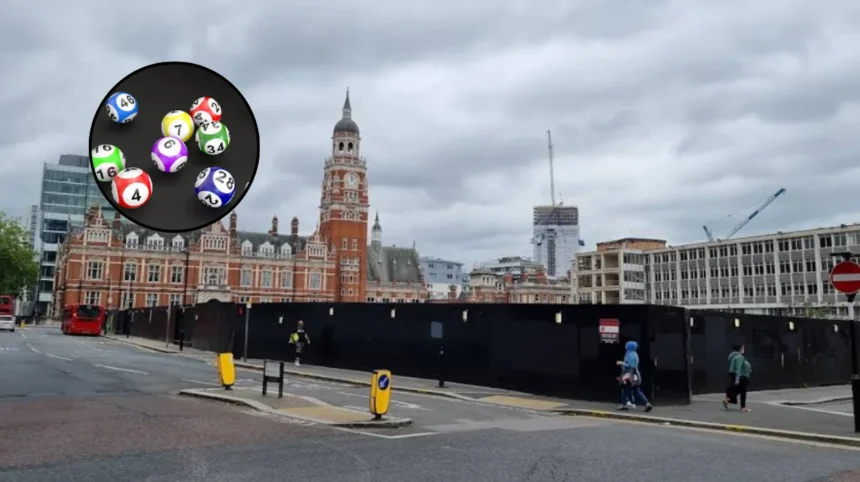
- The winning ticket was purchased for the April 2 draw, with the winning numbers reported as 2, 3, 8, 27, 39 and Life Ball 7.
- The claim deadline is Tuesday, September 29, or the prize will be forfeited.
- The National Lottery typically gives winners 180 days from the draw date to claim prizes.
- A separate London jackpot win in Bexley worth £10,633,323 has also been unclaimed, underlining the wider issue of missed lottery deadlines.
Croydon (South London News) June 9, 2026 – A lottery winner in Croydon has won a Set For Life prize that will pay £10,000 every month for a year, but the money will be lost if the ticket is not claimed by the deadline, as reported by MyLondon.
As reported by MyLondon, the ticket matched the numbers 2, 3, 8, 27 and 39, with Life Ball 7, in the April 2 draw. That prize structure means the winner stands to receive £120,000 over 12 months if they come forward in time. The deadline given in the report is Tuesday, September 29, after which the unclaimed prize would no longer be available to collect.
Who reported the win?
MyLondon reported the story as part of its South London news coverage, focusing on the reminder to check tickets and act before the claim date expires.
The article also placed the Croydon win in a wider context by referring to another unclaimed London prize in Bexley, where a £10.6 million jackpot remained unclaimed earlier this year.
That comparison highlights how unclaimed prizes can range from monthly payouts to multi-million-pound jackpots.
How does the claim deadline work?
The National Lottery’s general rule is that winners have 180 days to claim prizes from the draw date. Once that window closes, unclaimed money is transferred to National Lottery-funded projects and charitable causes.
For this Croydon prize, the relevant public message is simple: the ticket must be validated before the deadline or the winner loses the payout.
Lottery officials regularly urge players to check old tickets because unclaimed prizes are not unusual, especially when winners do not realise they have matched the numbers.
Why is this story important?
This is not only a personal-finance story but also a local one, because the winning ticket was bought in Croydon and the deadline is now approaching.
For residents, it is a reminder that even a relatively small oversight can mean losing a six-figure sum.
The story also sits within a broader pattern of National Lottery claims, where winners in different parts of London and the UK have faced tight deadlines to recover large sums.
The recurring theme in these reports is that the prize is real, but only if the ticket-holder acts in time.
Background of this development
The National Lottery operates a fixed claim window, and the 180-day rule is designed to give winners enough time to check and submit tickets while still keeping prize administration orderly.
When prizes go unclaimed, the money does not sit indefinitely; it is redirected to National Lottery good causes and projects across the UK.
This is why lottery operators and news outlets often publish reminders near claim deadlines, especially for high-value wins.
In this Croydon case, the reported timeline suggests the winner has a limited period left to take action before the prize expires.
Explore More Croydon News
Purley Pool redevelopment plans and delays in Croydon 2026
Croydon Nanny Wins £71,000 Porsche in BOTB Competition | Croydon 2026
Prediction
For Croydon readers, the most immediate effect is likely to be a renewed push to check old Set For Life tickets before the deadline passes.
If the winner comes forward, the prize will deliver a year of monthly income; if not, the money will be lost to the claimant and redirected elsewhere.
For the wider audience, stories like this usually lead to more people reviewing tickets, retail receipts and app entries after hearing about nearby unclaimed wins. That may reduce the chance of similar losses in future, especially in local boroughs where lottery winners are identified only by the area where the ticket was bought.