Key Points
- Mayor of London Sir Sadiq Khan has frozen Croydon’s tram and bus fares at £1.75 until July 2026 as an “emergency cost of living measure”.
- This provides a three-month reprieve for south Londoners amid rising fares on Tube, DLR, London Overground, and Elizabeth line by 5.8% (above inflation) from March 2026.
- The national rail fare freeze announced last month does not apply to Transport for London (TfL); Tube, DLR, and Overground fares will rise by inflation +1% as part of a £2.2 billion capital funding deal with central government from the June spending review.
- Bus and tram fares last increased in 2023; they are anticipated to rise to £1.85 in July 2026.
- Buses are London’s most-used public transport, with about 1.8 billion journeys annually.
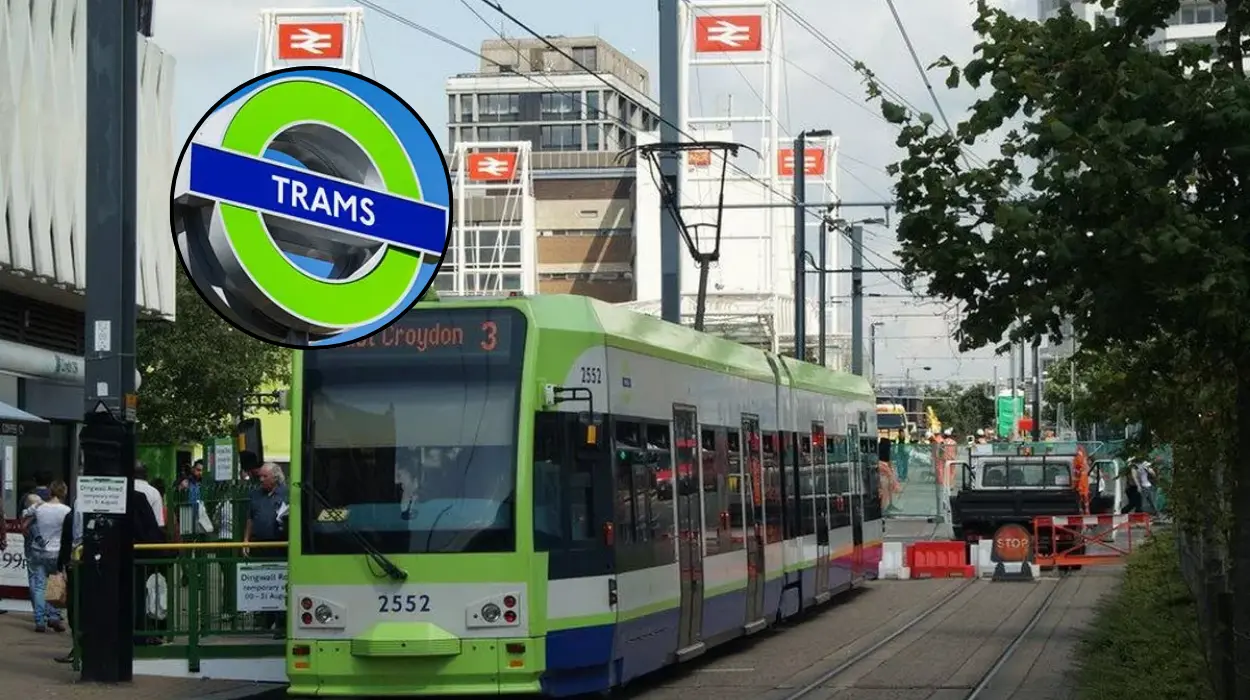
- Croydon tram journeys fell from 20 million in 2023-2024 to 17.2 million in 2024-2025, possibly due to frequent network closures for engineering works linking Croydon to Wimbledon and Beckenham Junction.
- Mayor Khan’s Hopper fares and other adjustments, including frozen Travelcard costs until 2027, unchanged weekly/daily caps, and various concessionary passes (Children’s Zip Oyster, 18+ Student photocard, 18-25 Care Leavers pass, 60+ Oyster London photocards, and Freedom Pass), will minimise fare rise impacts.
- The Mayor has committed to retaining the Hopper fare, allowing bus changes within 60 minutes without extra cost.
Why Are Croydon Tram and Bus Fares Being Frozen Until July 2026?
The fare freeze specifically targets Croydon’s tram and bus networks, providing targeted support for local users. According to Inside Croydon’s coverage, this initiative underscores City Hall’s recognition of ongoing cost-of-living pressures. Sir Sadiq Khan, Mayor of London, is directly behind the decision, positioning it as essential relief while TfL navigates fiscal constraints.
- Key Points
- Why Are Croydon Tram and Bus Fares Being Frozen Until July 2026?
- How Do Tube and London Overground Fare Rises Compare to the Croydon Freeze?
- What Is the Hopper Fare and Will It Stay Unchanged?
- Which Concessionary Fares and Passes Remain Unchanged?
- Why Have Croydon Tram Journeys Declined Recently?
- When Were Bus and Tram Fares Last Increased and What Happens in July 2026?
- How Does This Fit into TfL’s Broader Financial Recovery?
- What Role Does Central Government Play in These Fare Decisions?
- Who Benefits Most from the Fare Freeze and Mitigations?
Inside Croydon reports highlight that the measure extends the current £1.75 single bus fare across the capital, with Croydon trams included until July 2026. This aligns with broader efforts to protect vulnerable commuters, even as other TfL services face hikes. Transport experts cited in the article link declining tram usage—down from 20 million journeys in 2023-2024 to 17.2 million in 2024-2025—to frequent and lengthening network closures for engineering works. These disruptions affect the line connecting Croydon to Wimbledon in the west and Beckenham Junction in the east.
No additional statements from Sir Sadiq Khan beyond the policy announcement were detailed in primary sources, but the Mayor’s office has emphasised the freeze’s role in easing immediate financial burdens.
How Do Tube and London Overground Fare Rises Compare to the Croydon Freeze?
While Croydon benefits from stability, Tube, DLR, London Overground, and Elizabeth line fares will increase by 5.8% from March 2026, exceeding inflation. As detailed by Inside Croydon, this rise—equivalent to inflation plus 1%—was agreed with central government to stabilise TfL’s finances post-Covid.
The £2.2 billion capital funding deal from the June spending review mandates these adjustments. Inside Croydon notes that the national rail fare freeze from last month does not extend to TfL, leaving bus and tram users temporarily shielded. Buses, with 1.8 billion annual journeys, form the backbone of London’s transport, making the freeze particularly impactful for everyday commuters.
What Is the Hopper Fare and Will It Stay Unchanged?
Mayor Khan has committed to retaining the Hopper fare, which allows passengers to switch buses within a 60-minute window without an additional charge. Inside Croydon confirms this policy remains intact, alongside other mitigations like frozen Travelcard prices until 2027 and unchanged weekly and daily caps.
These adjustments aim to minimise the sting of any future rises. Frequent travellers and commuters stand to benefit most, as Hopper fares and capping mechanisms preserve affordability.
Which Concessionary Fares and Passes Remain Unchanged?
Several discounted and free travel options will stay as they are, funded variously by TfL and London councils. Inside Croydon lists these explicitly:
- Children’s Zip Oyster photocards.
- 18+ Student photocard.
- 18-25 Care Leavers pass.
- 60+ Oyster London photocards.
- Freedom Pass, supported by London councils.
These concessions ensure continued access for young people, students, care leavers, seniors, and others, unaffected by the broader fare dynamics.
Why Have Croydon Tram Journeys Declined Recently?
Tram usage on the Croydon network dropped notably in 2024-2025, from 20 million to 17.2 million journeys year-on-year. Transport experts, as quoted in Inside Croydon, attribute this to frequent and extending closures of network sections.
Engineering works have repeatedly disrupted services along the route from Croydon to Wimbledon and Beckenham Junction. Such interruptions likely deterred riders, exacerbating reliance on buses—which themselves benefit from the fare freeze.
When Were Bus and Tram Fares Last Increased and What Happens in July 2026?
The last fare hike for buses and trams occurred in 2023, setting the current £1.75 rate. Inside Croydon anticipates a rise to £1.85 in July 2026, post-freeze.
This timeline provides six months of stability from the announcement date, aligning with the “three-month reprieve” framing for south Londoners facing March hikes elsewhere.
How Does This Fit into TfL’s Broader Financial Recovery?
TfL’s fare strategy reflects post-Covid stabilisation efforts. The £2.2 billion funding deal ties rises on Tube, DLR, Overground, and Elizabeth line to fiscal health. Inside Croydon explains that while national rail gets a freeze, TfL must adhere to inflation-plus-1% to secure ongoing support.
City Hall views the bus and tram freeze as a balancing act: cost-of-living aid without derailing recovery. Buses’ dominance—1.8 billion journeys annually—amplifies the policy’s reach.
What Role Does Central Government Play in These Fare Decisions?
Central government’s influence is pivotal via the spending review. The £2.2 billion capital injection came with conditions, including the 5.8% hikes. Inside Croydon stresses this agreement aimed to place TfL’s finances “on a firmer footing” after pandemic shocks.
No direct quotes from government officials appear in sourced coverage, but the deal underscores tensions between national policy and local needs.
Who Benefits Most from the Fare Freeze and Mitigations?
South Londoners, especially Croydon residents reliant on trams and buses, gain immediate relief. With Tube and Overground rises looming, the freeze targets high-volume bus users. Concession holders across categories see no changes, broadening the support net.
Inside Croydon portrays this as pragmatic politics: shielding the capital’s workhorse transport amid economic strain.