Key Points
- Historical Origins: Crystal Palace railway station was originally designed and constructed to serve millions of visitors travelling to the relocated Great Exhibition structure in south London.
- Catastrophic Loss: The magnificent glass-and-iron Crystal Palace was completely destroyed by a massive fire in 1936, almost 90 years ago, leaving the station behind as an enduring monument.
- Modern Commuter Hub: Despite the loss of the primary attraction it was built to service, the station remains a bustling transport link integrated into the London Overground and National Rail networks.
- Architectural Heritage: Surviving Victorian engineering elements, subterranean ruins, and nearby vaulted subway spaces continue to connect everyday commuters with 19th-century history.
South London (South London News) October 27, 2026 – Thousands of commuters passing through Crystal Palace railway station every day travel through a modern transport hub that owes its existence to a lost Victorian landmark. The bustling railway facility in south London was originally constructed to handle millions of visitors attending the iconic Crystal Palace, a monumental cast-iron and glass structure that was tragically reduced to ashes nearly 90 years ago.
- Key Points
- How Did the Arrival of the Crystal Palace Transform South London’s Transport?
- Why Was the Station Originally Built in the 1850s?
- How Did the Station Handle Millions of Victorian Visitors?
- What Caused the Destruction of the Grand Crystal Palace in 1936?
- Background of the Crystal Palace Transport Network
- Prediction: How Will This Historical Development Affect Local Residents and Commuters?
Although the great exhibition hall vanished from the skyline following a devastating fire in November 1936, the station built to service it continues to operate as an essential piece of London’s infrastructure.
How Did the Arrival of the Crystal Palace Transform South London’s Transport?
Why Was the Station Originally Built in the 1850s?
The history of the station is tied to the Great Exhibition of 1851, which originally took place in Hyde Park. Following the immense success of the exhibition, the colossal glass structure was dismantled, redesigned, and reconstructed on Sydenham Hill in south London by Joseph Paxton and the Crystal Palace Company. To accommodate the massive influx of tourists and day-trippers expected from across the capital and beyond, railway links were essential.
The station opened in 1854 under the West End of London and Crystal Palace Railway, quickly becoming one of the premier gateway terminals in the capital. The design included grand passenger facilities, broad platforms, and impressive architectural work intended to match the majesty of the palace situated at the top of the ridge.
How Did the Station Handle Millions of Victorian Visitors?
At its peak, the rail complex handled extraordinary passenger volumes. Special train services were scheduled to convey visitors directly from central London terminals such as London Bridge and Victoria. The station complex expanded over time, featuring elaborate vaulted ceilings, ornate brickwork, and direct, covered glass walkways that allowed passengers to walk directly from their train carriage into the exhibition grounds without exposing themselves to the weather.
What Caused the Destruction of the Grand Crystal Palace in 1936?
How Did the Great Fire Unfold?
On the evening of 30 November 1936, a small fire broke out inside the Crystal Palace. Fueled by timber flooring and flammable contents within the vast, drafty glass enclosure, the flames spread rapidly. Despite the efforts of over 400 firefighters and dozens of fire engines arriving from across London, the intense heat melted the iron frame and shattered thousands of glass panes.
By the following morning, the great Victorian landmark was reduced to twisted metal and rubble. The glow from the blaze was reported to be visible across several counties.
What Remained at the Site After the Blaze?
While the main palace structure was completely destroyed, the surrounding transport infrastructure survived. The high-level station branch suffered eventual decline and eventual closure in the mid-20th century, but the low-level station—known today simply as Crystal Palace railway station—remained open to serve the growing residential suburbs that had developed around the park.
Background of the Crystal Palace Transport Network
The development of the Crystal Palace area represents one of the earliest examples of mass transit urban planning in London. Prior to the relocation of the glass palace in the 1850s, Sydenham Hill was largely rural. The arrival of the palace triggered a rapid expansion of local railway infrastructure, leading to the creation of two distinct railway stations:
- The Low-Level Station (Current Station): Opened in 1854, serving routes connected to London Bridge, Victoria, and suburban Surrey.
- The High-Level Station: Opened in 1865, featuring an extraordinary Italianate design and a grand vaulted subway, designed specifically to deliver first-class passengers straight into the palace crypt.
Following the 1936 fire and the subsequent decline in passenger numbers during the post-war era, the High-Level station was demolished in 1961. However, its famous vaulted subway survived underground and has been preserved as a Grade II* listed heritage structure. In recent years, significant restoration efforts have been directed toward preserving these subterranean brick structures, highlighting the enduring historical value of the site.
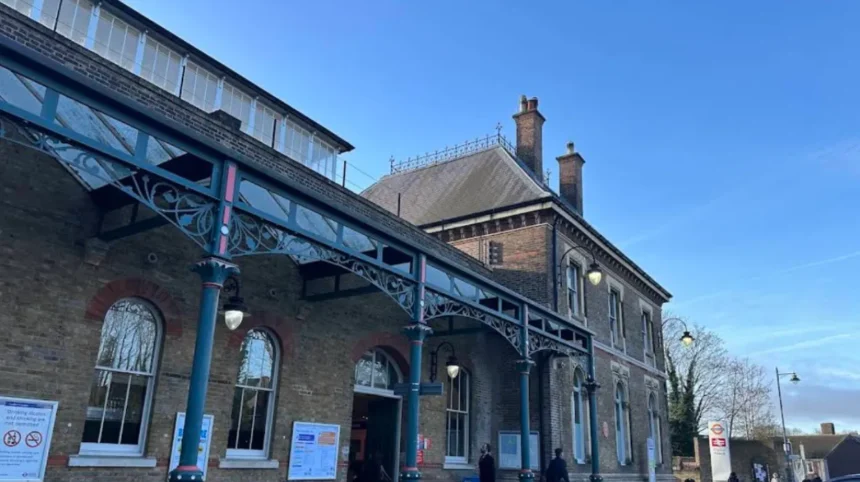
The remaining Low-Level station underwent extensive refurbishment in the 2010s, including the restoration of its grand Victorian booking hall, bringing modern accessibility features while preserving the 19th-century brick facade and iron columns.
Prediction: How Will This Historical Development Affect Local Residents and Commuters?
The ongoing legacy of the Crystal Palace railway station and its historical connection to the lost landmark will continue to shape the local community and transport network in several key ways:
1. Increased Heritage Tourism and Cultural Footfall
As public interest in London’s hidden history grows, ongoing restoration initiatives—such as the revival of the nearby Crystal Palace Subway—are expected to drive increased off-peak passenger traffic to the station. Heritage enthusiasts, historians, and tourists will continue to utilize the transport link to access the surrounding park, museum, and surviving Victorian structures.
2. Sustained Investment in Historic Infrastructure
Network Rail and local authorities are likely to maintain high standards of heritage conservation for the active station building. Because the station serves as a tangible link to a lost national treasure, future infrastructure upgrades will need to balance modern transport demands with strict historic preservation protocols.
3. Community Identity and Local Property Value
The unique historical identity provided by the loss of the palace and the survival of its station reinforces the area’s distinct status within south London. Residents and local businesses benefit from the cultural prestige associated with the site, which continues to support local economic activity and residential desirability in the Crystal Palace triangle.