Key Points
- A six‑month trial of live facial recognition (LFR) using static cameras on Croydon High Street led to 173 arrests for offences including kidnap, rape and serious sexual assault.
- A woman wanted for more than 20 years was identified and arrested during the pilot.
- The Metropolitan Police reported a 10.5% fall in recorded crime in the deployment area during the trial period, with a 21% reduction in violence against women and girls.
- The pilot ran between October 2025 and March 2026 and used static camera deployments in 24 operations rather than the previously used mobile vans.
- Notable arrests linked to LFR alerts include Nilton Darame, 25, who breached tag conditions related to an intentional strangulation and assault on emergency workers, and Kastriot Krrashi, 35, arrested for suspected breach of his registered sex offender conditions.
- The scheme has raised questions around civil liberties and accuracy, while police sources emphasise the public‑safety benefits and convictions obtained following arrests.
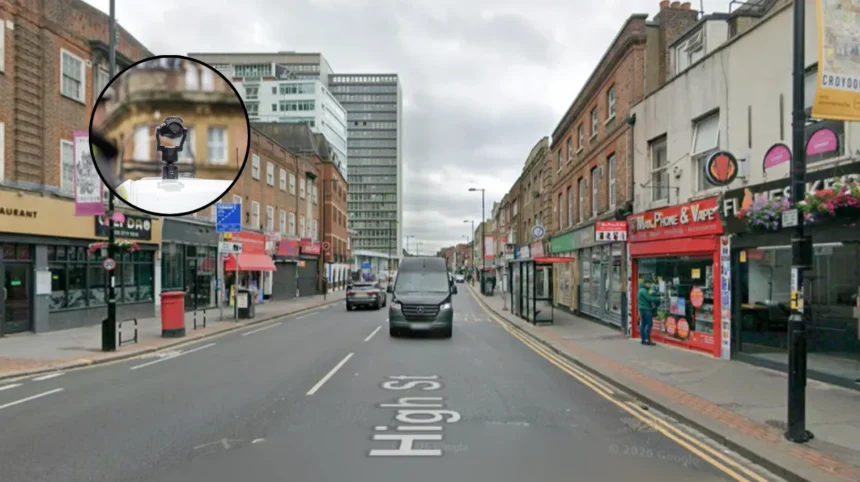
Croydon (South London News) May 13, 2026 — As reported by the Metropolitan Police, the force said the six‑month trial of live facial recognition (LFR), conducted in Croydon between October 2025 and March 2026 using static cameras on Croydon High Street in 24 separate operations, produced 173 arrests for a range of offences including kidnap, rape and serious sexual assault and coincided with a reported 10.5% reduction in recorded crime in the deployment area, including a 21% drop in violence against women and girls.
- Key Points
- Which suspects were identified and what were the notable arrests?
- How did the trial differ from previous LFR deployments in London?
- What claims has the Metropolitan Police made about crime reduction and public safety?
- What did independent observers and civil‑liberties groups say about the pilot?
- How did the force attribute conviction outcomes to LFR evidence?
- Which local areas and dates were specifically mentioned in reporting?
- Who provided these details in media reporting and how were sources attributed?
- Background of the particular development
- Prediction
Which suspects were identified and what were the notable arrests?
As reported by ITV’s regional coverage and Metropolitan Police statements, among those arrested during the pilot was a woman wanted for more than 20 years who was located through the static camera network, and other arrests included Nilton Darame, 25, of Loughborough Street, Lambeth, who was identified by a static Croydon camera on 7 October 2025 and later found to be in breach of tag conditions relating to an intentional strangulation and two counts of assault on an emergency worker; Darame was subsequently sentenced at Croydon Crown Court to 18 months’ imprisonment on 8 January 2026.
Explore More Croydon News
Mark Adderley elected councillor after Green suspension | Croydon 2026
Croydon Grants Cinema Return After Vue Closure 2026
How did the trial differ from previous LFR deployments in London?
The Metropolitan Police said the Croydon pilot used fixed, static cameras on Croydon High Street rather than the mobile LFR vans used in previous deployments, and the static systems were activated across 24 operations during the six‑month period.
The force also recorded the arrest of Kastriot Krrashi, 35, of Dingwall Road, Croydon, who was stopped during a static deployment on 21 November 2025 on suspicion of breaching his conditions as a registered sex offender; Krrashi was later sentenced at Wood Green Crown Court to six months’ imprisonment on 13 February 2026.
What claims has the Metropolitan Police made about crime reduction and public safety?
The Metropolitan Police stated that crime in the area where static cameras were used fell by 10.5% during the trial period, and that incidents of violence against women and girls in the deployment area decreased by 21% while the trial was active, figures the force has presented as evidence of LFR’s direct operational benefits in identifying wanted individuals and preventing further offending.
The published operational summary for the trial indicated that, on average, a person was arrested roughly every 35 minutes of active deployment during the pilot, and charges or arrests related to serious offences such as kidnap, rape and serious sexual assault as well as breaches of court orders and tagging conditions were recorded among the 173 arrests claimed by police.
What did independent observers and civil‑liberties groups say about the pilot?
Critics and civil‑liberties campaigners have previously raised concerns about live facial recognition technology, citing risks to privacy, potential for bias in automated recognition systems and questions over proportionality, transparency and oversight when being used in public spaces; these groups have called for clearer safeguards, transparent accuracy data and independent audit of any results produced by the technology, points that have been highlighted in media coverage and commentary during previous LFR deployments in the UK.
How did the force attribute conviction outcomes to LFR evidence?
According to reporting on the Croydon pilot, the force has linked some of the arrests generated by the static camera alerts to successful prosecutions and sentences, noting that identification by LFR contributed to the arrest and subsequent convictions of individuals such as Darame and Krrashi, although the precise evidential weight given to LFR outputs in each prosecution would be a matter for the courts and for established disclosure and vetting processes in criminal cases.
The Metropolitan Police reported that static cameras were installed on Croydon High Street and used in a sequence of 24 operations between October 2025 and March 2026, with the deployments designed to scan crowds and passers‑by for matches against watchlists held by the force; this marked a change from the use of mobile LFR vans by concentrating the technology in fixed, street‑facing positions.
Which local areas and dates were specifically mentioned in reporting?
The trial was specified as occurring primarily on Croydon High Street within the London Borough of Croydon and ran from October 2025 until March 2026, with individual alerts and arrests logged on dates including 7 October 2025 for the Darame alert and 21 November 2025 for the Krrashi stop, and court outcomes reaching sentencing stages in January and February 2026 respectively.
Metropolitan Police statements accompanying the pilot stressed that LFR deployments were subject to operational oversight, legal advice and internal governance, and that watchlists were managed according to existing policing rules; however, commentators have pointed out that the legal and ethical frameworks for live biometric surveillance remain contested and under review in public debate and judicial scrutiny.
Who provided these details in media reporting and how were sources attributed?
Coverage of the Croydon pilot and its claimed results has been reported across mainstream outlets and regional broadcasters; key factual claims and quoted statistics in this account come from Metropolitan Police public statements and court records referenced in reporting by local and national media.
Background of the particular development
What is live facial recognition and how has it been used previously by police forces in the UK? Live facial recognition is an automated biometric surveillance tool that scans faces in real time and compares them to a database of images (watchlists) to flag potential matches; UK police forces have trialled the technology in various deployments over recent years—deployments have included mobile LFR vans, fixed cameras in public spaces and targeted operations—sparking legal challenges, public inquiry demands and guidance from oversight bodies about transparency, data protection and discrimination risks.
What legal and policy context surrounds the use of LFR in public policing? The use of LFR sits at the intersection of policing powers, data‑protection law and human‑rights considerations: oversight bodies and courts have emphasised the need for proportionality, necessity and clear governance when biometric surveillance is used, while campaign groups have sought stronger statutory regulation and independent audits of accuracy and bias in face‑matching algorithms; those debates frame how pilot results are interpreted and whether wider roll‑out is appropriate.
Prediction
How might Croydon residents and vulnerable groups be affected if LFR is used again or expanded? If the static camera LFR approach is repeated or expanded in Croydon or other boroughs, residents may see quicker identification and arrest of wanted suspects—potentially improving local perceptions of safety—while concerns over day‑to‑day privacy, the risk of false positives and differential impact on certain communities will likely persist, potentially affecting public trust in policing unless accompanied by stronger transparency, independent auditing and clear redress mechanisms.