Key Points:
- Ministry of Housing, Communities and Local Government published new deprivation data for England boroughs.
- University Hospital & Queen’s Road is the most deprived area in Croydon, ranking in the top 1% nationally.
- Among 33,755 neighbourhoods in England, this area ranks 284th most deprived.
- Other highly deprived areas in Croydon include New Addington South, Thornton Heath Central, and New Addington North.
- Contrastingly, Croydon also contains areas in the least deprived 10 percent.
- Deprivation scores are based on income, employment, education, crime, and barriers to housing and services.
- The 33,755 neighbourhoods are divided into deciles from most to least deprived.
What data reveals Croydon’s most deprived neighbourhoods?
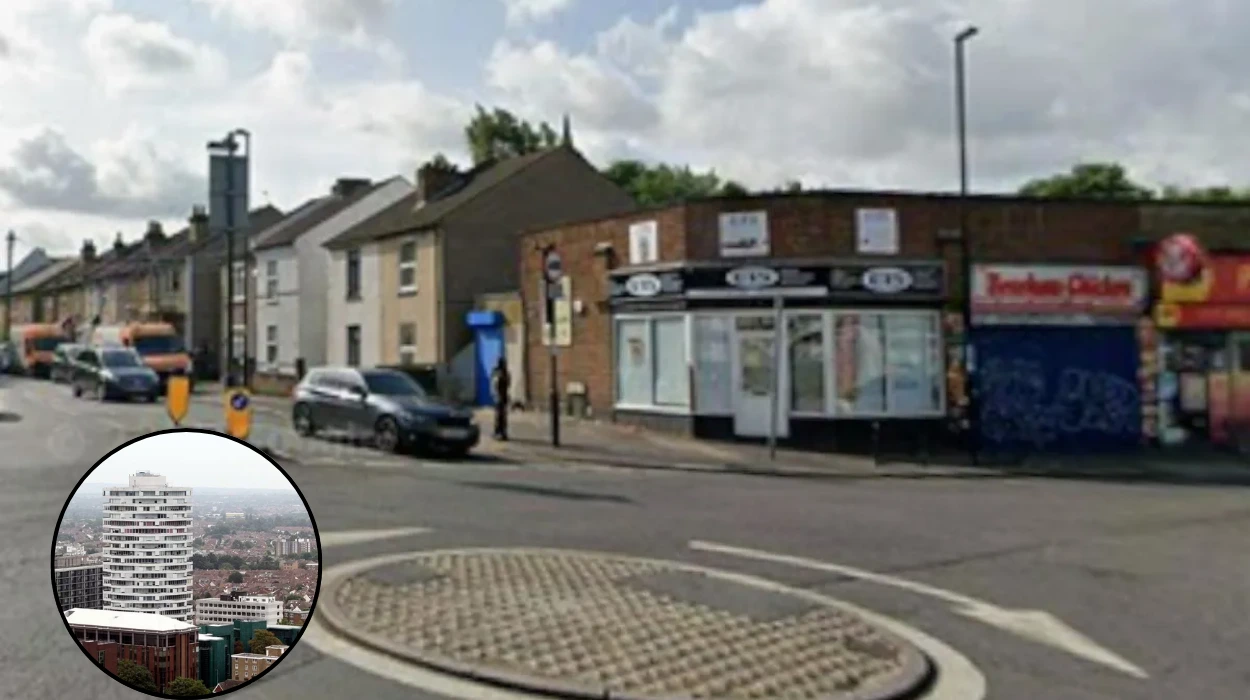
New official figures from the Ministry of Housing, Communities and Local Government have unveiled the stark contrasts in deprivation across neighbourhoods within Croydon. The data, released recently, ranks every neighbourhood in England by deprivation levels. According to this detailed analysis, University Hospital & Queen’s Road emerges as the most deprived area in Croydon, falling within the top 1 percent of the most deprived neighbourhoods nationwide.
- Key Points:
- What data reveals Croydon’s most deprived neighbourhoods?
- What are other highly deprived areas in Croydon?
- How does Croydon include least deprived areas as well?
- What factors determine these deprivation scores?
- What is the method behind the ranking?
- How important is this data for Croydon’s planning?
Among a total of 33,755 neighbourhoods evaluated across England, University Hospital & Queen’s Road is positioned as the 284th most deprived area nationally, reflecting significant challenges faced by its residents. This ranking places it in a very concerning position within the highest tier of deprivation, indicating notable issues related to socio-economic factors affecting local life.
What are other highly deprived areas in Croydon?
Additional areas in Croydon also fall into the most deprived group, demonstrating that deprivation is not confined to one locality. New Addington South, Thornton Heath Central, and New Addington North also feature amongst the borough’s most deprived neighbourhoods. This shows a broader pattern of social and economic challenges spread across several parts of Croydon, many factors contributing to their disadvantage.
How does Croydon include least deprived areas as well?
While these neighbourhoods experience significant deprivation, Croydon also contains areas ranked among the least deprived 10 percent nationally, highlighting the borough’s stark contrasts in living conditions. This juxtaposition underscores the diversity within Croydon where wealthier communities coexist alongside those facing acute deprivation.
What factors determine these deprivation scores?
The deprivation score for each neighbourhood is calculated based on a composite of key indicators including income, employment, education, crime rates, and barriers to housing and services. This multidimensional approach provides a comprehensive assessment of the socio-economic landscape, giving a nuanced understanding of the level of deprivation experienced by residents.
What is the method behind the ranking?
All 33,755 neighbourhoods in England are assessed and ranked on deprivation scores, and then divided into 10 groups called deciles. The first decile includes the 33,755 most deprived neighbourhoods, with each subsequent decile representing decreasing levels of deprivation. This method allows for clear categorisation from the highest to lowest deprivation levels across England.
How important is this data for Croydon’s planning?
Having access to these detailed deprivation figures is vital for policy makers, local authorities and community organisations. It enables targeted intervention and resources allocation to support those areas facing the greatest difficulties. This data-driven approach is essential to designing effective strategies to reduce inequalities and improve living standards in Croydon.
According to reporting based on the Ministry’s release, the findings starkly illustrate the socio-economic challenges that certain Croydon neighbourhoods face, while also revealing the borough’s internal disparities. Careful interpretation of this data will be crucial for the development of initiatives aimed at fostering community resilience and opportunities across Croydon.