Key Points
- Residents on a South London Croydon road express urgent concern over frequent crashes despite the 20mph speed limit.
- The community fears the ongoing collisions could soon result in a child being seriously injured or killed.
- London-wide research shows 20mph speed limits have reduced road casualties but many offences and accidents still occur on these roads.
- Data from Transport for London (TfL) and independent reports highlight that 62% of serious injuries and fatalities occur on 20mph roads.
- Calls for enhanced enforcement and targeted safety interventions, especially in areas with schools, have been made.
- Local authorities such as Croydon Council have implemented 20mph speed zones on residential roads but residents feel these measures are insufficient.
- Recent collision reports show that despite speed limits, dangerous driving and crashes remain high in South Croydon, requiring urgent action.
What Are the Main Concerns of Croydon Road Residents?
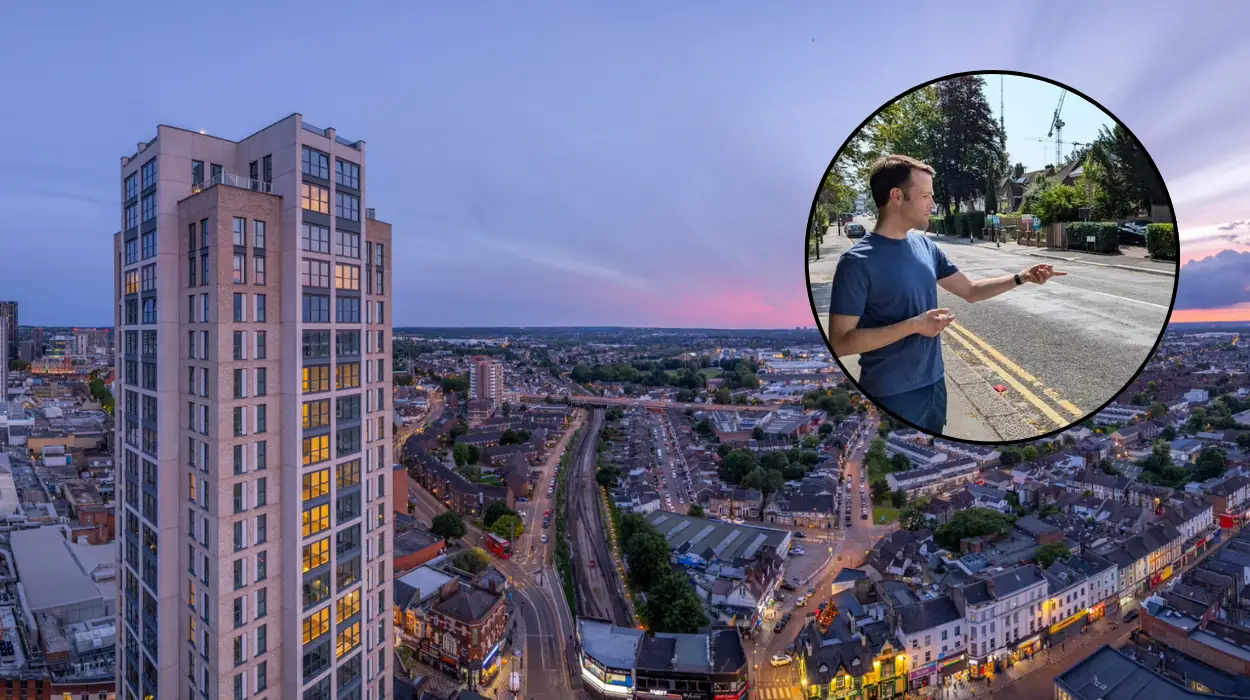
Residents of a road in the Croydon area of South London have voiced deep anxiety about traffic safety, fearing that ongoing road accidents will inevitably lead to a child being injured or killed. According to Inside Croydon, the road—restricted to a 20mph speed limit—is frequently the site of crashes. Locals describe the situation as hazardous, emphasising that children travelling to and from school are particularly at risk.
- Key Points
- What Are the Main Concerns of Croydon Road Residents?
- How Effective Are the 20mph Speed Limits in London?
- Why Do Residents Feel More Enforcement Is Necessary?
- What Is Being Done By Local Authorities?
- What Does Official Data Say About Collisions in South Croydon?
- How Are Experts and Officials Responding?
- What Are the Next Steps to Improve Safety on the Croydon Road?
The strong community concern is rooted in repeated incidents caused by speeding or careless driving, despite the existing speed limit. The fear is palpable among families and residents who have witnessed near misses or minor injuries, urging authorities to intensify safety measures.
How Effective Are the 20mph Speed Limits in London?
Transport for London’s latest research, as reported by TfL on 21 May 2025, confirms that 20mph speed limits have played a significant role in reducing casualties on London’s roads over the long term. The report shows a 34% decrease in those killed or seriously injured on borough roads after the introduction of the 20mph limit between 1989 and 2013. In particular, child fatalities dropped by 75%, underscoring the importance of these measures in protecting young pedestrians and cyclists.
However, while the limits themselves have proven beneficial, enforcement remains a key challenge. According to an Action Vision Zero briefing in September 2025, over half of all speed offences and a majority of serious injuries still occur on 20mph roads in London. In the first half of 2025 alone, 204,000 offences were recorded related to 20mph zones, suggesting ongoing non-compliance that undermines these safety efforts.
Why Do Residents Feel More Enforcement Is Necessary?
Croydon residents’ frustrations stem largely from a perception that enforcement of speed limits is inadequate despite the rules in place. The AVZ briefing highlights that while speed enforcement on 20mph roads has increased, it is still disproportionately low compared to the number of collisions and serious injuries occurring there.
Residents argue for more targeted interventions at accident hotspots, especially near schools, rather than generalized speed limits that are often ignored by motorists. This view is echoed by some analysts who caution against blanket regulations that can congest traffic without sufficiently curbing dangerous driving behaviours. Instead, focused policing and engineering solutions like speed cameras and road design changes are recommended to better protect vulnerable road users.
What Is Being Done By Local Authorities?
Croydon Council has implemented 20mph zones across many residential roads in its jurisdiction, in line with broader London strategy aiming to reduce speed-related accidents. As noted on the Croydon Council website, these measures are intended to make streets safer and encourage active travel like walking and cycling.
Nonetheless, residents in South Croydon feel these measures must go further. With traffic continuing to make the area dangerous, especially for school children, calls have intensified for additional protective measures such as improved road signage, physical traffic calming devices, and stricter speed limit enforcement.
What Does Official Data Say About Collisions in South Croydon?
Recent local news reports from Inside Croydon highlight several collisions on busy roads in South Croydon, some leading to road closures for hours and raising community concerns about safety and emergency response times. The persistence of such incidents despite the 20mph speed limit raises questions about driver behaviour and road conditions in these areas.
How Are Experts and Officials Responding?
Experts like Norman from TfL stress that slower speeds on London roads are crucial not only to protect lives but to create safer, more welcoming urban environments. He affirms that every fatality or serious injury is unacceptable and that ongoing efforts aim to eliminate deaths and injuries under the Vision Zero initiative.
Conversely, voices like McGoldrick warn that overly broad restrictions might lead to congestion and adverse impacts on local businesses, suggesting that targeted efforts instead of blanket schemes may be more effective in tackling high-risk locations.
What Are the Next Steps to Improve Safety on the Croydon Road?
The consensus across media reports and community voices indicates that while the 20mph limit is a substantial step forward, it must be paired with:
- Increased speed limit enforcement by police and speed cameras.
- Focus on high-risk zones near schools for targeted safety interventions.
- Enhanced road engineering to calm traffic and protect pedestrians.
- Continued public awareness campaigns to encourage safer driving.
Resident fears that without these measures, a serious or fatal accident involving a child on the Croydon road is only a matter of time underscore the urgency for action.