Key Points:
- The Fold, a 35-storey residential tower in Croydon, built in 2022, is to be fully evacuated by March 2026 for major repair works due to persistent mould, leaks, sewage problems, and fire safety issues.
- Residents have reported severe living problems including damp, collapsed ceilings, sewage backing up into bathrooms, and fire doors with gaps, making the building unsafe.
- Legal & General (L&G), the building’s owner, expressed deep concern and prioritised residents’ safety, offering compensation including rent payments and deposit refunds.
- The Fold’s rents reach up to £3,000 a month despite poor conditions, and residents have suffered health impacts like coughing and skin rashes attributed to mould exposure.
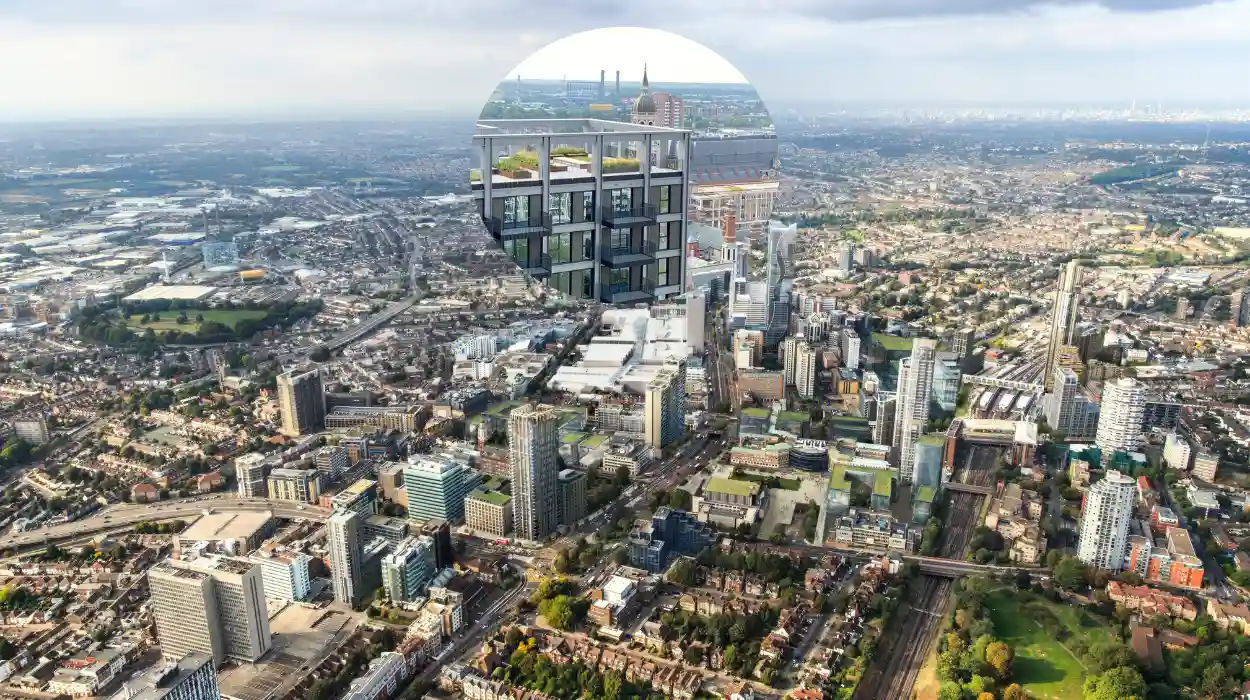
- The Fold is part of a four-block development on the former Taberner House site, with over 500 homes including council flats at Malcolm Wicks House which reportedly has fewer problems.
- Croydon Council granted planning permission for The Fold and adjoining blocks in 2018, a process criticised post-Grenfell for approving single-staircase towers with inadequate safety.
- Housing campaigner Kwajo Tweneboa and Labour MP Florence Eshalomi have raised concerns about the building quality of The Fold and the oversight failures of Croydon Council.
- Fire safety problems like faulty fire shutters and doors have been discovered requiring a full evacuation for remediation, expected to take around two years.
- Resident protests and meetings describe living in The Fold as a “hellhole,” with many calling for urgent action.
- The original developers went into administration, complicating repair responsibilities and legal remedies.
- Adjacent council blocks managed by L&Q are also undergoing safety checks in light of conditions found at The Fold.
What Are the Key Problems at The Fold in Croydon?
Residents of The Fold, a 35-storey building completed in 2022 on Queen’s Gardens, Croydon, are set to be evacuated by March 2026 for extensive remedial works following extensive issues with mould, damp, sewage leaks and fire safety failures. According to Steven Downes of Inside Croydon, these problems have forced building managers to conclude that the block must be emptied so necessary repairs can be done properly. Tenants describe issues like water leaking from the ceiling, sewage backing up into bathrooms, and mould covering walls despite paying rents as high as £3,000 monthly. Fire shutters and doors were found not to work correctly, presenting serious safety risks.
- Key Points:
- What Are the Key Problems at The Fold in Croydon?
- Who Owns The Fold and How Are They Responding?
- Are Other Buildings in the Development Affected?
- How Did Croydon Council Approve These Buildings?
- What Are Residents Saying About Their Experience?
- What Are the Broader Implications for Croydon Housing?
- What Are the Next Steps and Legal Questions?
Who Owns The Fold and How Are They Responding?
Legal & General (L&G), which purchased The Fold from the developers Hub in 2018 for £100 million, has expressed “deep concern” about the building’s defects and prioritised resident safety. L&G, along with property manager Urbanbubble, has organised meetings with residents and tenants’ union Acorn to address grievances and offer compensation, including rent refunds and full deposit return. Despite these efforts, ongoing sewage leaks and mould have persisted, with some investigations only identifying a cracked soil pipe causing leaks nearly two years after first occupation. The developers have since gone into administration complicating repair accountability.
Are Other Buildings in the Development Affected?
The Fold is one of four blocks built on the site of the former Taberner House, the Croydon Council office building. The adjacent social housing block, Malcolm Wicks House, containing 90 council flats and built by the same builders at the same time, reportedly faces fewer or no known problems. However, the housing association L&Q is conducting special safety checks on other council-managed blocks in the “Queens Quarter” development, recognising similar build quality issues may exist.
How Did Croydon Council Approve These Buildings?
Croydon Council planners granted planning permission for The Fold and the wider Queens Quarter scheme in January 2018, despite it having only a single staircase to service all 35 floors. This has raised questions regarding compliance with fire safety codes, especially in the wake of the Grenfell Tower disaster. Critics like housing campaigner Kwajo Tweneboa and Labour MP Florence Eshalomi have condemned the council’s approval and lack of enforcement of standards, highlighting the failure to prevent a “hellhole” situation only three years after construction completion.
What Are Residents Saying About Their Experience?
Residents voice serious distress over living conditions. One tenant described the former rooftop garden as an “open-air pond” contributing to damp issues. Health impacts from long-term mould exposure include coughing, skin rashes, and hospital visits. Residents recount ceilings collapsing without notification and sewage regularly contaminating bathrooms. One meeting attendee implored, “Let us be free from this hellhole!” The building’s reception area frequently floods, and scaffolding is permanently erected to catch water seeping through ceilings.
What Are the Broader Implications for Croydon Housing?
The Fold controversy reveals systemic issues in Croydon’s housing sector, with over 800 council homes reportedly suffering damp and mould issues. The problems exacerbate Croydon’s already strained social housing demand and spotlight fractured accountability between private landlords, developers, and local government. The case highlights dangers of rapid building approvals without rigorous quality control and the consequences for residents’ health and safety.
What Are the Next Steps and Legal Questions?
With the developers insolvent and The Fold needing to be vacated for up to two years while repairs are made, the future for tenants remains uncertain. Legal avenues may be complicated by the builders’ administration, and L&G has not commented publicly on legal action against original developers. The council faces pressure to improve planning oversight and enforcement to prevent recurrence in future developments.