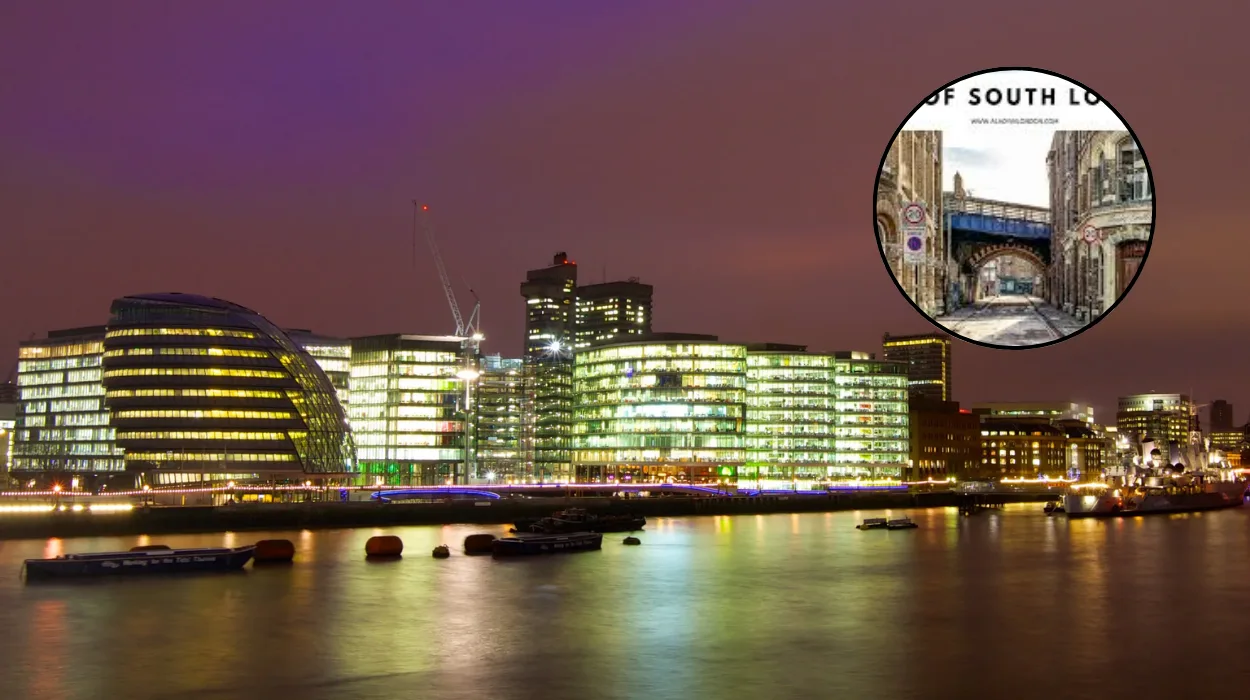
South London holds a distinct and storied place within the greater London metropolis, blending a rich historical legacy with modern vibrancy. This blog post explores what makes South London unique, tracing its origins, growth, cultural gems, and why it remains a captivating part of London today. Whether you are a resident, visitor, or simply curious, this evergreen guide shines a light on the city in South London.
South London Origins and Historical Significance
South London originally emerged from the area known as Southwark, historically significant as the “fort of the men of Surrey” (Suthriganaweorc). The story of South London begins around the Roman era with the establishment of Londinium on the northern bank of the Thames around AD 43. Southwark, on the southern side, became a key settlement populated by wealthy villas, inns for merchants, and fisherfolk, connecting Londinium to important trade routes through London Bridge.
Historically, South London developed relatively slower than the northern counterpart due to limited river crossings for many centuries. Southwark at the southern end of London Bridge marked the first permanent river crossing, which shaped early urban growth and commerce.
Over time, South London endured significant events including Viking raids, Norman invasions, and fires. It revived notably under Alfred the Great, who re-established London as a stronghold in the late 9th century. The region expanded with the formation of boroughs such as Wandsworth, Lambeth, Camberwell, and Southwark incorporated into the County of London by 1899, and further growth led to the incorporation into Greater London in 1965.
Geography and Urban Composition
South London encompasses a diverse collection of boroughs south of the Thames River, including but not limited to Lambeth, Southwark, Croydon, Greenwich, and Lewisham. This area is famed for its green open spaces such as Richmond Park and Wimbledon Common, as well as iconic landmarks like the Shard, Tower Bridge (partially southwards), and the historic Borough Market.
The area’s geography features a mix of urban, suburban, and natural environments, making it appealing to residents and visitors who enjoy cultural vibrancy paired with accessible greenery.
Cultural and Social Highlights
South London’s cultural landscape is vibrant. The borough of Southwark is home to the famous Globe Theatre, celebrating Shakespearean heritage, alongside dynamic modern art galleries and music venues. The diverse communities in South London contribute to a rich, multicultural atmosphere known for lively street markets, international cuisine, and festivals.
Educational institutions and innovation hubs add to the area’s appeal, with several universities and tech startups contributing to a forward-looking community.
Transport and Connectivity
South London benefits from comprehensive transport networks that improve connectivity with the rest of London and beyond. The extensive railway lines established in the mid-19th century accelerated growth and commuter access. Today, South London is served by the London Underground (with lines such as the Northern, Jubilee, and District lines), overground rail services, bus routes, and river transport, making it well-integrated.