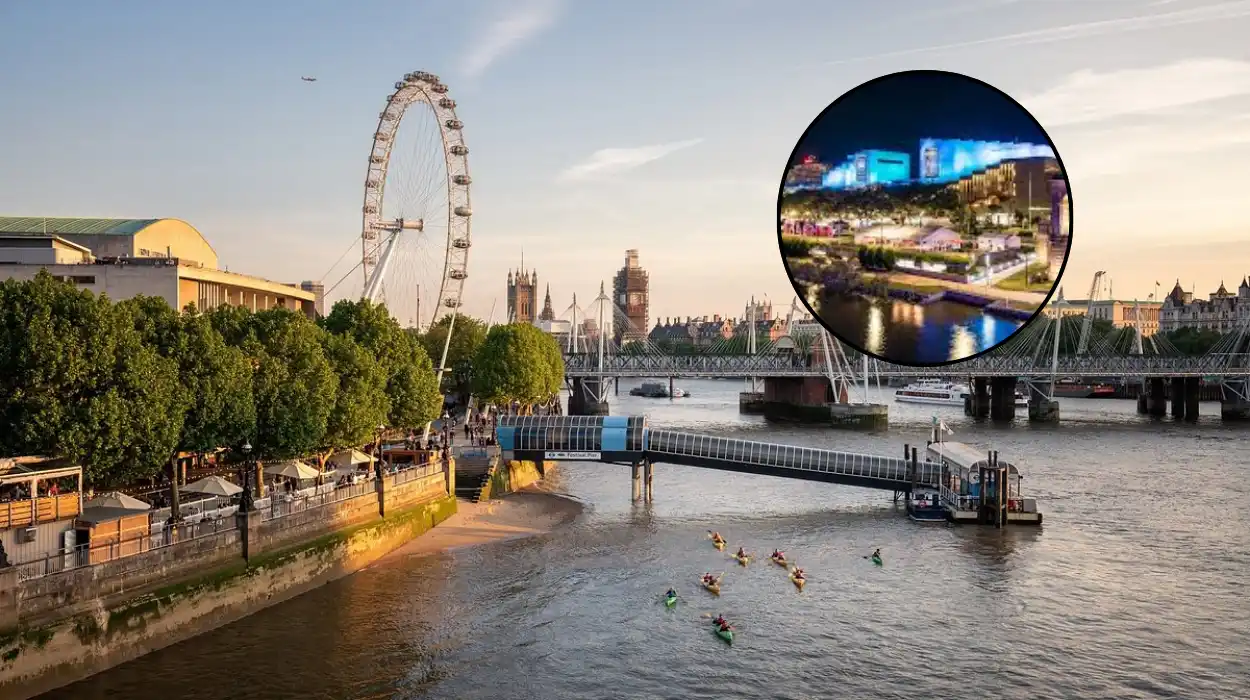
South Bank, a vibrant and culturally rich area of London, holds a fascinating history and lifestyle that make it a timeless attraction. Situated along the southern bank of the River Thames, South Bank is known for its artistic, architectural, and social significance, stretching from Shad Thames in the east to Battersea Power Station in the west. Over centuries, it evolved from marshland and industrial roots to a celebrated hub of entertainment and culture, best known today for its iconic landmarks, galleries, theaters, and public spaces.
Historical Evolution of South Bank
Originally marshland prone to flooding from the Thames, the South Bank area developed more slowly than its affluent northern counterpart. During the Middle Ages, it served as a center of entertainment outside the formal jurisdiction of the City of London on the north bank. The area became notable for theaters, bear-baiting, and other leisure activities, alongside less savory pursuits like prostitution. By the 18th century, more refined pleasures emerged with the establishment of pleasure gardens that attracted Londoners seeking leisure and social gatherings.
The 19th and early 20th centuries marked a shift toward industrial use. The South Bank was dominated by timber wharfs, breweries, tanneries, waterworks, and manufacturing facilities. Key transformations included the building of County Hall in 1917 near Lambeth, replacing the Lion Brewery and opening riverfront sections for public use.
The defining moment in South Bank’s modern identity came with the Festival of Britain in 1951. This national exhibition aimed to lift spirits in the post-World War II era by showcasing science, technology, and arts. The Festival rebranded the area, widely coining the term “South Bank,” and transformed it into a cultural and artistic district. Although most Festival structures were eventually dismantled, landmarks like the Royal Festival Hall and Jubilee Gardens remain integral to its legacy.
Cultural and Artistic Heart of London
Today, South Bank is synonymous with arts and entertainment. The area hosts the Southbank Centre, one of the world’s largest arts complexes, including the Royal Festival Hall, the Hayward Gallery, and the Queen Elizabeth Hall. The National Theatre, near Waterloo Bridge, offers a rich program of contemporary and classic performances, reinforcing South Bank’s reputation as a theater district.
Moreover, South Bank is home to the BFI Southbank, a prestigious cinema that screens international and independent films, and the Tate Modern art gallery, located in a converted power station along Bankside. These venues contribute to the area’s dynamic cultural scene, attracting millions of visitors annually.
Urban Regeneration and Public Spaces
Regeneration has played a significant role in South Bank’s ongoing evolution. Following the Festival of Britain, large-scale developments like the Shell Centre and modern housing helped reshape the landscape. More recent projects emphasize pedestrian-friendly spaces, with riverside promenades such as the Queen’s Walk providing scenic routes along the Thames.
Public spaces like Jubilee Gardens offer green areas for relaxation and events, while markets, cafes, and restaurants enliven the area, making it a favored spot for both locals and tourists. The integration of modern architecture with preserved heritage sites enhances South Bank’s appeal.
South Bank’s rich history, combined with its thriving cultural scene, ensures it remains a perennial favorite. Visitors and residents alike benefit from its vibrant arts ecosystem, historical landmarks, and community spaces, making it a must-visit London destination.
South Bank embodies the dynamic spirit of London, blending historical significance with modern cultural vibrancy. From its marshy origins to a post-war transformation under the Festival of Britain, and onto its current status as an arts and leisure hub, South Bank continues to inspire and attract people year-round.