Key Points
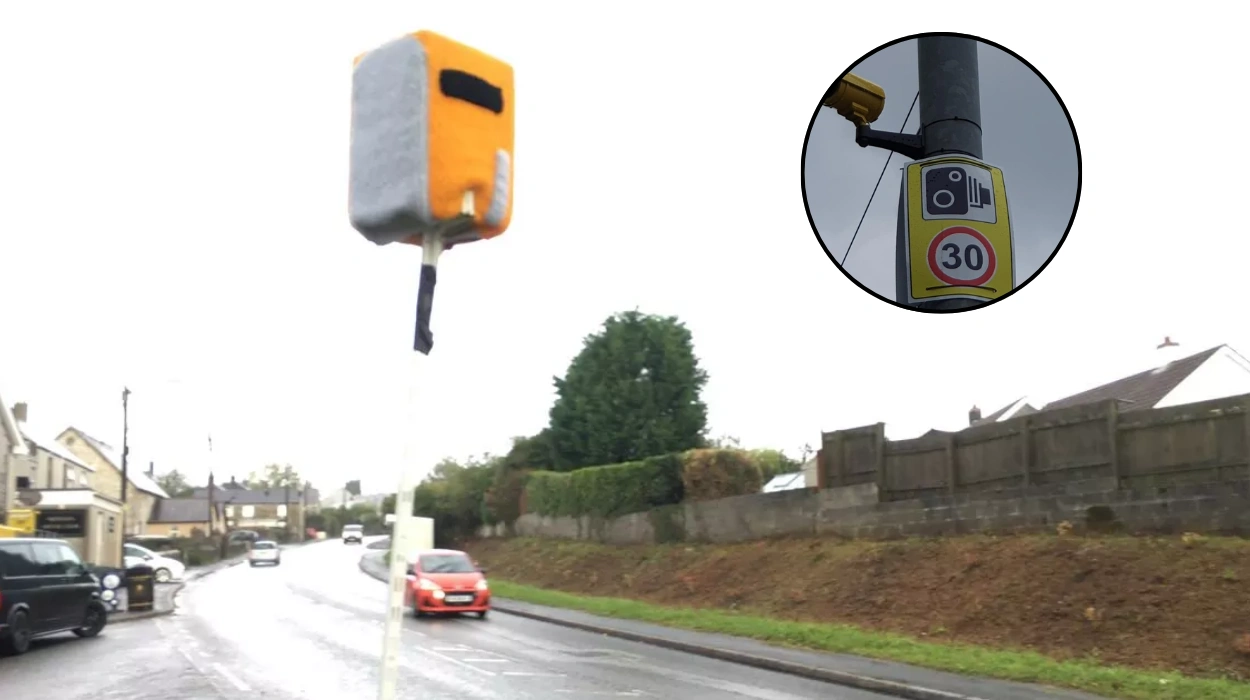
- A fake speed camera installed on Sandhurst Road in South London was removed shortly after being put up by an anonymous resident.
- Locals praised the device for successfully reducing traffic speed and easing safety concerns on the street.
- Community groups Safer Sandhurst & Sangley and Together for Verdant Lane hailed the creator as a community champion.
- Freedom of Information (FoI) data indicates over 17,000 incidents of speeding buses on Sandhurst Road since 2021, with some buses exceeding double the 20mph speed limit.
- TfL data shows 85 bus-related crashes over the last four years, including Sangley Road nearby.
- Residents report speeding as out of control, describing the road as dangerous for cyclists and families.
- Verdant Lane has experienced 74 reported crashes between 2019-2024—more than three times the surrounding area’s average.
- Lewisham Council warns that installing fake signs or cameras risks legal action if they cause accidents and discourages residents from doing so.
What happened with the fake speed camera in South London?
A fake speed camera mysteriously appeared on Sandhurst Road, South London, aiming to curb rampant speeding in the neighbourhood. According to coverage by Emily Blackburn of MyLondon, locals quickly noticed a drop in speeding vehicles during the brief time the device stood, attributing an improvement in road safety to the presence of the mock enforcement.
- Key Points
- What happened with the fake speed camera in South London?
- Why do residents feel the need for such drastic measures?
- How have the residents tried to address the problem?
- What is the official stance of Lewisham Council on the fake speed camera?
- What does this incident reveal about local traffic enforcement efforts?
One anonymous resident said,
“No idea who made it – but it was pretty convincing. And it really did slow traffic down. The difference was surprising.”
They lamented that after the camera’s removal, traffic speeds returned to their previous dangerous levels, with no effective action from the council to address the issue.
Safer Sandhurst & Sangley and the adjacent Together for Verdant Lane community groups praised the anonymous act as a creative, community-led effort to promote road safety where official measures had stalled.
Why do residents feel the need for such drastic measures?
Traffic safety on Sandhurst Road and Verdant Lane has long been a concern. As detailed by journalist Sarah Kane of MyLondon, FoI requests revealed troubling statistics: over 17,000 incidents of speeding buses since 2021, some travelling at speeds more than twice the posted 20mph limit. TfL data confirms 85 bus-related crashes in the area over the past four years, including collisions on neighbouring Sangley Road.
Resident Eddy Scoble, 40, shared his personal experience, telling Blackburn,
“The road was so much quieter, and drivers didn’t overtake me as fast as well. I didn’t realise it was fake.”
Another resident, William Bloomfield, 37, described the area around Verdant Lane as resembling a “Mad Max” scenario due to constant high-speed traffic. He said,
“You get cars blasting down at 60mph. It often makes Verdant Lane feel more like a scene from Mad Max than a residential road filled with families and young children.”
FOI data obtained by residents showed 74 crashes on Verdant Lane between 2019-2024, over three times higher than nearby roads.
How have the residents tried to address the problem?
William Bloomfield voiced frustration that despite residents’ persistent engagement with the council over a year, no effective measures have been taken to curb speeding. He remarked,
“We are just getting absolutely nowhere with the council. There isn’t the support that we need.”
Bloomfield also highlighted the damage caused by speeding vehicles:
“We have had entire houses destroyed by speeding cars. There have been dozens of our cars that had to be scrapped because they were damaged so badly.”
In this context, the fake camera represented a grassroots attempt to pressure drivers to reduce speeds in the absence of official interventions.
What is the official stance of Lewisham Council on the fake speed camera?
Lewisham Council responded to the incident with a firm warning, as reported by Blackburn for MyLondon:
“We strongly discourage people from putting up fake signs or cameras. Residents who do this run the risk of legal action if these lead to an accident.”
The council appears concerned about the legal ramifications and safety risks associated with unregulated devices, despite understanding the residents’ frustrations regarding traffic enforcement.
What does this incident reveal about local traffic enforcement efforts?
This episode underscores a growing impatience among South London residents due to perceived inaction by local authorities on road safety. The attempts to privately regulate traffic speeds reflect a community seeking urgent solutions amid high numbers of speeding incidents and vehicle crashes.
Local pressure groups like Safer Sandhurst & Sangley and Together for Verdant Lane have been vocal advocates for stricter enforcement, higher safety measures, and better infrastructure.
Without more robust and immediate enforcement of speed limits, frustrated residents may continue resorting to unconventional means, though such actions carry inherent risks and legal challenges.