Key Points
- Orlando Gili, a London-based photographer, has launched a new series documenting craftspeople along the Old Kent Road in south London.
- The series features Benjamin Bryde, an aluminium tray polisher at Kaymet, a manufacturer established in 1947, captured in a small polishing room amid aluminium dust.
- Benjamin Bryde describes his role: “I’m a metal polisher from south London, specialising in refining aluminium surrounds for trays. My work focuses on achieving a flawless finish, ensuring every piece is smooth, clean and free from dents. It’s all about precision, craftsmanship and bringing out the best in the metal.”
- The work environment involves worn overalls, heavy air, and machinery older than the workers, yet exudes calm and rhythm.
- Orlando Gili states: “This series celebrates London’s artisans and craftspeople – individuals who make their living through skill, precision and the art of working with their hands.”
- Gili further explains: “In a world that’s increasingly defined by screens and automation, this series turns its focus to the people and trades that remain grounded in the physical, material realm – the makers whose expertise and creativity sustain a vital part of the city’s identity. This project aims to highlight the beauty of craftsmanship, and the enduring value of manual labour in an age of digitisation.”
- Kaymet produces anodised aluminium trays, trolleys, and electric table hotplates, handcrafted in their Peckham factory at 52 Ossory Road, SE1 5AN, off Old Kent Road.
- Kaymet holds a Royal Warrant and has won a Queen’s Award for Enterprise in International Trade.
- Old Kent Road hosts a thriving cluster of nearly 1,000 businesses, including makers like Kaymet, providing jobs for over 9,500 people.
- The area faces threats from regeneration schemes proposing high-rise developments.
Old Kent Road (South London News) April 6, 2026 – A compelling new photography series by Orlando Gili shines a spotlight on the unsung craftspeople of south London’s Old Kent Road, capturing the essence of manual craftsmanship in an era dominated by automation. At the heart of the project is Benjamin Bryde, a dedicated aluminium tray polisher at Kaymet, whose skilled hands transform raw metal into flawless objects destined for the world’s finest interiors. This homage underscores London’s enduring manufacturing heritage amid growing urban pressures.
- Key Points
- Who is Orlando Gili and What Inspired His Series?
- Who is Benjamin Bryde and What Does He Do at Kaymet?
- What is the History and Significance of Kaymet?
- What Makes Old Kent Road a Hub for Craftspeople?
- How Does This Series Highlight London’s Manufacturing Identity?
- Why Does Craftsmanship Matter in Modern London?
Who is Orlando Gili and What Inspired His Series?
Orlando Gili, a London-based documentary and portrait photographer known for his intimate, of-the-moment style, has turned his lens to the artisans sustaining Old Kent Road’s industrial backbone. As reported in Positive News, Gili spent months documenting these makers, once synonymous with the cheapest tile on the Monopoly board.
Gili emphasises the human element in his work, using bold visual approaches with complementary hues and strong colour palettes. His previous projects, such as “Parting Shots” exploring Londoners’ hairstyles and identities, and coverage of markets during lockdown, demonstrate his fascination with personal expression and community.
What does Orlando Gili say about the series’ purpose?
Orlando Gili states:
“This series celebrates London’s artisans and craftspeople – individuals who make their living through skill, precision and the art of working with their hands.”
He adds:
“In a world that’s increasingly defined by screens and automation, this series turns its focus to the people and trades that remain grounded in the physical, material realm – the makers whose expertise and creativity sustain a vital part of the city’s identity. This project aims to highlight the beauty of craftsmanship, and the enduring value of manual labour in an age of digitisation.”
Who is Benjamin Bryde and What Does He Do at Kaymet?
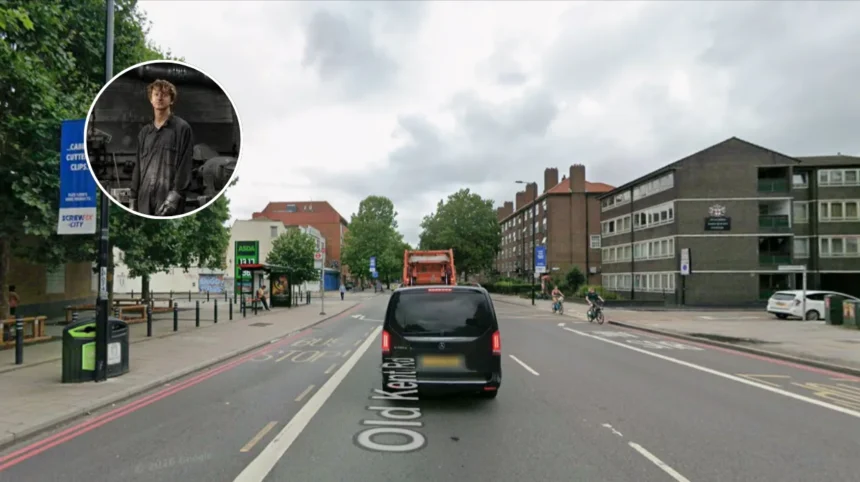
In a haze of aluminium dust in Kaymet’s small polishing room off Old Kent Road, Benjamin Bryde embodies quiet dedication. The young man’s worn overalls and interaction with century-old machinery convey a profound understanding of the space’s rhythm.
How does Benjamin Bryde describe his craft?
Benjamin Bryde describes his craft with a directness that mirrors the work itself:
“I’m a metal polisher from south London, specialising in refining aluminium surrounds for trays. My work focuses on achieving a flawless finish, ensuring every piece is smooth, clean and free from dents. It’s all about precision, craftsmanship and bringing out the best in the metal.”
His role, though repetitive, demands discipline and skill, making the concept of a handmade city tangible.
Kaymet, established in 1947 from a family-run radio shop at Elephant & Castle, has handcrafted anodised aluminium products in London ever since.
Relocating to Kennington Lane and later building a factory at Sylvan Grove, SE15, the company now operates from 52 Ossory Road in Peckham. Their wares grace royal households, luxury hotels, yachts, and global retailers in over 40 countries.
What is the History and Significance of Kaymet?
Kaymet’s legacy includes a Royal Warrant granted in April 2018 to Her Majesty The Queen, 70 years after first supplying the British royal family, and a Queen’s Award for Enterprise in International Trade in 2020. As noted on their official site,
“Our classic designs, evolved over the years, feel fresher today than ever. They have a simple beauty and they will not let you down.”
Why is Kaymet a cornerstone of Old Kent Road?
The firm offers tours alongside neighbours like The Bottle Factory, a restored Victorian warehouse at 12 Ossory Road housing creatives, London’s oldest gin-distilling family, and coffee roasters. Visitors note potential strong smells of roasting coffee and gin botanicals. Kaymet proprietor leads factory tours, selling seconds and firsts during events like Peckham Festival.
In 2019, as reported by Mark Brearley of Vital Old Kent Road (Vital OKR), Kaymet exemplifies the area’s success amid threats from regeneration turning industrial land into high-rises.
What Makes Old Kent Road a Hub for Craftspeople?
Old Kent Road boasts nearly 1,000 businesses employing over 9,500 people, including makers, menders, and artists. Vital OKR, formed in 2016 by architect-manufacturer Mark Brearley, advocates for these enterprises.
Which other makers define the area?
A 2018 Open House London newspaper by Cities and Vital OKR featured five manufacturers: Kaymet, London Stone Carving, Small Beer Brew Co, Studio Makecreate, and Weber Industries, with photos by Carmel King highlighting people, machines, and processes.
Historic firms like Edgington’s at 108 Old Kent Road, founded 1805, made flags for Horatio Nelson’s flagship, and the Gandolfis on Old Kent Road crafted world-class cameras from 1885. The Bottle Factory preserves 1895 bottling heritage for J. Mills & Sons.
These stories affirm London’s manufacturing vitality, as Gili’s series illustrates.
How Does This Series Highlight London’s Manufacturing Identity?
Gili’s project counters digitisation narratives by celebrating physical trades. Watching Bryde polish evokes a handmade city’s reality. Kaymet’s global reach – from London’s finest department stores to family homes – proves enduring demand.
What challenges do these makers face?
Regeneration schemes threaten industrial spaces, yet groups like Vital OKR fight for recognition. As Brearley noted in Novara Media, locals assert: “We are not nothing.” Gili’s work amplifies their voices.
Why Does Craftsmanship Matter in Modern London?
In an automated world, these artisans preserve identity through hands-on skill. Bryde’s precision and Kaymet’s timeless designs symbolise resilience. Gili’s series reminds us that London still makes things, and the people who make them matter profoundly.