Key Points
- Metropolitan Police launched an investigation on 19 June 2024 into the rape of a woman on Sewell Road, Abbey Wood, in south London.
- CCTV showed the suspect leading a vulnerable victim to a derelict area; the victim shortly contacted police to report she had been raped.
- DNA and CCTV work later linked the same suspect to a similar offence against another vulnerable woman near Thames Path, Thamesmead, in May 2020.
- Detectives are using familial DNA matched from both crime scenes and have compiled a list of men who share that DNA, supported by the National Crime Agency.
- Officers have travelled across the UK to obtain voluntary DNA samples from people who could be biologically related to the suspect.
- Police are recirculating a photo of a man they want to speak with in connection with the two rapes.
- Crimestoppers, an independent charity, is offering a reward of up to £10,000 for anonymous information that leads to the suspect’s conviction.
- Detective Chief Inspector Zoe Hendrick, who leads the investigation, said the man targeted two very vulnerable women in daylight in residential areas.
- DCI Hendrick stressed that investigations of this nature are “extremely rare” and that the priority has been to support the victims and identify the man responsible.
- Crimestoppers’ Greater London regional manager, Alexa Loukas, said contacting the charity is completely anonymous: no names, no statement, no court appearance.
- The victims have continued to be supported by specialist Met officers and partner agencies throughout the investigation.
Abbey Wood (South London News) July 2, 2026 – Detectives are conducting extensive, nationwide DNA enquiries to identify a man believed to have raped two vulnerable women in south London, as Crimestoppers offers a reward of up to £10,000 for information leading to his conviction.
- Key Points
- What exactly happened in the Abbey Wood and Thamesmead rapes?
- How are police using DNA to try to identify the suspect?
- Why are police recirculating a photo of a man?
- What has Detective Chief Inspector Zoe Hendrick said about the case?
- What role is Crimestoppers playing and how does the reward work?
- How are the victims being supported?
- What do these enquiries mean for the wider investigation?
- Background: How this investigation developed
- Prediction: How this development can affect south London residents and potential witnesses
What exactly happened in the Abbey Wood and Thamesmead rapes?
Over two years ago, on Wednesday, 19 June 2024, Met officers launched an investigation following the rape of a woman in Sewell Road, Abbey Wood.
The suspect is seen on CCTV to lead the vulnerable victim to a derelict area and a short time later, she contacted police to report she had been raped.
Further enquiries connected the suspect captured within the CCTV footage to a similar offence involving another vulnerable woman near the Thames Path in Thamesmead in May 2020.
In both cases, the victims were described as vulnerable, and both offences occurred in residential areas during daylight hours.
How are police using DNA to try to identify the suspect?
Momentum behind this complex investigation has remained ongoing, with detectives carrying out extensive enquiries using DNA matched from the scenes of both investigations.
A team of dedicated officers have been working through a list of men who share familial DNA to rule out or highlight potential suspects.
This familial DNA list was compiled by the National Crime Agency who have been supporting with this investigation.
Officers have travelled to locations across the country, to obtain voluntary evidential samples from members of the public who could potentially be biologically related to the suspect.
Why are police recirculating a photo of a man?
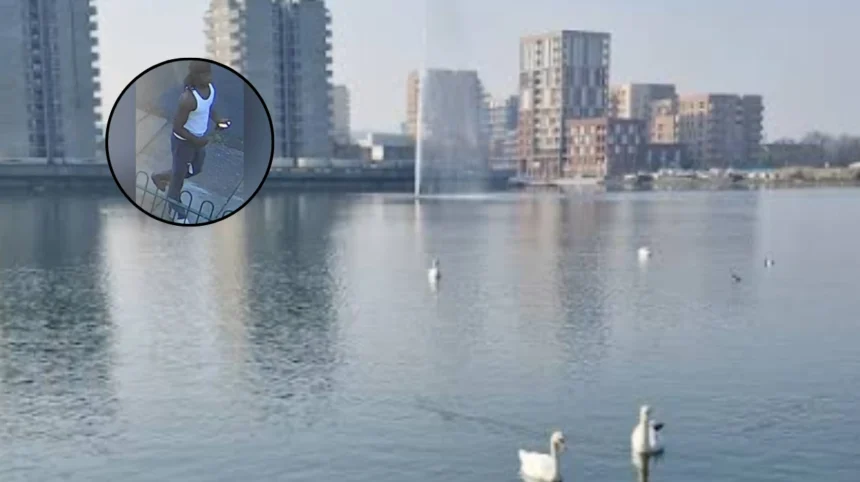
Investigating officers are also recirculating a photo of a man, who they would like to speak with in connection with the investigation. Detective Chief Insider Zoe Hendrick, who is leading the investigation, said:
“In addition to the DNA enquiries, we previously issued an image of a man who we would like to speak with in connection with these investigations. We are recirculating these images in the hope that someone may recognise him and assist with our enquiries”.
The recirculation of the image is intended to widen the pool of potential witnesses who may have seen the man in Abbey Wood, Thamesmead, or elsewhere.
Police have not publicly described the man’s appearance in detail in the provided text, but they are urging anyone who recognises him from the photo to contact them.
What has Detective Chief Inspector Zoe Hendrick said about the case?
Detective Chief Inspector Zoe Hendrick, who is leading the investigation said:
“This man has targeted two very vulnerable women, raping them in daylight hours in residential areas”.
She added:
“Investigations of this nature are extremely rare and our priority since the launch of the first investigation has been to support the victims and identify the man responsible”.
DCI Hendrick’s comments underline both the seriousness of the offences and the Met’s focus on victim support alongside the pursuit of the suspect.
What role is Crimestoppers playing and how does the reward work?
The independent charity Crimestoppers is also offering a reward of up to £10,000 for information passed to them anonymously which leads to the conviction of the man responsible. Alexa Loukas, Regional Manager for Greater London at the charity Crimestoppers, said:
“This is a deeply concerning case, and someone may hold information that could make a vital difference”.
She explained:
“Contacting Crimestoppers is completely anonymous: no names, no statement and no court appearance. We don’t want to know who you are, just what you know”.
Loukas urged anyone who recognises the man or knows anything about these incidents to tell the charity, saying it could help bring justice for the victims and prevent further harm against other women and girls.
How are the victims being supported?
The victims have continued to be supported by specialist Met officers and partner agencies. This support has been ongoing throughout the investigation, which now spans more than two years since the June 2024 rape in Abbey Wood and extends back to the May 2020 offence in Thamesmead.
Specialist officers typically provide emotional support, explain investigative progress, and help victims navigate any legal processes that may arise if the suspect is identified and charged. The Met has not disclosed further details about the victims’ personal circumstances in the provided text.
What do these enquiries mean for the wider investigation?
The use of familial DNA, the compilation of a list of potential relatives, and the travel of officers across the country to collect voluntary samples indicate a high level of resources and coordination.
The involvement of the National Crime Agency further suggests that the case has been treated as a serious, complex investigation requiring national-level support.
By combining DNA work, CCTV analysis, and the recirculation of a suspect image, police are pursuing multiple lines of enquiry simultaneously.
This multi-pronged approach is designed to increase the chances of identifying the man, even if he has not been directly caught on camera at both locations or has not yet come forward.
Background: How this investigation developed
The investigation began formally on 19 June 2024 after a woman reported she had been raped on Sewell Road, Abbey Wood. CCTV footage from the area showed a suspect leading the victim to a derelict location, where the rape occurred.
As detectives examined the DNA and CCTV evidence from that offence, they identified a link to a earlier incident: a rape of another vulnerable woman near the Thames Path in Thamesmead in May 2020.
That connection transformed what might have been seen as two separate cases into a single, linked investigation.
Since then, the Met has maintained continuous momentum, carrying out extensive DNA enquiries and working with the National Crime Agency to compile a familial DNA list.
Officers have travelled across the UK to collect voluntary samples from people who could be biologically related to the suspect, while also continuing to pursue the image-based enquiry by recirculating a photo of the man they want to speak with.
Explore More Abbey Wood News
Abbey Wood Tower Cuts Affordable Family Homes After Mayor Approval 2026
SL11 Superloop: Abbey Wood to Greenwich Launches Saturday
Prediction: How this development can affect south London residents and potential witnesses
This development can affect south London residents in several clear ways. First, the ongoing, high-profile nature of the investigation – with nationwide DNA enquiries and a public reward – may increase awareness of personal safety in areas such as Abbey Wood and Thamesmead, particularly in daylight hours and near derelict or less-frequented spaces.
Second, the offer of an anonymous reward and the emphasis on no names, no statement, and no court appearance from Crimestoppers may encourage people who have seen the suspect or heard relevant information to come forward without fear of being identified. This could lead to more community assistance, potentially speeding up the identification of the man.
Third, for potential witnesses and neighbours in the areas where the offences occurred, the recirculation of the suspect’s photo means there is now a specific visual cue to match against memories of individuals seen in the vicinity.
If someone recognises the man, they could provide details that help police narrow the list of familial DNA matches or directly identify the suspect.
Finally, for the two victims, this development underscores that the investigation remains active and that authorities are committed to identifying the man responsible, which may provide ongoing reassurance that their cases are still being pursued.