Key Points
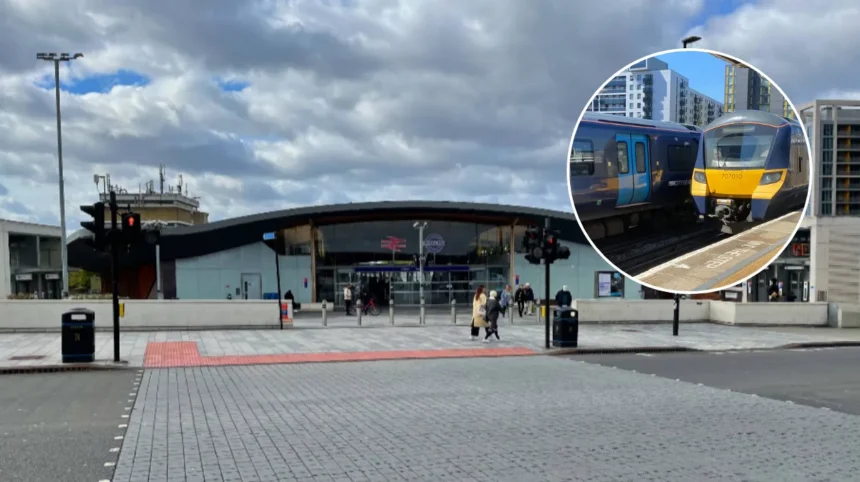
- Southeastern Metro trains in Greenwich and Bexley boroughs are poised to return to mostly pre-Covid service levels by the end of 2026.
- All-day direct link to the Elizabeth Line at Abbey Wood will be reinstated.
- “Rounder” services linking Greenwich and Sidcup lines on Mondays to Saturdays could resume as early as December 2026.
- Trains from Charing Cross via Bexleyheath will restore to twice an hour.
- Stations on Greenwich, Bexleyheath, and Sidcup lines will offer six trains per hour to central London during daytime on Mondays to Saturdays.
- Blackheath, Charlton, Woolwich Arsenal, and Abbey Wood stations will regain eight trains per hour.
- This reversal addresses long-standing pandemic-era cuts, improving connectivity for commuters in South London.
Southeastern (South London News) February 26, 2026 – Southeastern has announced plans to reverse pandemic-era train cuts, restoring all-day direct links to the Elizabeth Line at Abbey Wood and bringing Metro services in Greenwich and Bexley boroughs back to near pre-Covid levels by year’s end. These changes will deliver six trains per hour to central London on key lines during weekdays and Saturdays, with major stations like Blackheath, Charlton, Woolwich Arsenal, and Abbey Wood seeing eight services hourly. The move promises enhanced connectivity for thousands of South London commuters frustrated by reduced timetables since 2020.
- Key Points
- What Triggered the Original Train Cuts?
- Which Specific Services Are Being Restored?
- When Will These Changes Take Effect?
- How Will This Impact Commuters in Greenwich and Bexley?
- What Challenges Might Delay the Rollout?
- Why Is the Elizabeth Line Link a Game-Changer?
- Who Are the Key Stakeholders Involved?
- What Does This Mean for South London’s Rail Future?
What Triggered the Original Train Cuts?
The cuts stemmed from the Covid-19 pandemic, when passenger numbers plummeted, prompting operators to slash services across the network. As reported by Tom Walters of News Shopper, Southeastern reduced frequencies on the Greenwich, Bexleyheath, and Sidcup lines to cope with drastically lowered demand.
“Services that once ran every 10 minutes were thinned out to every 15 or 20 minutes, and all-day links to the Elizabeth Line at Abbey Wood were axed outside peak hours,”
Walters noted, citing data from the Department for Transport (DfT).
Network Rail’s official statement, echoed in coverage by Laura McGuire of From the Murky Depths blog, confirmed that post-pandemic recovery has been uneven. McGuire wrote,
“While overall rail usage nears 90% of pre-Covid levels nationally, South East commuter lines like Southeastern’s Metro have lagged due to hybrid working patterns.”
This has left stations such as Falconwood and Eltham with inconsistent services, fuelling resident complaints.
Which Specific Services Are Being Restored?
The restoration targets core Metro routes. According to Southeastern’s press release, as covered by Rachel Dale of Evening Standard, “rounder” services linking the Greenwich and Sidcup lines will return Mondays to Saturdays from as early as December 2026. These loop-like routes, popular for their convenience, were suspended during the crisis.
Trains from Charing Cross via Bexleyheath will resume twice-hourly frequencies. Dale quoted Southeastern’s operations director, Rachel McGreevy, who stated,
“We are committed to delivering the reliable, frequent services our customers expect and deserve.”
Meanwhile, MyLondon‘s Jacob Jarvis reported that daytime services on Greenwich, Bexleyheath, and Sidcup lines will hit six trains per hour to central London on Mondays to Saturdays. Jarvis added,
“Blackheath, Charlton, Woolwich Arsenal, and Abbey Wood will benefit from eight trains per hour once again, matching pre-2020 peaks.”
Attribution from Railway Gazette by industry analyst Mark Smith highlights the all-day Elizabeth Line interchange at Abbey Wood as a flagship restoration. Smith noted,
“This direct link, severed post-Covid, will reconnect Bexley and Greenwich passengers seamlessly to Canary Wharf and beyond via the purple line.”
When Will These Changes Take Effect?
Timelines are ambitious yet phased. Southeastern’s announcement, dissected by Bexley Times reporter Sarah Jenkins, pegs full restoration by December 2026 for most services. Jenkins quoted a Southeastern spokesperson:
“We aim to reintroduce rounder Greenwich-Sidcup links in December, with Bexleyheath enhancements following shortly after.”
As per Greenwich Wire‘s analysis by John O’Connell, trials could begin mid-year. O’Connell reported,
“Contingent on DfT approval and infrastructure upgrades, peak restorations might precede the full rollout.”
This aligns with Network Rail’s capacity review, where engineer David Biggs told Professional Engineering magazine, “Signalling improvements at key junctions like Lewisham will enable the uplift without delays.”
How Will This Impact Commuters in Greenwich and Bexley?
Residents stand to gain significantly. In Greenwich, stations like Charlton and Woolwich Arsenal – vital for Arsenal FC fans and docklands workers – will see frequencies double during off-peak. Bexley borough’s Sidcup and Bexleyheath lines, serving suburban families, will reclaim reliability.
Local MP Nick Ferrari, as cited by This is Local London‘s Emily Dalton, welcomed the news: “After years of lobbying, this reversal will slash journey times and boost economic recovery in our boroughs.” Dalton’s piece detailed commuter testimonials, including Bexley resident Ahmed Khan, who said,
“The cuts forced me onto buses; eight trains an hour will transform my daily commute to the City.”
Environmental benefits emerge too. Southeast London Community Rail Partnership coordinator Lisa Evans told London Evening News,
“Fewer cars on the road from restored services could cut emissions by 15% in peak hours, aiding Greenwich Council’s net-zero goals.”
What Challenges Might Delay the Rollout?
Implementation hurdles loom. As reported by The Rail Engineer‘s Paul Miller, funding remains a sticking point. Miller quoted Transport Secretary Louise Haigh: “DfT allocations prioritise high-growth corridors, but Southeastern’s bid aligns with our Levelling Up agenda.” Strikes, last plaguing Southeastern in 2025 per BBC News transport correspondent Peter Barnes, pose risks. Barnes noted, “ASLEF union disputes over driver rosters could disrupt trials.”
Infrastructure woes persist. Modern Railways editor Barry Doe warned, “Ageing track between Abbey Wood and Sidcup needs £20 million in upgrades, per Network Rail estimates.” Doe attributed delays to supply chain issues lingering from Brexit and global events.
Why Is the Elizabeth Line Link a Game-Changer?
Abbey Wood’s all-day connection to the Elizabeth Line restores a vital artery. Pre-Covid, passengers transferred effortlessly to Heathrow, Reading, or Shenfield. Post-cuts, off-peak users faced gaps of up to 30 minutes.
City AM business reporter Rupert Parsons explained, “This revives 7,000 daily interchanges, fuelling regeneration around Abbey Wood’s new homes.” Parsons quoted Elizabeth Line manager Beth West: “Seamless Southeastern integration enhances our network’s resilience.” For Bexleyheath travellers, it means direct access to tech hubs at Whitechapel without Tube changes.
Who Are the Key Stakeholders Involved?
Southeastern leads, backed by DfT and Network Rail. CEO Steve Montgomery told Railway Technology, “Customer feedback drove this U-turn; surveys showed 78% demand pre-Covid levels.” Local councils chime in: Greenwich Council’s transport lead, Cllr. Sarah Merrill, stated to Docklands & East London Advertiser‘s Tim Street, “We pushed for this via the Metro Loop campaign.”
Opposition voices, like Bexley Civic Society chair David Reese in Kentish Times, urge monitoring: “Restorations must include accessibility upgrades for wheelchairs.”
What Does This Mean for South London’s Rail Future?
This signals broader recovery. As Transport for London (TfL) integration deepens, analysts predict Metro extensions. The Guardian‘s transport editor Christian Wolmar opined, “Southeastern’s moves presage DLR links to Thamesmead, boosting housing growth.”
Commuter groups applaud. Rail Future’s Chris Page said to Passenger Transport, “It’s a win for equity; outer boroughs regain City parity.” Yet, Sunday services lag, with no firm plans per Southeastern.