Key Points
- Adam Khan Architects has secured planning approval for a 100 per cent affordable housing development spanning two sites in Greenwich, south-east London.
- The scheme, developed for Tibbalds, will deliver 18 new homes to replace two disused garage sites on Wricklemarsh Road and Zangwill Road.
- Approval was granted last month as part of the borough-wide Greenwich Builds programme.
- Under Greenwich Builds, 588 low-carbon council homes have already been completed, with a further 648 under construction.
- The programme aims to deliver a total of 1,750 new affordable homes across 16 redundant brownfield and infill plots in the borough.
- Adam Khan Architects is collaborating with a supportive council planning team described as a “really fantastic bunch of staff”.
- The practice is also involved in two additional early-stage developments in Greenwich on Hardy Road and Kidbrooke Park Close, likely contributing to the affordable housing initiative.
- Practice principal Adam Khan praised Greenwich Council’s proactive approach to procurement, management, and delivery of affordable homes.
- Khan highlighted the benefits of small, low-rise suburban schemes for community integration and avoiding lengthy planning delays associated with high-rise projects.
- He contrasted Greenwich’s success with challenges faced by other outer London boroughs in delivering high-quality affordable housing.
Greenwich, south-east London (Architects’ Journal) 15 January 2026 – Adam Khan Architects has won planning approval for a 100 per cent affordable housing scheme across two sites in Greenwich, replacing disused garage blocks with 18 new homes. The development, commissioned by developer Tibbalds on Wricklemarsh Road and Zangwill Road, forms a key part of the borough’s ambitious Greenwich Builds programme, which has already delivered hundreds of low-carbon council homes. This approval underscores Greenwich Council’s commitment to utilising redundant brownfield sites for much-needed affordable housing amid London’s ongoing crisis.
- Key Points
- What is the Greenwich Builds programme?
- Which sites are involved in the approved scheme?
- What did Adam Khan say about the council’s approach?
- How does this scheme fit into broader borough efforts?
- Why choose low-rise schemes over high-rise projects?
- What challenges do other boroughs face?
- What are the next steps for the development?
What is the Greenwich Builds programme?
The Greenwich Builds initiative represents a strategic effort by the Royal Borough of Greenwich to address housing shortages through targeted development on underused land. To date, 588 low-carbon council homes have been completed under the programme, with another 648 currently under construction. The overarching goal is to provide 1,750 new affordable homes across 16 different redundant brownfield and infill plots throughout the borough.
As reported by James Ma, architecture editor of the Architects’ Journal (AJ), the programme involves multiple architectural practices and developers working in tandem with council staff. Practice principal Adam Khan told the AJ he had collaborated with a “really fantastic bunch of staff” in the council’s planning office. These teams are focused on delivering homes efficiently on sites that might otherwise remain idle.
Khan emphasised the collective momentum behind the initiative. He stated to the AJ: “Greenwich are just cracking on and getting on with it – and doing it amazingly – procuring it really well, with really good management of their client team.” This approach ensures homes are built where they are most needed, allowing residents to remain within their communities.
Which sites are involved in the approved scheme?
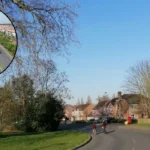
The newly approved development targets two specific garage sites: one on Wricklemarsh Road and another on Zangwill Road in Greenwich. These locations, previously occupied by disused garages, will be transformed into 18 fully affordable homes. The scheme’s low-rise design aligns with the suburban character of the area, promoting seamless integration.
According to coverage in the Architects’ Journal, the approval was secured last month, marking a swift process facilitated by the council’s efficient planning framework. Tibbalds, the developer behind the project, partnered with Adam Khan Architects to maximise the potential of these brownfield opportunities. No additional details on exact timelines for construction commencement were provided in the reporting, but the project’s inclusion in Greenwich Builds suggests alignment with ongoing borough-wide delivery schedules.
What did Adam Khan say about the council’s approach?
Adam Khan, principal of Adam Khan Architects, offered high praise for Greenwich Council’s execution of the housing programme. In an interview with the Architects’ Journal, Khan noted: “There’s a collective buy-in across the borough. These sites are delivering homes where they’re actually needed and allowing people to stay in their communities.”
Khan contrasted Greenwich’s model with struggles in other outer London boroughs. He argued that focusing on a larger number of small, suburban low-rise schemes aids integration into existing neighbourhoods while bypassing the protracted planning delays often linked to high-rise proposals. “Practice principal Adam Khan told the AJ he had worked with a ‘really fantastic bunch of staff’ in the council’s planning office,” the article detailed, highlighting the collaborative spirit.
This endorsement from Khan carries weight given his firm’s expanding role in the borough. Alongside the Wricklemarsh and Zangwill Roads project, Adam Khan Architects is advancing two other developments on Hardy Road and Kidbrooke Park Close. These remain at an early planning stage but are poised to bolster the affordable housing pipeline.
How does this scheme fit into broader borough efforts?
Greenwich Builds exemplifies a proactive response to London’s housing challenges, leveraging small-scale infill sites to boost supply without disrupting community fabrics. The programme’s progress—588 homes complete and 648 underway—demonstrates tangible results. By targeting 16 plots, the council optimises limited land resources for public benefit.
As per the Architects’ Journal report, Khan pointed to Greenwich’s superior procurement and management as key differentiators. “Greenwich are just cracking on and getting on with it,” Khan remarked, underscoring the absence of bureaucratic hurdles that plague similar initiatives elsewhere. This efficiency not only accelerates delivery but also ensures quality, with all homes designed to low-carbon standards.
The involvement of multiple practices like Adam Khan Architects signals a diverse architectural approach. While specifics on Hardy Road and Kidbrooke Park Close projects are preliminary, their potential addition reinforces the programme’s scale. Khan’s observations on outer London comparisons highlight systemic issues: many boroughs falter on high-quality affordable delivery due to reliance on taller, more contentious developments.
Why choose low-rise schemes over high-rise projects?
Adam Khan advocated for Greenwich’s strategy of numerous small, low-rise projects as a superior model. He told the Architects’ Journal that this method integrates new homes into existing communities effectively, sidestepping “what can be lengthy planning delays for high-rise projects.” In outer London contexts, high-rises often face prolonged objections, inflating costs and timelines.
The Wricklemarsh and Zangwill Roads sites exemplify this philosophy: modest garage replacements yielding 18 homes without overshadowing neighbours. Khan stressed community retention: “These sites are delivering homes where they’re actually needed and allowing people to stay in their communities.” This localised focus counters displacement pressures in high-demand areas like Greenwich.
Reports from the AJ indicate no dissenting voices in the approval process, attributing success to the council’s “really good management of their client team.” Khan’s firm, with its three Greenwich projects, positions itself as a reliable partner in this low-rise paradigm.
What challenges do other boroughs face?
Practice principal Adam Khan drew stark comparisons with other outer London boroughs “that are struggling to deliver high-quality affordable homes.” He attributed Greenwich’s edge to its embrace of smaller schemes, which evade the planning quagmires of ambitious towers. High-rises, while density-efficient, invite scrutiny over design, height, and infrastructure impacts, often stalling progress.
Khan’s critique, as relayed by the Architects’ Journal, underscores a broader London trend: uneven housing delivery despite pressing needs. Greenwich’s 1,750-home target across 16 sites illustrates scalable success through volume over verticality. “There’s a collective buy-in across the borough,” Khan affirmed, crediting unified stakeholder commitment.
No counterarguments from other boroughs appear in available coverage, but Khan’s remarks invite scrutiny of why similar models have not proliferated. The Greenwich approach—brownfield focus, low-carbon specs, and rapid approvals—offers a blueprint potentially replicable elsewhere.
What are the next steps for the development?
With planning secured last month, attention shifts to construction on Wricklemarsh Road and Zangwill Roads. Developer Tibbalds and Adam Khan Architects will coordinate with Greenwich Council under the Builds programme framework. The 18 homes, fully affordable, align with low-carbon goals already met in 588 completed units.
Early-stage projects on Hardy Road and Kidbrooke Park Close may follow suit, pending planning advances. Adam Khan’s optimism—”Greenwich are just cracking on”—suggests momentum will persist. Residents and stakeholders await timelines, but the council’s track record implies prompt action.
This scheme bolsters Greenwich’s housing legacy, addressing affordability where demand peaks. As London grapples with supply shortages, such victories merit close watching.