Key Points
- Morley’s on Well Hall Road in Eltham was given a food hygiene rating of one out of five following a local authority inspection.
- Environmental health inspectors discovered mouse droppings and flies throughout the restaurant premises.
- The branch had only one hand basin available for staff, which lacked soap at the time of the visit.
- Food handlers were observed merely rinsing chopping boards, knives, and utensils with water rather than thoroughly washing them, even after handling raw meat.
- The inspection highlighted serious failures in cross-contamination prevention, hand hygiene, and basic structural sanitation.
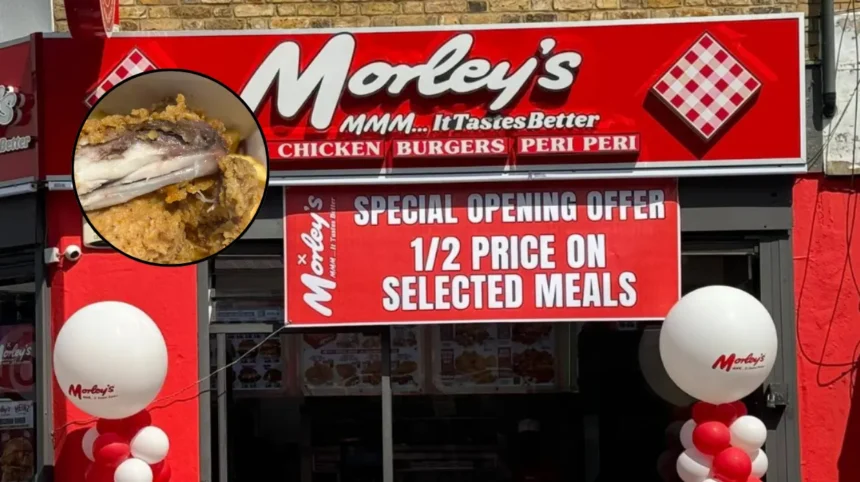
Eltham (South London News) September 14, 2026 – A popular South London fast-food outlet has been penalized by local health authorities after an official inspection revealed widespread pest infestations and severe breaches of basic food safety protocols. As reported by Harrison Galliven of MyLondon, the Morley’s franchise situated at 5 Tudor Parade on Well Hall Road in Eltham was officially awarded a food hygiene rating of one out of five, denoting that “major improvement is necessary”. Environmental health inspectors who visited the premises recorded mouse droppings scattered across multiple areas of the store, widespread fly activity, and inadequate handwashing facilities for staff. Furthermore, the inspection uncovered systemic failures in cross-contamination control, with workers routinely failing to sanitize equipment used for preparing raw meat.
- Key Points
- What Did Health Inspectors Discover Inside Morley’s in Eltham?
- How Were Food Handlers Managing Hand Hygiene and Cross-Contamination?
- Why Are Hygiene Ratings and Local Standards So Strictly Enforced?
- Background of Morley’s and Local Hygiene Oversight
- Prediction: How Will This Hygiene Rating Affect Stakeholders and the Local Community?
What Did Health Inspectors Discover Inside Morley’s in Eltham?
The detailed inspection report issued by environmental health officers highlighted widespread sanitation failures across the premises. As documented by Harrison Galliven of MyLondon, inspectors discovered the presence of mouse droppings throughout the restaurant, alongside flies in various food preparation and storage zones. The physical structure of the kitchen and storage spaces was criticized for failing to keep out pests, raising immediate concerns regarding contamination of food products, surfaces, and packaging material.
The findings painted a critical picture of daily operations inside the takeaway. Alongside the physical evidence of pests, the establishment failed to maintain fundamental structural cleanliness standards required under United Kingdom food safety legislation. The presence of vectors such as flies and rodents inside commercial kitchens poses severe public health risks, including the potential transmission of pathogens such as Salmonella, E. coli, and Campylobacter.
How Were Food Handlers Managing Hand Hygiene and Cross-Contamination?
Beyond the pest issues, inspectors raised major concerns regarding the basic hygiene practices of the kitchen staff on duty. As highlighted by Harrison Galliven of MyLondon, the premises contained only one dedicated handwashing basin, which was found completely devoid of soap at the time of the visit. This setup prevented employees from executing proper hand hygiene procedures before handling food products, after managing waste, or after coming into contact with raw ingredients.
Critical breaches were also identified in how kitchen equipment was maintained and sanitized during food preparation:
- Knives, chopping boards, and general kitchen utensils were routinely subjected to a simple water rinse instead of being properly washed and sanitized.
- This practice persisted even after equipment had been directly used to process raw meat.
- The lack of proper chemical sanitization or high-temperature washing created an immediate risk of cross-contamination between raw meat products and ready-to-eat foodstuffs.
The failure to properly clean raw meat equipment presents one of the highest direct risks in commercial catering, as harmful bacteria can easily be transferred to cooked chicken, chips, and other meals served to customers.
Why Are Hygiene Ratings and Local Standards So Strictly Enforced?
Food hygiene ratings are administered by local councils in partnership with the Food Standards Agency (FSA) to ensure that commercial catering premises comply with legal health and safety frameworks. The scoring system ranges from zero (urgent improvement necessary) to five (very good). A rating of one indicates systemic failures across several assessment criteria, including food handling practices, physical building maintenance, and food safety management procedures.
Local authority environmental health departments possess strict powers under the Food Safety Act 1990 and the Food Safety and Hygiene (England) Regulations 2013. When premises receive a low rating, local councils issue mandatory corrective measures. Establishments are required to undertake immediate remediation steps, which include deep cleaning, professional pest control treatment, structural repairs to seal entry points, and comprehensive staff retraining on cross-contamination protocols. Failure to address these breaches within specified timeframes can result in formal hygiene improvement notices, emergency prohibition orders closing the business, or court prosecution.
Background of Morley’s and Local Hygiene Oversight
Morley’s is a well-established fast-food chain originally founded in South London in 1985. Over the decades, the brand has expanded significantly across the capital and the wider South East, building a substantial customer base primarily known for its fried chicken, burgers, and chips. The majority of Morley’s branches operate under individual franchise agreements, meaning independent store operators are responsible for daily management, compliance, maintenance, and adherence to national statutory food hygiene standards.
The fast-food sector in South London remains subject to routine and unannounced food hygiene inspections conducted by local council officers. Councils publish these inspection scores on the official Food Standards Agency portal to provide public transparency and uphold consumer safety. While many corporate fast-food outlets operate under strict brand-wide compliance manuals, individual franchise locations are legally bound to uphold the local municipal standards of the borough in which they operate. The Eltham branch on Well Hall Road falls under the enforcement jurisdiction of the Royal Borough of Greenwich, whose environmental health team conducts regular risk-based inspections across all commercial eateries within its boundaries.
Prediction: How Will This Hygiene Rating Affect Stakeholders and the Local Community?
The publication of a one-star food hygiene rating for the Eltham Morley’s branch is expected to generate immediate repercussions across several key groups, ranging from local consumers to the broader Morley’s brand identity.
Impact on Local Consumers and Public Health
For local residents, students, and regular patrons of the Well Hall Road strip, the inspection findings represent an immediate public health risk. Customers who consumed food from the branch prior to the inspection face potential exposure to foodborne illnesses associated with pest contamination and unwashed raw meat utensils. In the short term, consumer trust in this specific branch is likely to decline dramatically, leading to a sharp drop in footfall as health-conscious patrons seek alternative dining options.
Financial and Regulatory Consequences for the Franchise Holder
The immediate financial impact on the franchise operator will be significant. Beyond the expected decline in daily sales revenue, the store owner must absorb substantial operational costs to address the council’s demands. These expenditures include hiring commercial pest control contractors, funding deep-cleaning services, repairing structural defects to pest-proof the building, and purchasing required hygiene supplies such as adequate soap dispensers and sanitization equipment. Furthermore, the council will schedule follow-up inspections, and failure to demonstrate comprehensive improvement could lead to temporary closure orders or legal prosecution.
Reputational Effect on the Broader Morley’s Brand
For the wider Morley’s brand, localized hygiene failures pose a persistent threat to corporate reputation. Because the chain relies on a recognizable brand name, adverse news regarding pest infestations and poor sanitation at one location can negatively colour public perception of other franchise branches across South London. This development may prompt the franchisor to initiate internal audits across all locations and enforce stricter contractual quality-assurance checks on franchise owners to protect the overall market standing of the business.